Looking for a Floor Sanding Company in Cockfosters?
Floor Sanding in Cockfosters — At a Glance
- Price range: £25–£45 per sqm
- Typical duration: 1–2 days for an average room
- Free site visit: Yes — book online or call 020 8830 9782
- Customer rating: 4.5/5 (590+ reviews)
- Experience: 22 years, established 2004
Westminster Bridge's riverside historic properties feature character timber from their original construction. These aren't ordinary residential floors—they're part of London's architectural heritage. Sanding is specialized work respecting listed status and building character. Each property requires bespoke planning.
FlooringFirst provides floor sanding and wood floor restoration in Cockfosters, EN4 for parquet, floorboards, solid wood and suitable engineered flooring. Depending on the condition of the floor, we can combine sanding with repairs, gap filling, staining and refinishing to restore both its appearance and condition. We provide free site visits in Cockfosters before preparing a written quotation. To arrange an inspection, call FlooringFirst on 020 8830 9782.
Cockfosters sits right at the northern end of the Piccadilly line, and much of the housing here was built through the 1920s and into the mid-1930s — solid semi-detached houses with original floorboards or parquet that have often survived surprisingly well under later carpet.
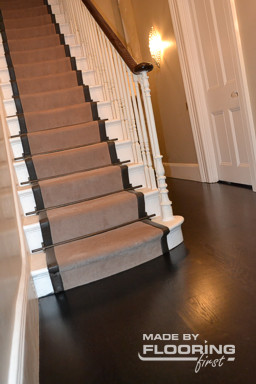
Parquet, Floorboards and Other Wood Floors
It depends on the floor's construction, condition, and whether it's been sanded before.
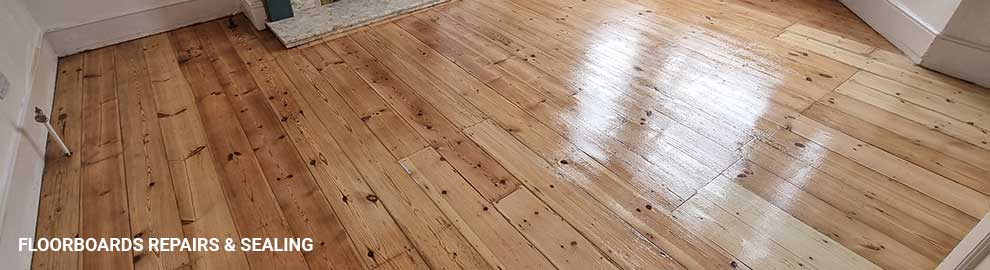
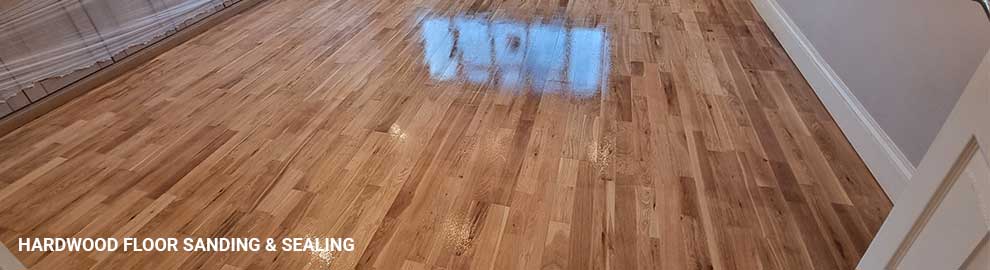
Solid Wood and Original Floorboards
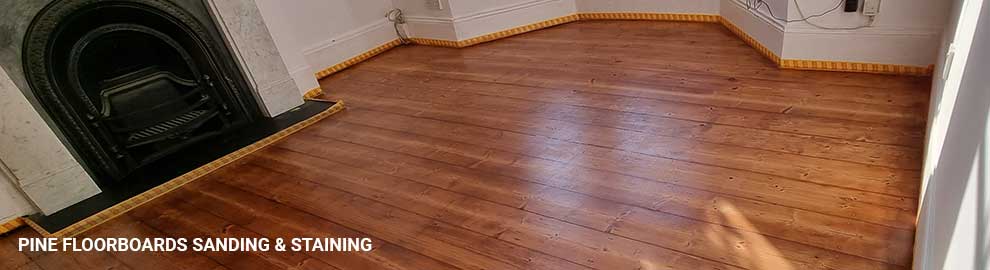
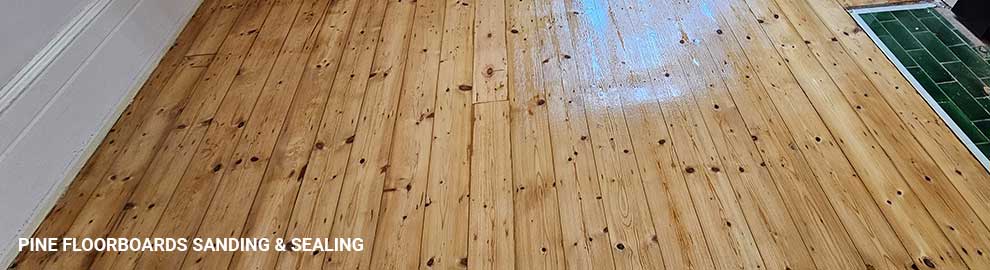
These usually offer good scope for restoration, since sanding removes the deteriorated coating and worn surface fairly reliably. Loose, split or heavily damaged boards need attention first, before the rest of the floor gets sanded as one job.
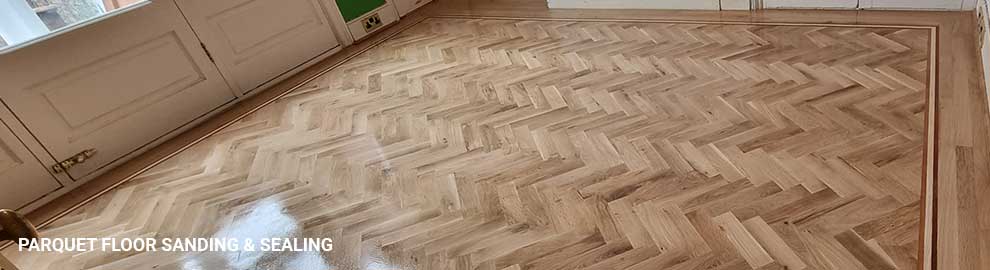
Parquet Flooring
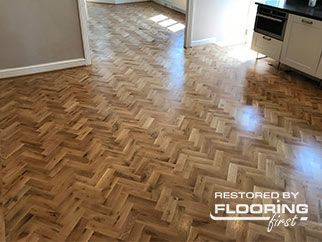
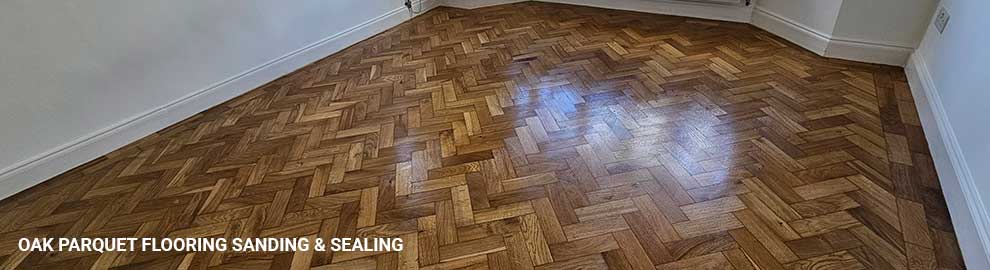
Parquet can be restored too, but the pattern means the sanding technique needs more care than straight floorboards. Loose blocks and damaged sections should be dealt with before the final sanding stages — from there, parquet floor sanding removes the worn finish and preps the surface.
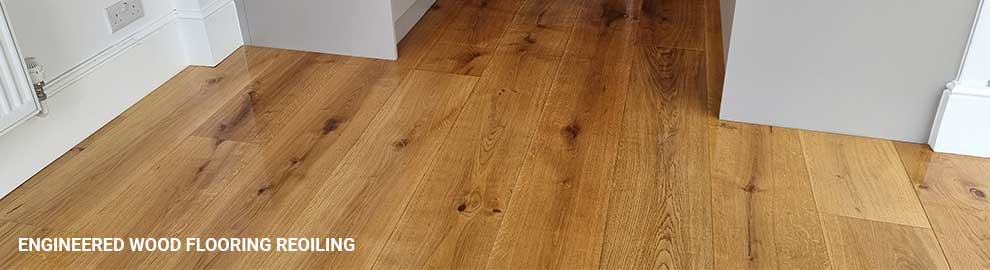
Engineered Wood Flooring
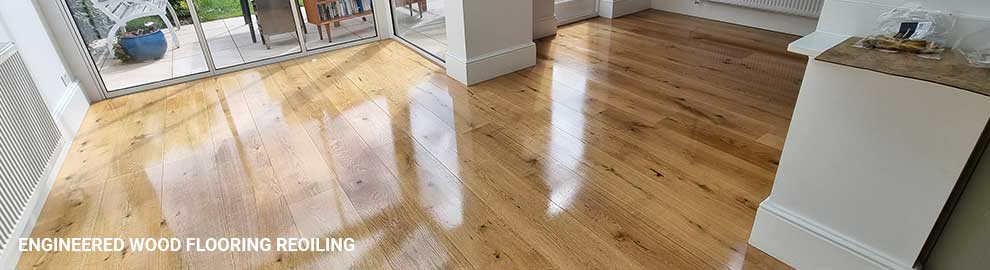
Here the deciding factor is how much real-wood wear layer is actually left. Some engineered floors can take another full sanding - others can't. Our engineered wood floor sanding and refinishing service checks this before recommending anything, since the point of the initial inspection isn't just confirming you've got a wood floor — it's establishing how much work can safely be done.
Repairing the Floor Before Sanding
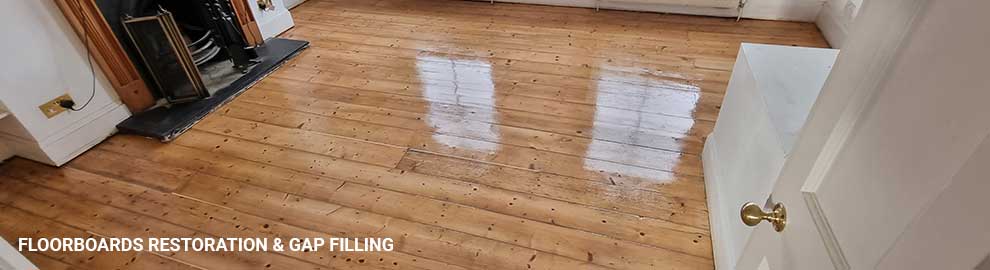
A damaged floor often needs more than sanding alone. Loose boards can need securing, badly damaged sections replacing, and parquet blocks refitting before the surface gets prepared. Scratches and surface marks usually disappear during sanding, but movement, broken timber and structural defects can't be fixed by sanding on its own — that's what our wood floor repair services are for. Where boards get replaced, the new timber is sanded together with the surrounding floor for an even surface, though some natural colour variation can remain until staining and finishing.
Floor Gap Filling
Gaps need assessing on their own merits — width, floor construction and how much movement is happening. For stable floors, smaller gaps can be filled using resin mixed with fine sanding dust; wider gaps may need timber strips instead. Loose boards should be stabilised first, since filling a gap without addressing movement underneath tends to see the filler fail later. Our gap filling service covers both approaches.
Sanding and Surface Preparation
Once necessary repairs are done, the old coating and damaged surface come off through a progressive sequence of sanding stages — coarser sanding first for the old coating and uneven wear, then finer stages to refine the timber ready for staining or sealing. Edges and areas the main machine can't reach are treated separately, and the whole surface is checked before finishing. We use dust-controlled sanding equipment to cut down on airborne dust, though no professional sanding process is genuinely dust-free, especially around edges and corners.
Staining and Choosing a Finish
Restoring a floor doesn't mean keeping its existing colour. Once the old finish is off, wood floor staining can change the tone of the bare timber before the protective coat goes on. Samples are worth doing on your actual sanded floor, since the finished colour depends on the wood's species, age and grain — a stain on a colour chart won't necessarily look the same on your boards. It's also worth considering where replacement timber's been used in repairs, though an exact match between old and new wood isn't always guaranteed.
For the finish itself, FlooringFirst works with Bona, Junckers, Osmo and Loba — lacquer, oil and hardwax oil. Lacquer gives a sealed surface with different sheen and durability options; oil and hardwax oil have a different look and maintenance routine. If your floor's already oiled and the timber's in reasonable shape, another complete sand isn't always necessary — cleaning, buffing and maintenance re-oiling can sometimes be the better fit.
Sanding or Recoating — Which Does Your Floor Need?
Removing timber unnecessarily rarely helps. A floor with a deeply scratched or failing coating, uneven surface or extensive damage usually needs full sanding. A recently finished floor with relatively light wear may instead suit professional cleaning, polishing or recoating. We can assess this during the site visit rather than defaulting to full sanding on every job.
Residential and Commercial Floor Restoration
Our sanding and restoration services cover both homes and commercial premises in Cockfosters. The basic preparation stays the same, but the finishing specification can differ — a floor with heavier foot traffic often needs a different protective system than a lightly used domestic room. Commercial jobs may also need extra planning around access, working hours, and how quickly the floor needs to be back in use. Our commercial floor sanding service covers these requirements alongside the timber's condition.
Why Cockfosters Homeowners Choose FlooringFirst
- Over two decades in the trade, sanding and restoring floors since 2004
- Genuine parquet specialists, not just standard floorboard work
- Dust-controlled sanding equipment that keeps disruption to a minimum
- Premium finishing products from Bona, Junckers, Osmo and Loba
- Fully insured throughout the job
- 10% off if we previously fitted or restored the floor ourselves
Arrange a Free Site Visit in Cockfosters
If your parquet, floorboards, solid wood or engineered flooring is scratched, worn or damaged, we can inspect it and work out whether it needs repairs and full sanding, or whether a lighter maintenance treatment would do. Book a free site visit in Cockfosters, EN4, or call FlooringFirst on 020 8830 9782.
What Our Clients from Cockfosters Say About Us
“
Excellent work.
”
Dr. G. Koukoutas, from Cockfosters, EN4 9LD
Floor Care Tips and Advice:
Find Our More on Sanding in Cockfosters
FAQ
Do you provide free floor sanding inspections in Cockfosters?
Yes. Free site visits are available in Cockfosters, EN4. We check the floor type and condition, whether repairs are needed, and whether full sanding is actually the right treatment.
My oiled floor has gone dull — does it need sanding again?
Not necessarily. If the timber's in good condition and it's mainly the oil finish that's worn, buffing and maintenance re-oiling may be enough. We assess this before recommending anything that removes more timber than necessary.
Can damaged floorboards be replaced before sanding?
Yes. Individual damaged boards can be repaired or replaced before the whole floor is sanded, with the replacement timber prepared alongside the original boards.
Can you change the colour of my floor during restoration?
Yes. Once the old coating is removed, stain can be applied before the new protective finish goes on. We test samples on the prepared timber first, since colour varies by wood type. Staining is optional — the floor can also be finished closer to its natural tone.
Can an engineered wood floor in Cockfosters be sanded?
Possibly — it comes down to the remaining real-wood wear layer and the floor's sanding history. We inspect this before recommending a full sand, since taking off too much timber risks exposing the core underneath.