Looking for a Floor Sanding Company in Lambourne End?
Floor Sanding in Lambourne End — At a Glance
- Price range: £25–£45 per sqm
- Typical duration: 1–2 days for an average room
- Free site visit: Yes — book online or call 020 8830 9782
- Customer rating: 4.5/5 (590+ reviews)
- Experience: 22 years, established 2004
Lambourne End's mix of period cottages, Victorian terraces and contemporary homes all share something in common: floors that tell the story of decades of family life. Whether you're living in one of the older properties with original parquet blocks or a more modern development with engineered hardwood, time and footsteps leave their mark.
The rural setting here means homes tend to experience particular challenges. Moisture from nearby green spaces and gardens can affect wood movement, while the area's age means many properties still have those beautiful but temperamental original floors that need careful attention. Dust from renovation work in this developing community also settles differently in older properties, especially those with period features.
Professional floor sanding isn't just about making your floors look fresh. For Lambourne End homes, it's about preserving what makes them special while protecting them for the future. Proper sanding removes years of built-up grime, opens up the wood grain, and prepares surfaces for finishes that genuinely withstand the local climate and your family's lifestyle.
If your floors have lost their lustre or you're inheriting tired boards in a period home, getting them professionally restored makes a real difference to both appearance and longevity.
FlooringFirst provides professional floor sanding and wood floor restoration in Lambourne End for parquet, floorboards, solid wood and suitable engineered flooring. We can combine sanding with repairs, gap filling, staining and refinishing, depending on what the existing floor needs. Before recommending the work, we assess the timber, its existing finish, previous sanding and any damage that should be repaired first. We provide free site visits in Lambourne End followed by a written quotation. Call FlooringFirst on 020 8830 9782 to arrange your visit.
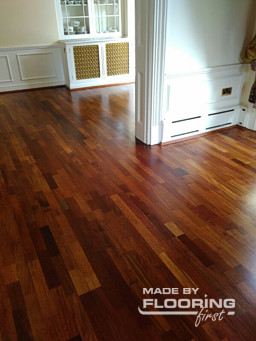
Restoring Different Types of Wooden Floor
The correct restoration depends on how the floor is constructed and its current condition.
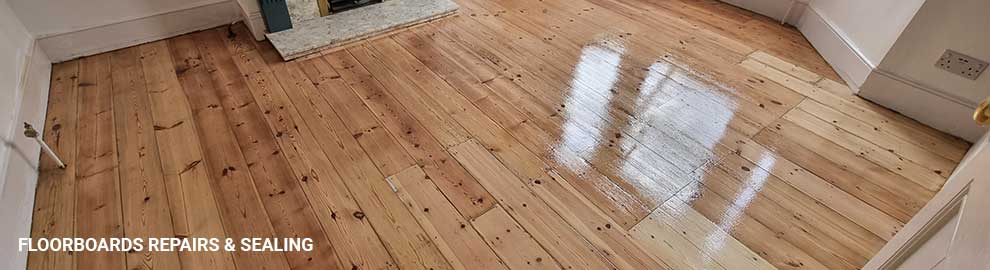
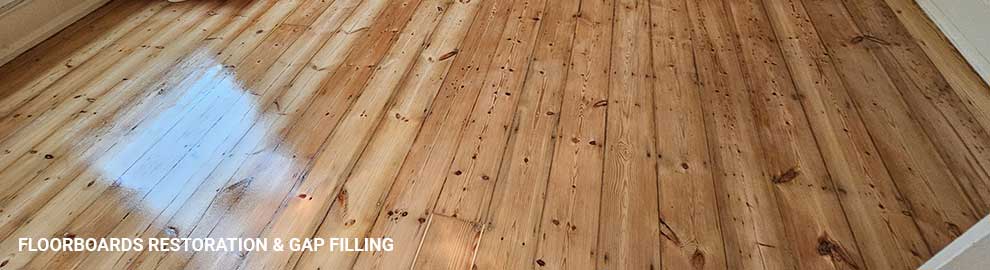
- Floorboards can often be sanded and refinished even when some individual boards need attention. Loose or badly damaged sections should be repaired first, with floorboard replacement available where individual boards cannot reasonably be retained.
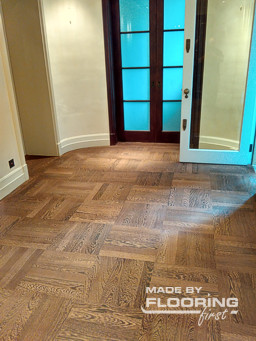
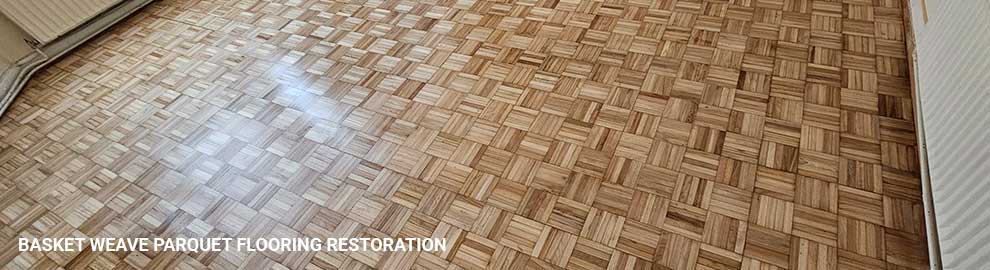
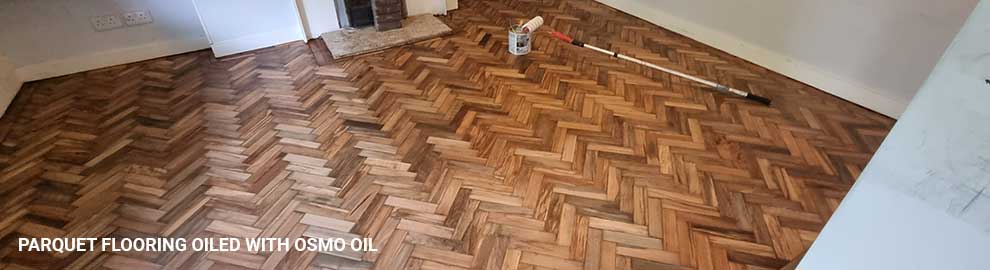
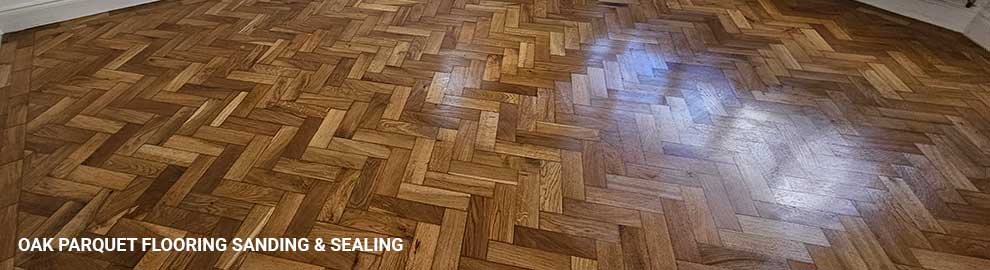
- Parquet flooring should be checked for loose or damaged blocks before sanding. Where repairs are necessary, our parquet floor repair service can be combined with parquet floor sanding and refinishing.
- Solid wood flooring generally provides good scope for restoration, although previous sanding and the remaining timber thickness still need to be considered.
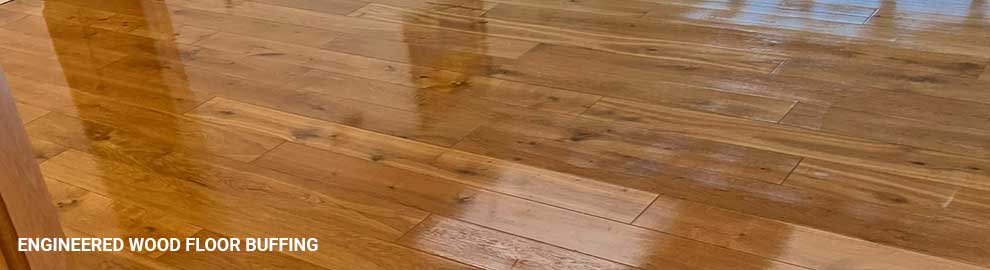
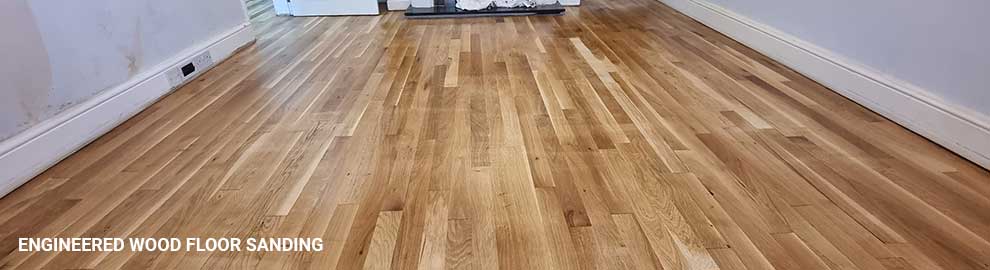
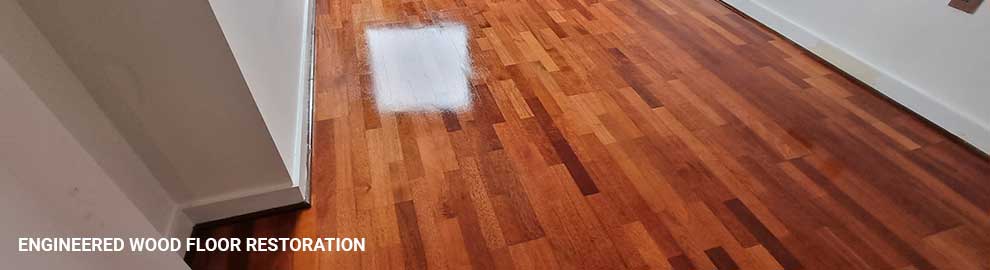
- With engineered wood flooring, the hardwood wear layer determines whether another full sand is possible. We assess this before recommending engineered wood floor sanding and refinishing.
Repairs & Gap Filling
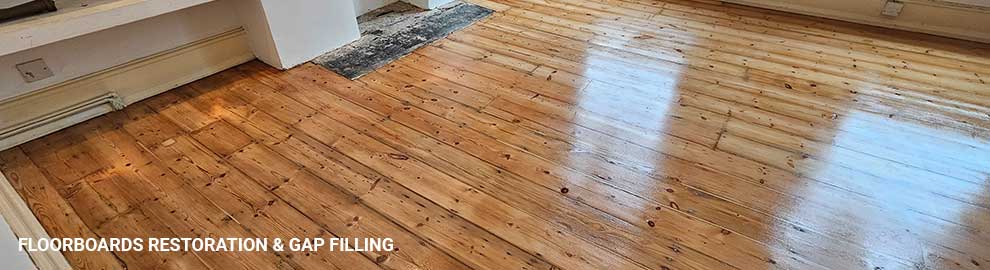
Sanding improves the surface of a wooden floor, but loose, damaged or unstable areas need separate attention. Individual floorboards or parquet blocks can often be repaired without replacing the complete floor. Completing these repairs first allows the repaired and existing timber to be prepared and refinished together. Gap filling may also be appropriate, particularly where visible gaps are affecting the appearance of the floor. The method depends on the floor and the width of the gaps. Suitable smaller gaps can be filled using resin and sanding dust, while wider gaps between floorboards may require timber strips or slivers. Our wood floor gap filling service takes account of floor construction and natural timber movement before a method is recommended.
Does Your Floor Need a Full Sand?
Not every dull or scratched floor needs to be completely sanded back to bare timber. Where the wood itself remains sound and the wear is mainly within the existing protective coating, floor buffing and refinishing may sometimes be sufficient. Depending on the existing finish, this can involve buffing and recoating or re-oiling. Choosing the least invasive suitable treatment is particularly important with engineered flooring because its hardwood surface is limited. During the site visit, we can assess whether the floor needs full sanding, lighter refinishing or repairs followed by refinishing.
Staining & Changing the Colour
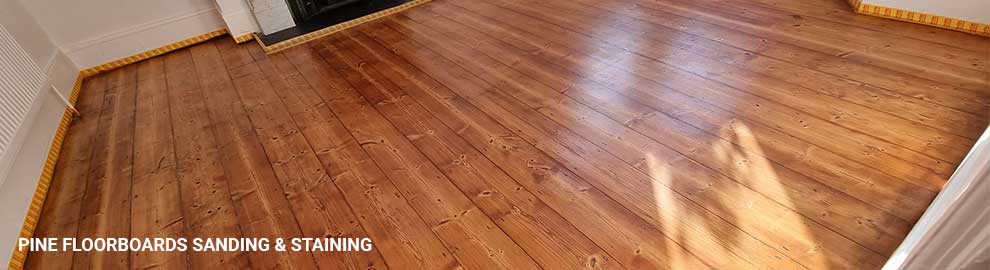
If you want to change the appearance of your wooden floor, wood floor staining can be incorporated after sanding. Once the old coating has been removed and the timber properly prepared, a stain can be applied before the protective finish. Where appropriate, colour samples can be prepared on the actual sanded timber. This is useful because the same stain can appear different depending on the wood species, grain and existing colour of the floor. Where repairs introduce new timber, wood floor colour matching can also help reduce the visual difference between repaired and existing sections.
Lacquer, Oil or Hardwax Oil?
The finishing system affects the appearance, protection and future maintenance of the restored floor. FlooringFirst works with professional systems from Bona, Junckers, Osmo and Loba, including lacquers, oils and hardwax oils. There isn't one finish that is automatically best for every property. The choice should take account of the timber, expected traffic, preferred appearance and how you want to maintain the floor afterwards. We'll discuss the suitable options after assessing the floor.
How Much Does Floor Sanding Cost in Lambourne End?
Our floor sanding price guide lists sanding, buffing and varnishing from £25 per m² and sanding, buffing and oiling from £25 per m². The final quotation depends on the floor itself and any additional work required, including repairs, gap filling, staining or stairs. A relatively sound floor requiring straightforward sanding and refinishing will involve different preparation from one with damaged boards, loose parquet or extensive gaps. We provide a free site visit and written quotation before work begins. Call 020 8830 9782 to arrange an assessment in Lambourne End.
Residential & Commercial Floor Sanding
We provide floor sanding and restoration for homes and commercial properties in Lambourne End. Residential work can range from individual rooms to larger restoration projects involving several floor types, repairs or stairs. For commercial premises, the work may also need to take account of access, foot traffic, scheduling and the time available before the floor returns to use. Our commercial floor sanding service covers shops, offices, restaurants, pubs and other business premises.
Get a Floor Sanding Quote in Lambourne End
If your parquet, floorboards, solid wood or engineered flooring is worn, scratched or damaged, we'll assess what can be retained and recommend the appropriate restoration. Arrange a free site visit in Lambourne End — call FlooringFirst on 020 8830 9782.
Floor Care Tips and Advice:
Find Our More on Sanding in Lambourne End
Questions About Floor Sanding in Lambourne End
Can an old wooden floor be restored instead of replaced?
Often, yes. Scratches, worn finish and localised damage don't automatically mean the complete floor needs replacing. We first assess whether the floor is stable and whether damaged areas can be repaired. Where most of the existing timber remains serviceable, restoration can allow much of the original floor to be retained.
Can damaged floorboards be repaired before sanding?
Yes. Individual damaged or loose boards can often be repaired or replaced before the main sanding stages. The complete surface can then be prepared and refinished together.
Can loose parquet flooring be restored?
In many cases, yes. Loose parquet should normally be repaired before sanding. Once the affected blocks have been secured or replaced and the floor is stable, the parquet can be sanded and refinished.
Can engineered wood flooring be sanded?
Some engineered floors can be sanded, but the remaining hardwood wear layer must be checked first. The depth of the damage and any previous sanding also need to be considered. If there isn't enough usable hardwood for another full sand, a lighter refinishing treatment may sometimes be more appropriate.
Should all gaps between floorboards be filled?
No. Gap filling should be assessed according to the floor. The width of the gaps, construction of the floor and expected timber movement all matter. Different gaps can require different filling methods, and some movement-related gaps may not be suitable for permanent filling.
Can sanding remove dark stains and deep scratches?
Many scratches and surface marks can be removed or substantially reduced through sanding. Deep staining or damage is different. Removing too much timber simply to eliminate one deep mark may cause more harm than leaving some evidence of the damage, particularly on an engineered floor or one that has already been sanded several times.
How long will the floor be out of use?
This depends on the size and condition of the floor, any repairs or staining required and the finishing system selected. The sanding itself is only one part of the process. Drying and curing requirements after the final coat also need to be considered before furniture is replaced or the floor returns to normal use. We'll explain the expected programme when preparing your quotation.
Do you provide free floor inspections in Lambourne End?
Yes. FlooringFirst provides free site visits in Lambourne End before preparing a written quotation. We can assess the floor, identify repairs and advise whether full sanding or a lighter restoration is appropriate. Call 020 8830 9782 to arrange your visit.