Floor Sanding & Fitting
Book Free Visit Price Guide 020 88309782
Monday - Friday 07:30 - 17:30, Saturday 07:30 - 16:00
cs@flooringfirst.co.uk
020 88309782
Monday - Friday 07:30 - 17:30, Saturday 07:30 - 16:00
cs@flooringfirst.co.uk
  • Book Free Visit
  • Home
  • Floor Sanding
  • Floor Fitting
  • Floor Repairs
  • Aftercare
    • Wooden Floors
    • Cleaning & Polishing
    • Re-Oiling Wooden Floors
    • Vinyls & Linoleum
    • Vinyl Floor Polishing
    • Get a Quote...
  • For Businesses
  • Gallery
  • Service Guide
  • Shop
  • Book Free Visit

Our Wood Flooring Resource

Find Your Way Around...

Floor Sanding Case Studies

See how FlooringFirst solved flooring challenges

WHY CHOOSE US
CASE STUDIES
PRICE GUIDE
OFFERS
GALLERY
ASK EXPERT
WHY CHOOSE US
CASE STUDIES
PRICE GUIDE
OFFERS
GALLERY
ASK EXPERT
  • Home
  • Case Studies
Mosaic Oak Parquet Flooring Installation in West Ealing — Full Case Study

Project Overview This project in West Ealing involved the supply, fitting, sanding, and lacquering of modern mosaic oak parquet flooring in a ground-floor reception room. The client wanted the classic look of a traditional herringbone parquet floor but had a budget that made individual block laying impractical. Mosaic oak finger panels offered the perfect answer. These panels come with a pre-a...

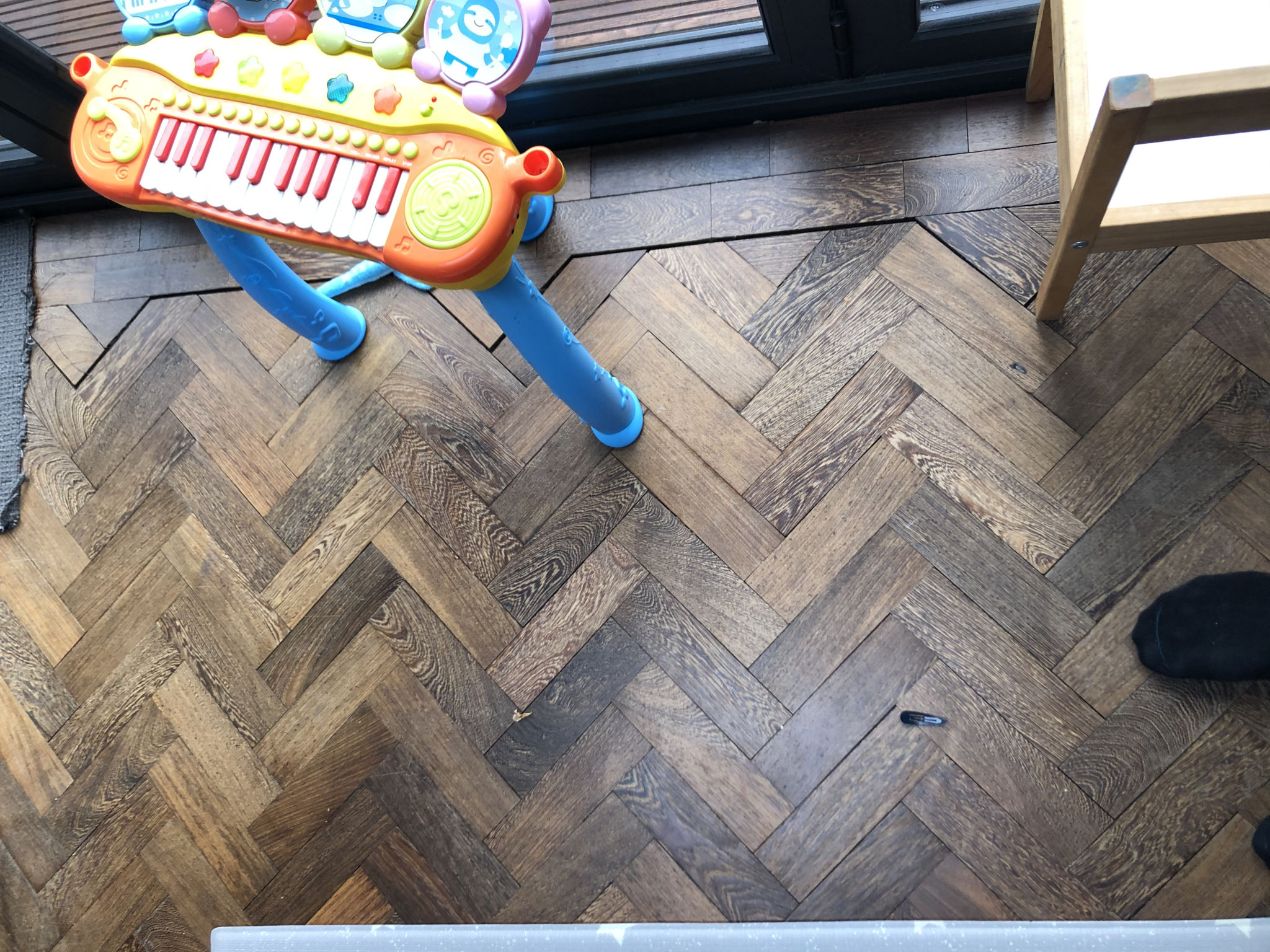
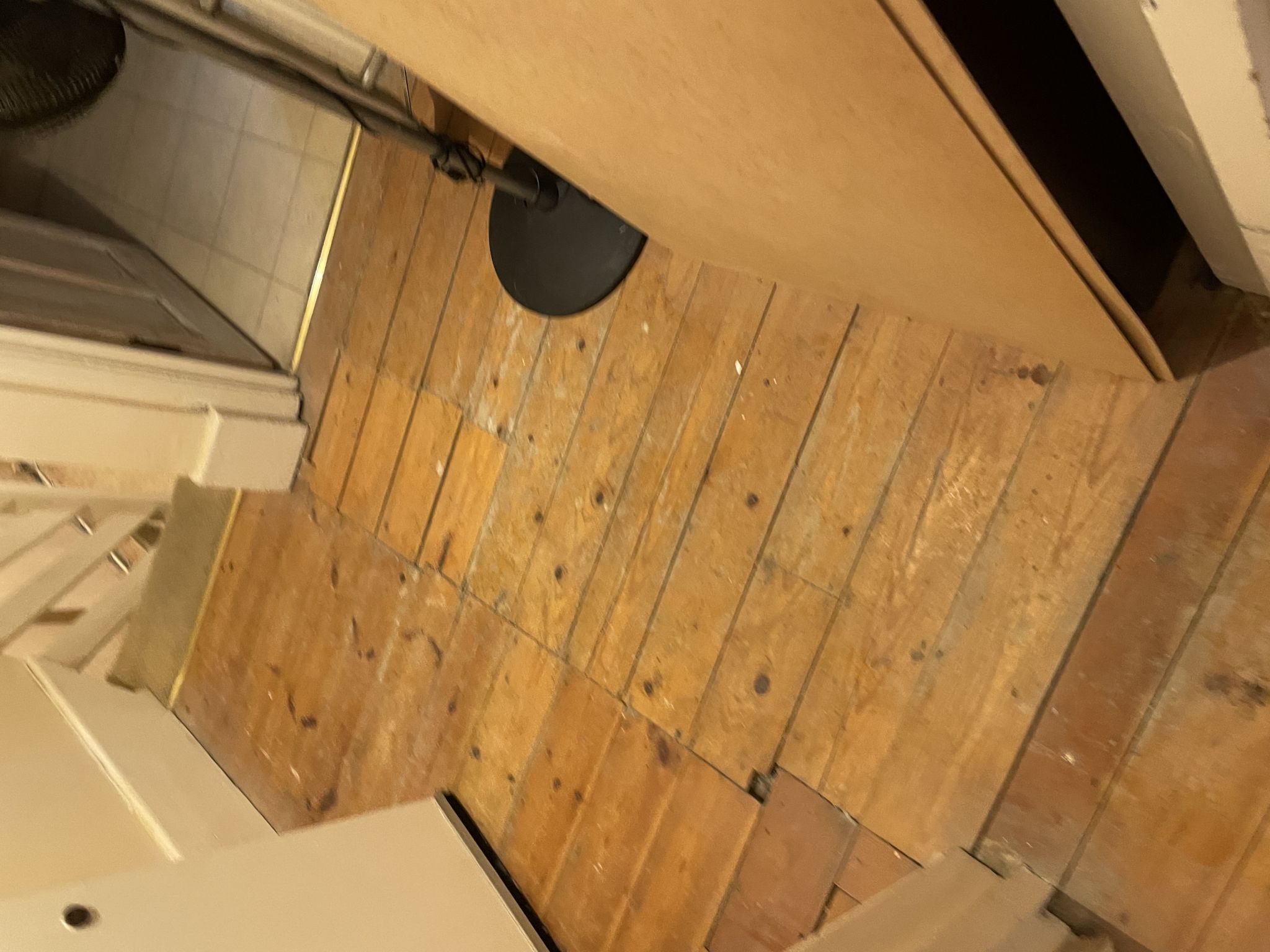
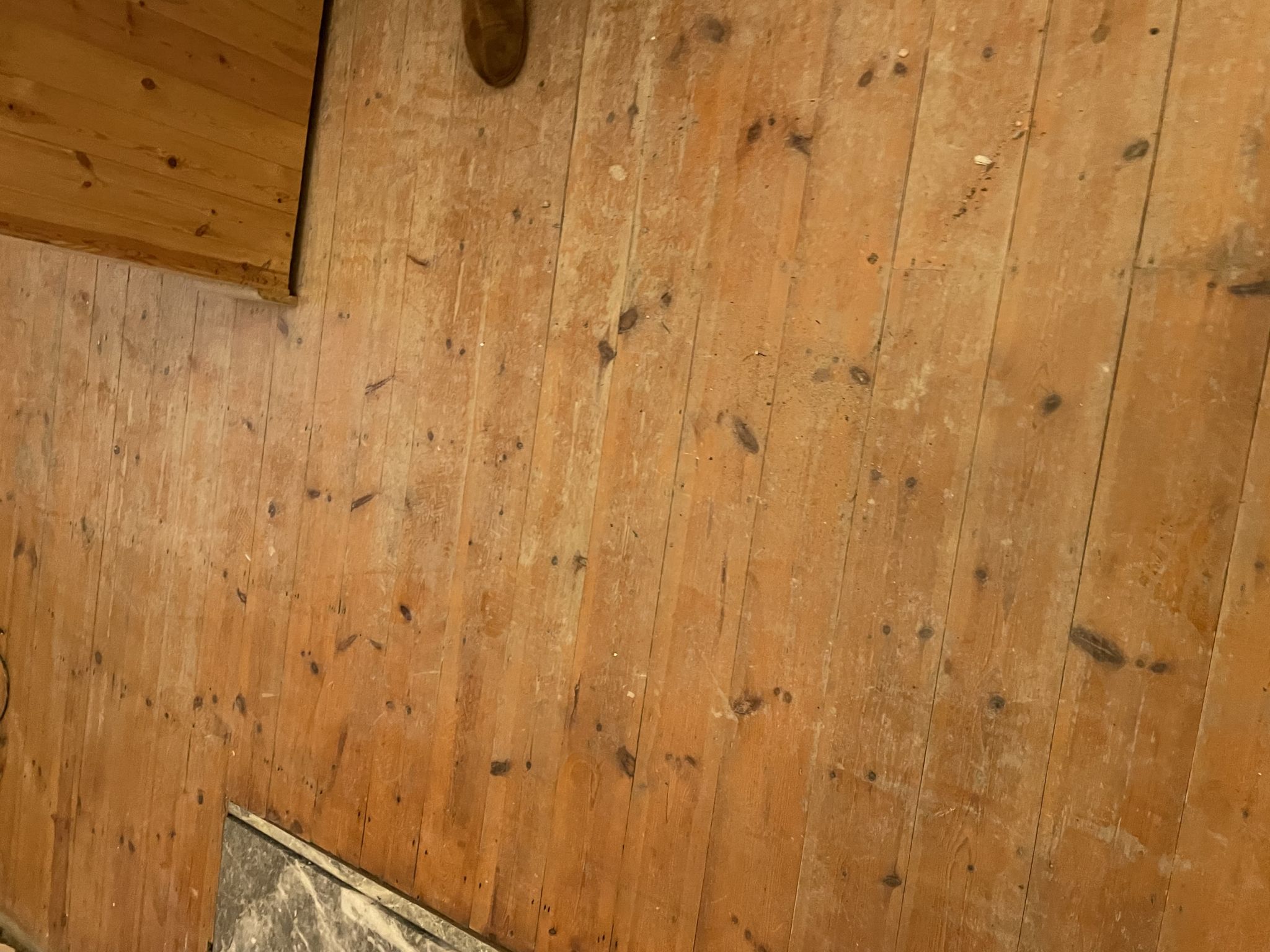
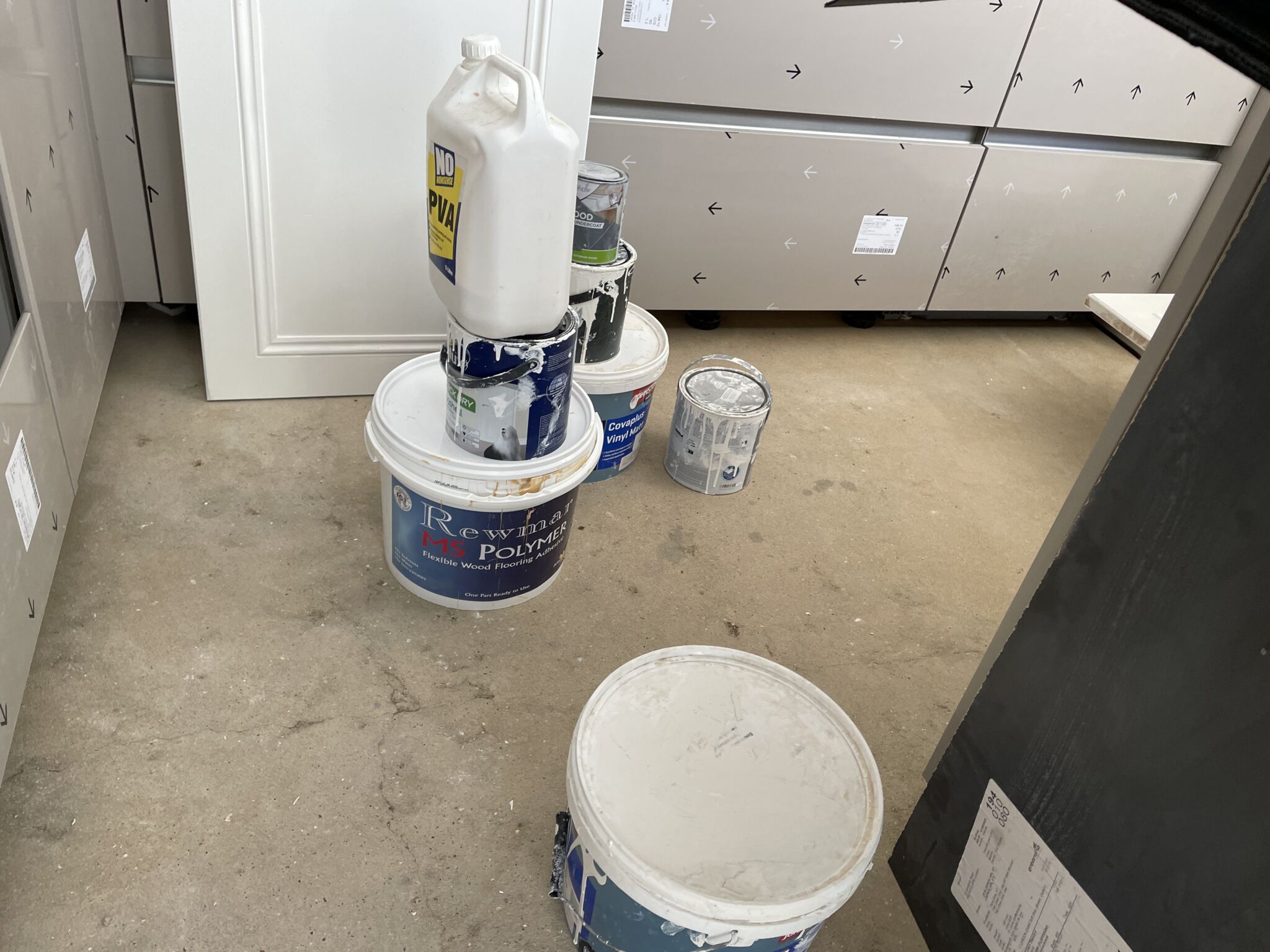
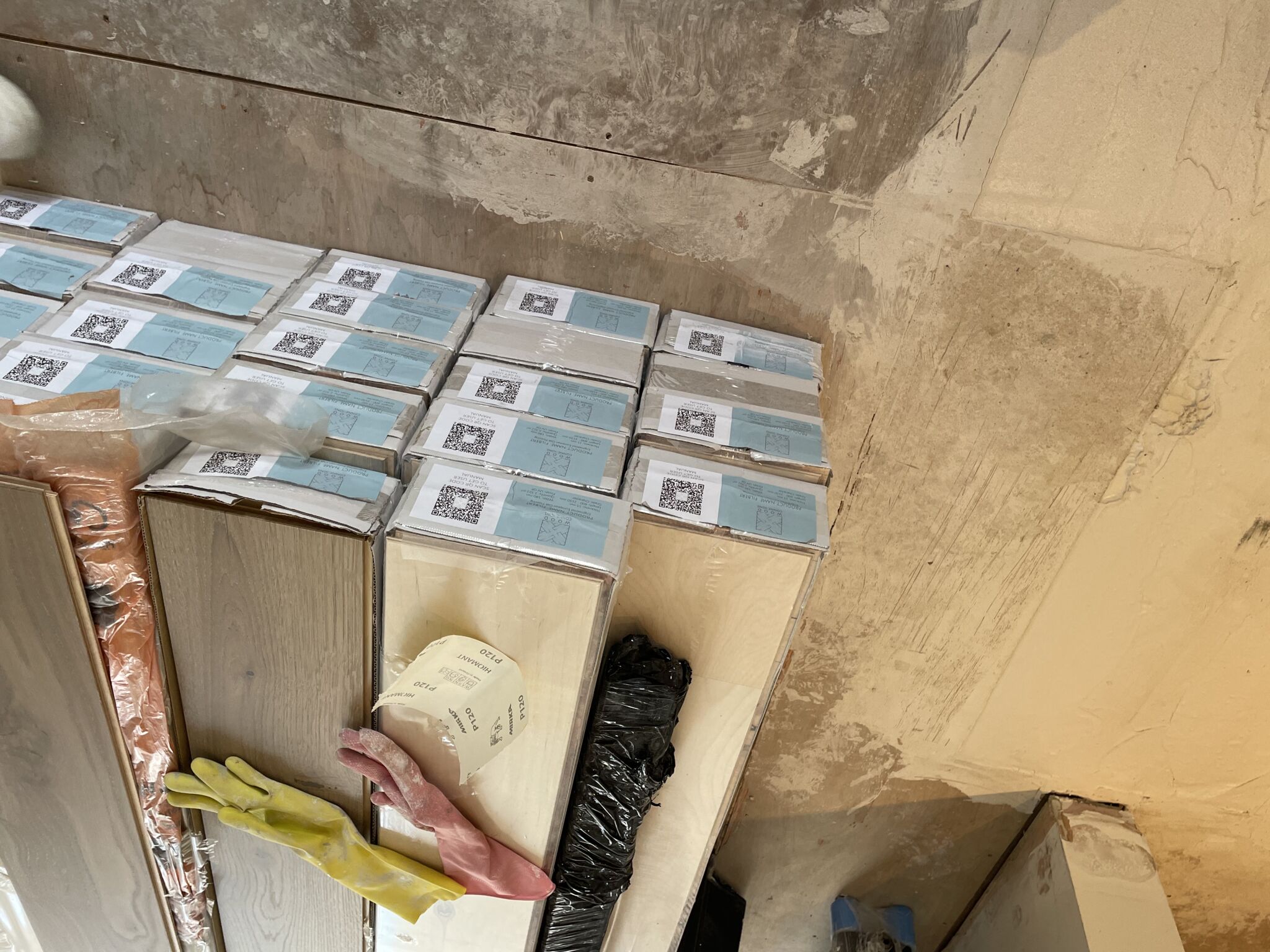
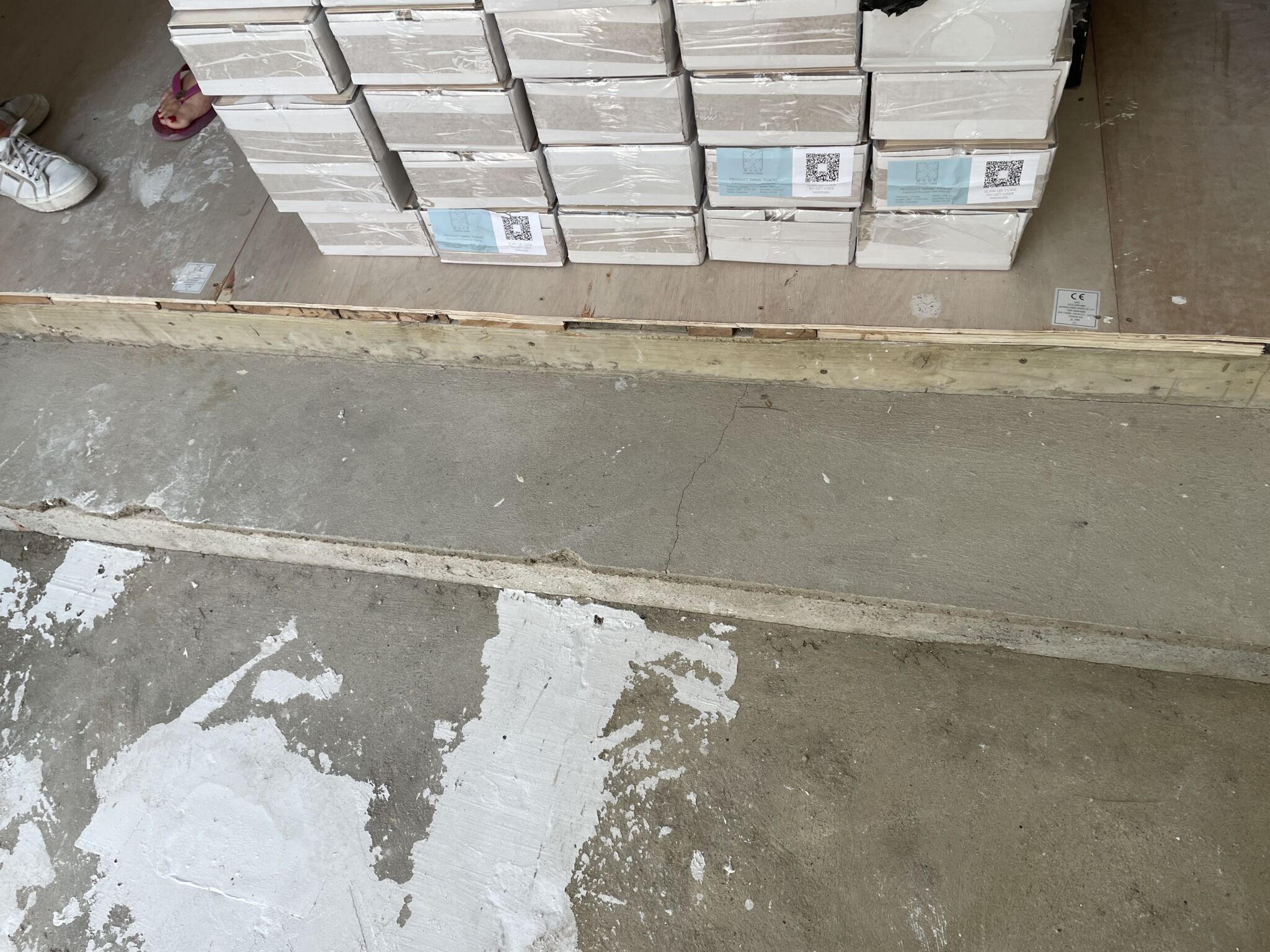
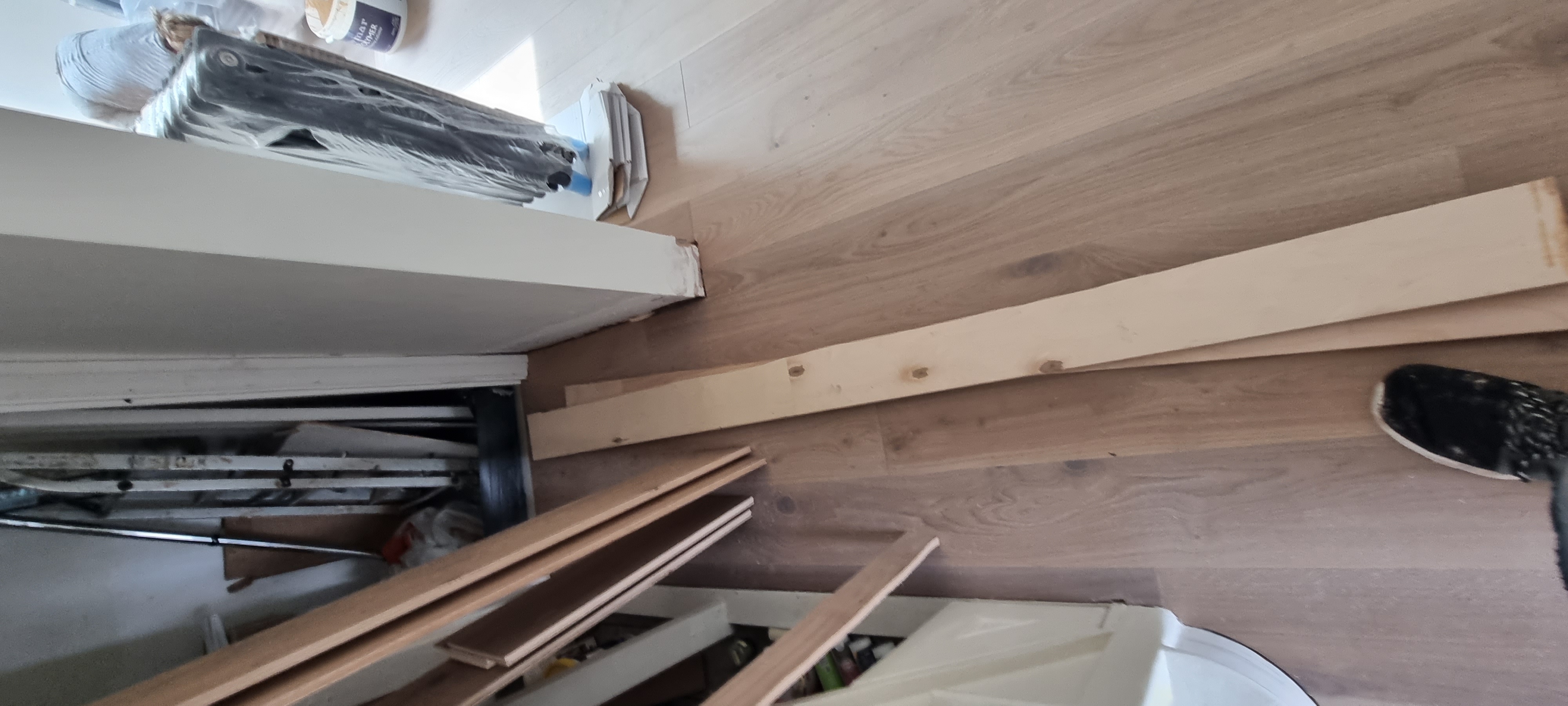
Room before mosaic oak parquet installation in West Ealing Subfloor preparation stage prior to mosaic parquet fitting

Project Overview

This project in West Ealing involved the supply, fitting, sanding, and lacquering of modern mosaic oak parquet flooring in a ground-floor reception room. The client wanted the classic look of a traditional herringbone parquet floor but had a budget that made individual block laying impractical. Mosaic oak finger panels offered the perfect answer. These panels come with a pre-arranged parquet pattern already assembled on a backing, which cuts the installation time significantly compared to laying individual blocks. The result is visually indistinguishable from a traditionally laid parquet floor once sanded and finished. Mosaic parquet installation with finishing typically falls in the £70 to £100 per square metre range.

The Challenge

The main challenge with mosaic parquet panels is that the backing material needs to be completely removed before sanding can begin. The panels arrive glued to a hessian or paper backing for ease of installation, but this backing must be fully stripped and the adhesive residue removed to get a true, consistent sand across the surface. Any residue left on the surface will clog sanding belts and prevent the finish from bonding properly. In addition, the panels had to be laid so that the finger pattern aligned correctly across the full width of the room. Getting this layout right at the start is critical because any misalignment is very obvious once the floor is finished.

Our Approach

  1. Subfloor preparation: We removed the existing floor covering and prepared the subfloor, ensuring it was clean, flat, and dry. Any high spots were sanded back and low areas were filled with a levelling compound.
  2. Layout planning: We dry-laid the first few rows across the room to establish the correct alignment and confirm the panel orientation before any adhesive was applied.
  3. Panel fitting: The panels were glued down using a flexible floor adhesive, working from the centre of the room out to the walls. The backing was pressed firmly into the adhesive and any air pockets worked out before the adhesive set.
  4. Backing removal: Once the adhesive had cured, we dampened the backing with water and carefully peeled it away. Any remaining adhesive residue was scraped and sanded off before the main sanding run began.
  5. Sanding: The surface was sanded diagonally in two directions, as with traditional herringbone parquet, progressing through coarse, medium, and fine grits to achieve a flat, smooth result. Edge work was completed with a detail sander and hand tools in tight corners.
  6. Lacquering: Three coats of a hard gloss lacquer were applied, with light sanding between coats. A stain was applied before the final coat to give the oak a richer, warmer tone that the client preferred over the natural pale colour of the raw wood.
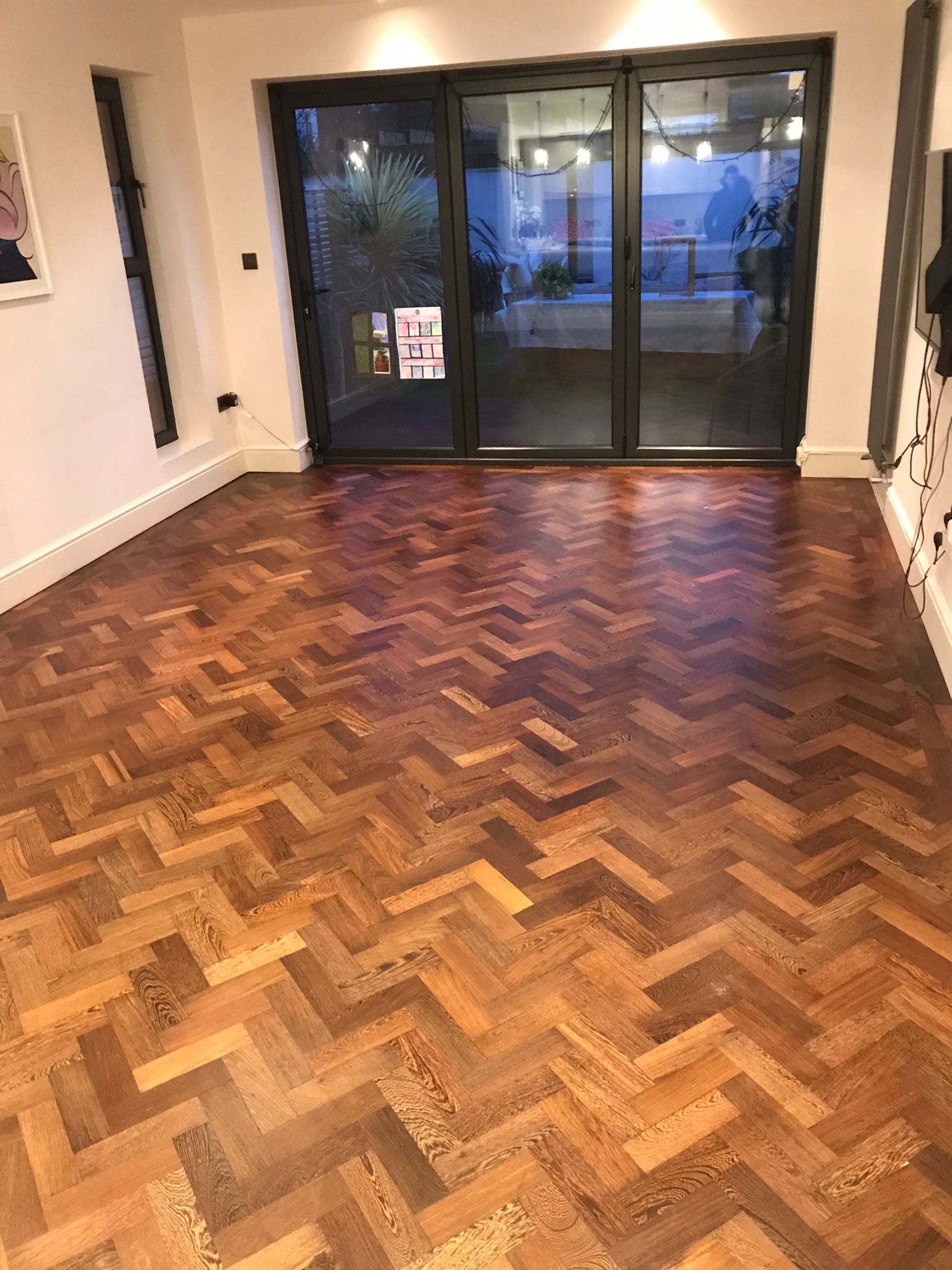
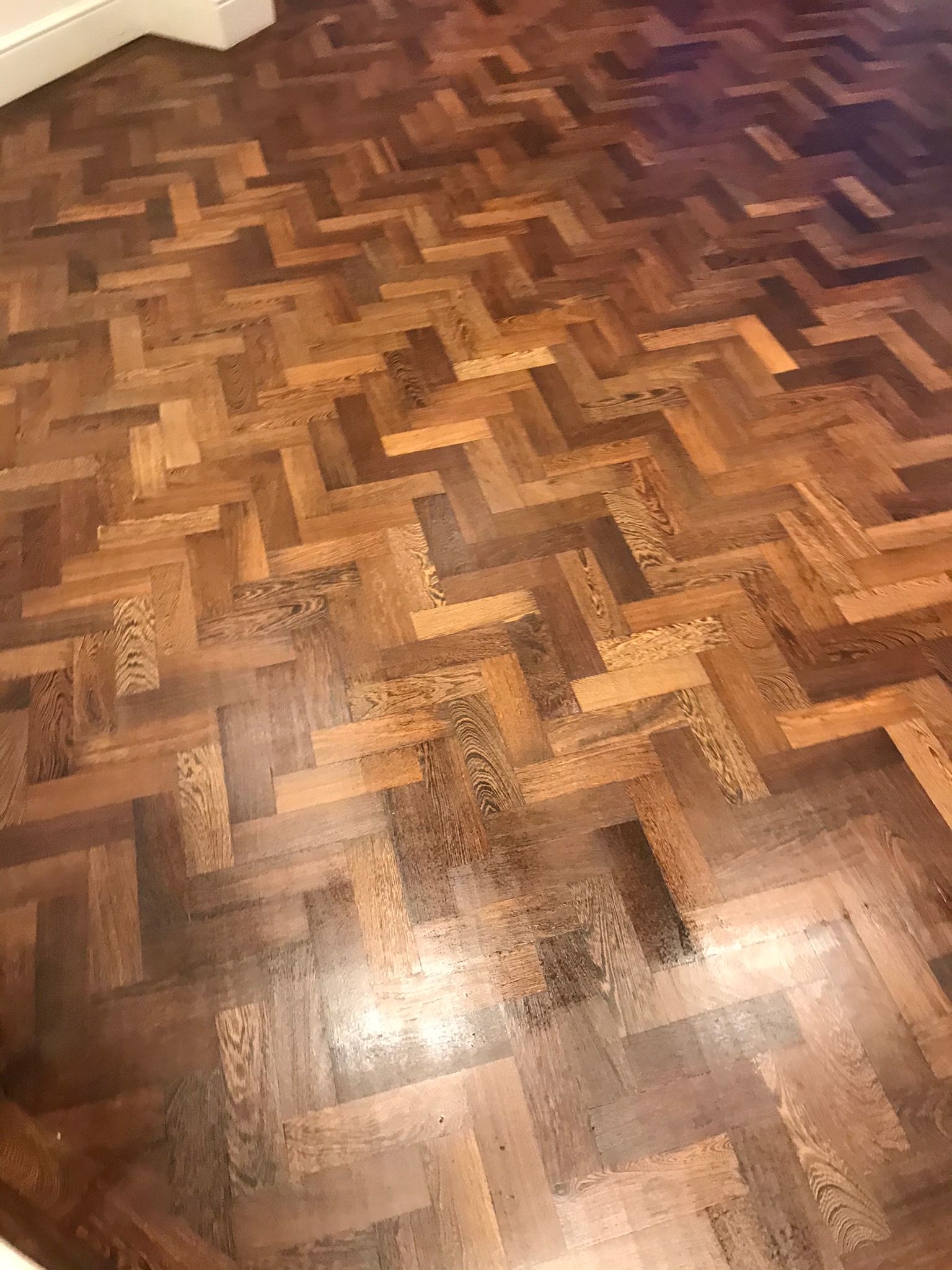
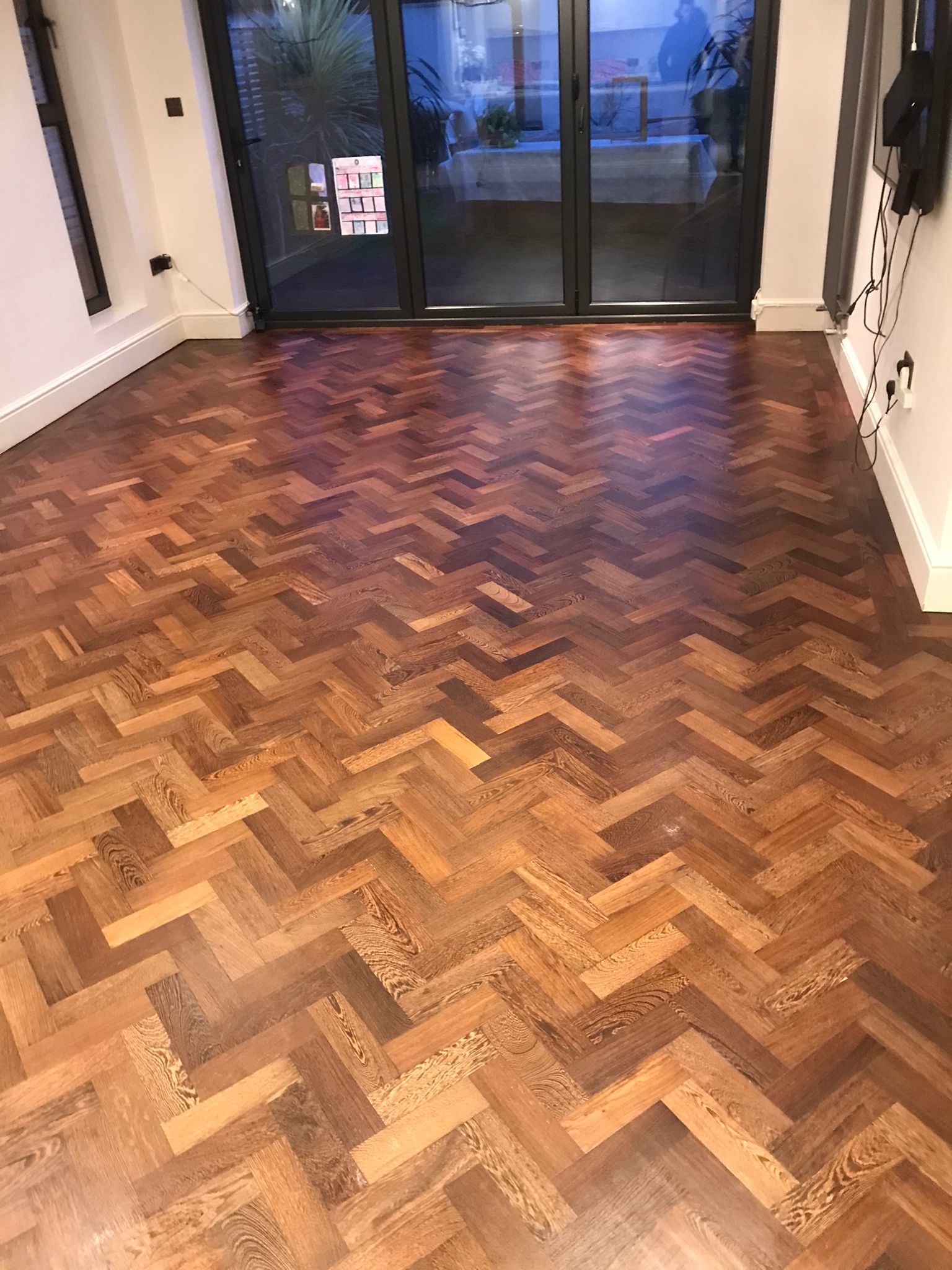
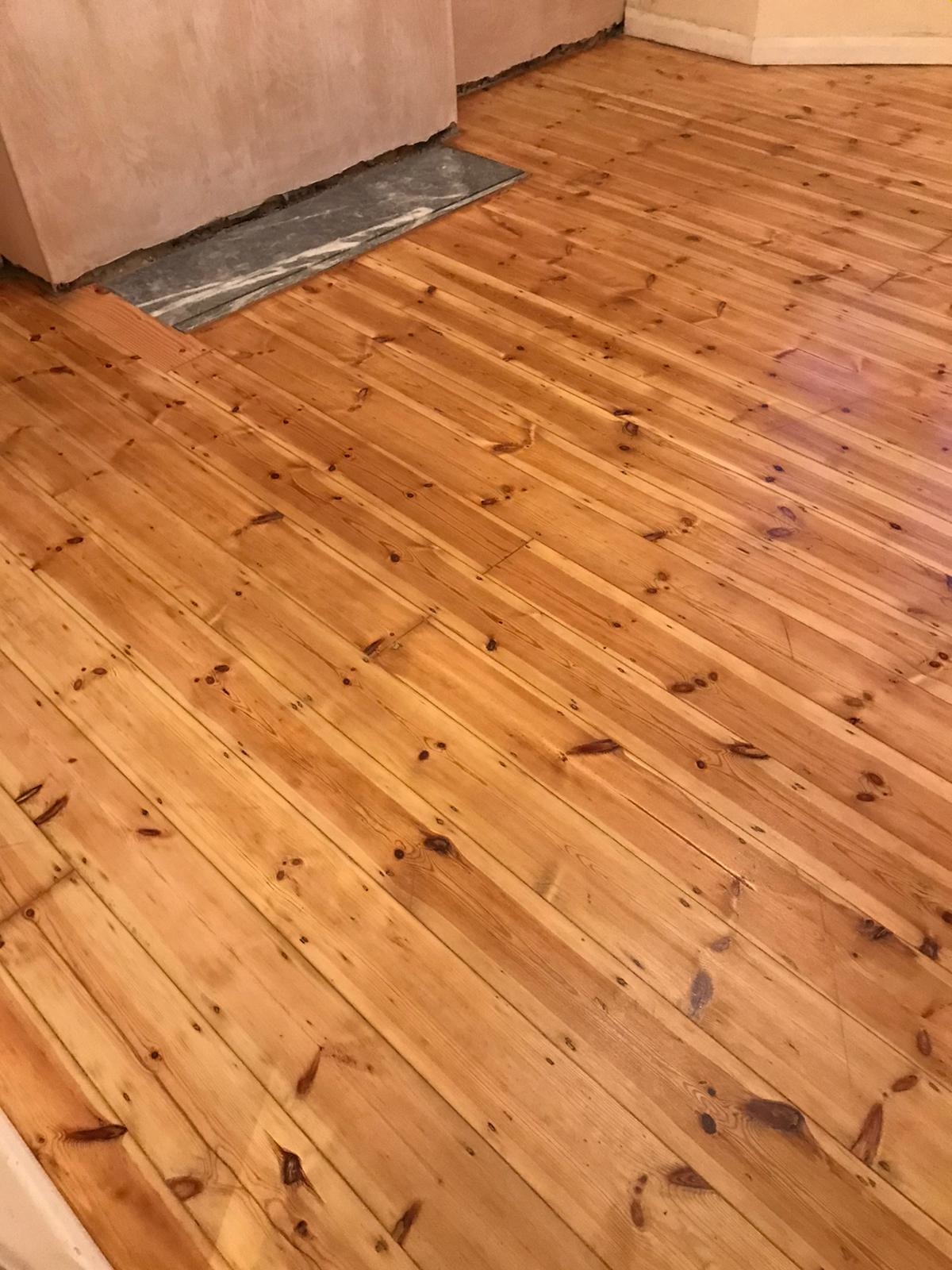
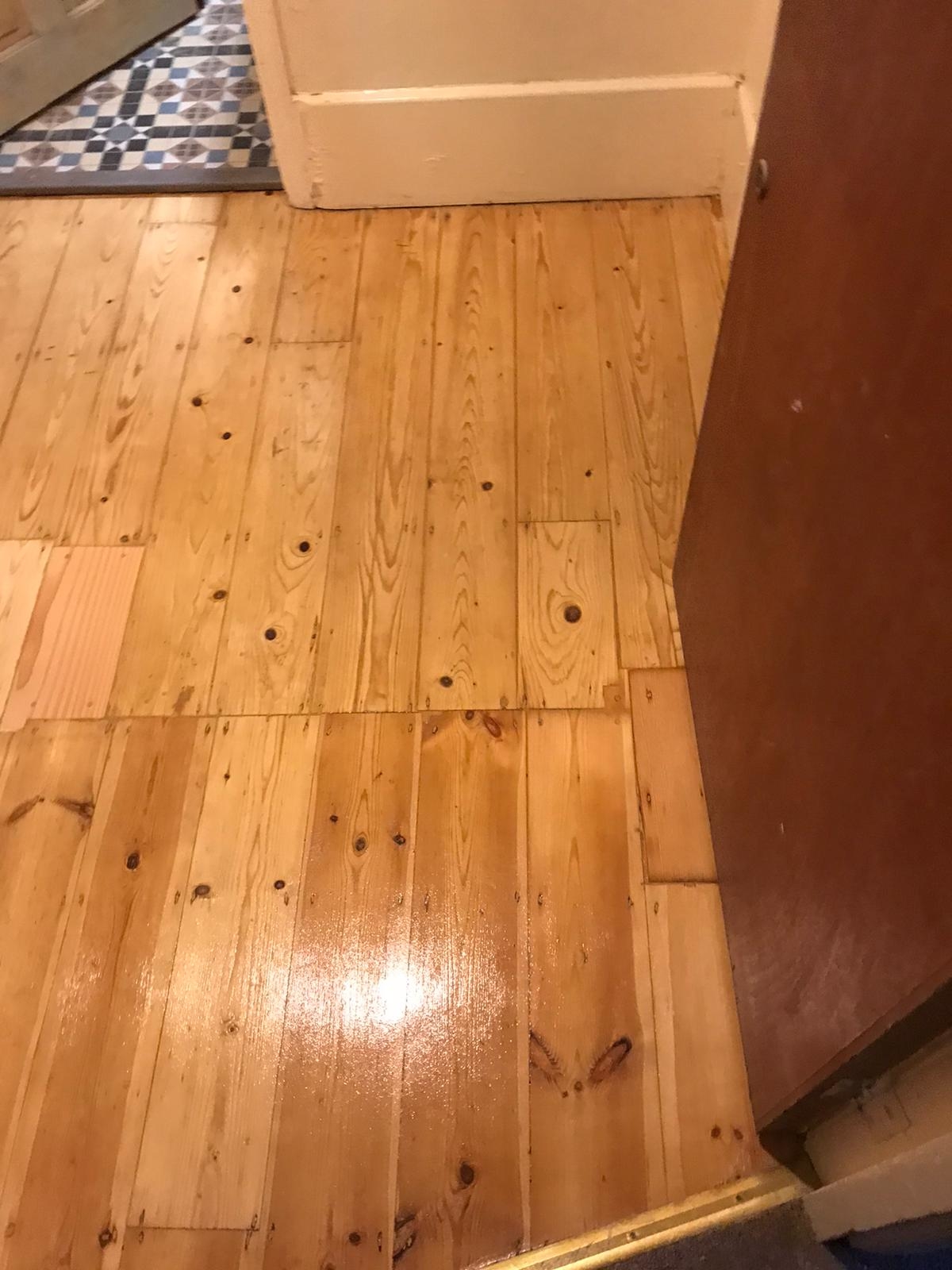
Finished mosaic oak parquet floor after sanding and lacquering in West Ealing

The Result

The finished floor looked exactly like a traditional parquet installation. The pattern was sharp, the surface smooth, and the stained lacquer gave the oak a warm, amber depth that complemented the period feel of the room. The client was genuinely surprised at how authentic it looked compared to the raw panels they had seen before fitting. This is a floor that will hold up well in a family home and, being solid oak at the surface, can be re-sanded and refinished in the future should it ever need attention.

Frequently Asked Questions

What is mosaic oak parquet and how does it differ from traditional parquet?

Mosaic parquet uses small oak finger blocks pre-assembled on a backing panel. Traditional parquet involves each block being laid individually. The visual result is essentially the same. Mosaic panels install faster and at lower labour cost, making the classic parquet look accessible at a more reasonable price point.

Can mosaic oak parquet be sanded and refinished like a standard parquet floor?

Yes. Once the backing has been removed and the floor is sanded and finished, it behaves exactly like any other solid wood parquet floor. It can be re-sanded and refinished multiple times over its lifespan.

What finish works best on mosaic oak parquet?

Lacquer is the most popular choice because it is hard-wearing and easy to clean. If you prefer a more natural look, a hardwax oil is a good alternative, though it requires more frequent maintenance. Staining before the final coat allows the colour of the floor to be adjusted to suit your interior.

Have a similar project? Call us on 020 88309782 or Book a Free Site Visit

Show more
Hardwood Floor Sanding and Repair in Leytonstone — Full Case Study

Project Overview This hardwood floor sanding, repair, and re-oiling project was completed at a terraced property in Leytonstone, East London. The client had lived in the house for several years and the floor, a solid oak strip floor, had accumulated damage in several areas: a few boards had split along the grain, one had a deep gouge from furniture removal, and the oil finish throughout had be...

Damaged hardwood floorboards before repair and sanding in Leytonstone Close-up of floorboard damage requiring replacement before restoration

Project Overview

This hardwood floor sanding, repair, and re-oiling project was completed at a terraced property in Leytonstone, East London. The client had lived in the house for several years and the floor, a solid oak strip floor, had accumulated damage in several areas: a few boards had split along the grain, one had a deep gouge from furniture removal, and the oil finish throughout had become dry and patchy. Rather than replacing the entire floor, we carried out targeted board replacement in the worst-affected areas and then sanded and re-oiled the whole floor to bring everything back to a consistent, good condition. Spot repair plus sanding on a hardwood floor of this type typically costs in the range of £25 to £45 per square metre for the sanding element, with board replacement priced per board.

The Challenge

The key challenge in any spot repair project is making the new boards blend with the old ones. Fresh oak boards will always be paler and brighter than boards that have aged over years in a finished room. The fit-and-forget approach of simply swapping damaged boards and sanding straight over them often leaves the repair area looking obvious for some time. Getting a good colour match requires careful selection of replacement stock, appropriate staining or tinting of the oil finish, and thorough sanding across the whole floor rather than just the repaired patches. The client also wanted the floor to look as natural as possible after the work was done, which meant avoiding a heavy lacquer finish in favour of an oil that would blend the old and new wood tones naturally.

Our Approach

  1. Board assessment: We walked the floor and identified each board that needed replacing. In total, five boards were beyond economical repair and were marked for removal.
  2. Board removal: The damaged boards were carefully cut out using a circular saw set to the exact board thickness, then removed without disturbing the neighbouring boards.
  3. New board fitting: Replacement oak boards selected to match the existing profile were glued and secret-nailed into place, then left to cure before sanding began.
  4. Full floor sanding: The entire floor was sanded in sequence: coarse pass to strip the old finish and flatten the surface, medium pass to remove the scratch marks, fine pass to prepare for the oil finish. Sanding all the old and new boards together at this stage is what allows the final finish to read as one uniform surface.
  5. Oil application: We applied a hardwax oil tinted slightly amber to help the new boards blend with the aged tone of the original floor. Two coats were applied with a buffing pass between them.
  6. Final buff: A final light buff brought the oil to an even sheen across the whole floor.
Hardwood floor after repair, sanding and re-oiling in Leytonstone

The Result

The repaired sections blended well with the rest of the floor. The slight tint in the oil helped to even out the colour difference between old and new boards, and within a few months of normal use the whole floor looked consistent. The client was pleased not just with the visual result but also with the cost saving compared to a full replacement, which would have been three to four times the price. The oil finish gives the floor a natural, matt look that suits the character of the house and is easy to maintain with occasional re-oiling of any areas that start to look dry.

Frequently Asked Questions

How do you match replacement floorboards to the existing ones?

We try to source replacement boards in the same wood species, width, and thickness as the originals. Exact matches are not always possible, particularly for older or non-standard boards, but working with the same species and then finishing old and new together minimises the visible difference. Tinted oils or stains can further close the gap in colour.

Is an oil finish as hardwearing as lacquer?

Oil finishes are less resistant to surface scratching than lacquer, but they are much easier to maintain. Scratches in an oiled floor tend to blend in naturally, whereas lacquer scratches show clearly as white marks. Worn areas in an oiled floor can be re-oiled without sanding the whole floor, which makes maintenance straightforward and low-cost.

How often does an oiled hardwood floor need maintenance?

In a normal domestic setting, a full re-oiling is typically needed every three to five years. Between re-oiling, using a suitable wood floor cleaner and a maintenance oil product on heavy-wear areas every few months will extend the time between full treatments considerably.

Have a similar project? Call us on 020 88309782 or Book a Free Site Visit

Show more
Engineered Wood Floor Fitting in Greenwich — Full Case Study

Project Overview This engineered wood flooring installation was completed at a flat in Greenwich, South East London. The client had recently purchased the property and wanted to replace the existing old carpet throughout the open-plan living and kitchen area with a real wood floor. Engineered wood was chosen for several practical reasons: the flat was on the ground floor with a concrete subflo...

Room before engineered wood floor fitting in Greenwich Subfloor inspection and preparation before engineered floor installation

Project Overview

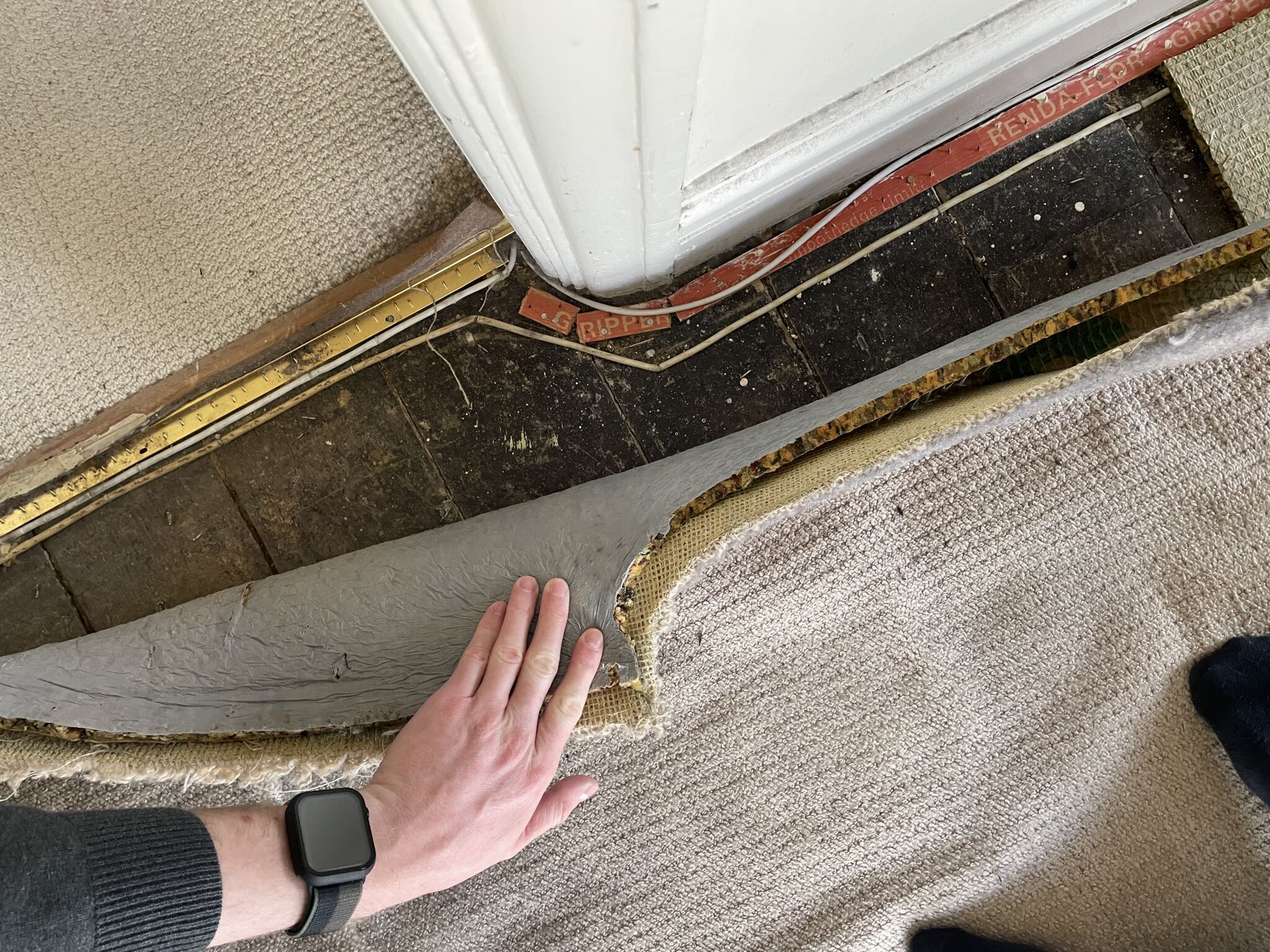
This engineered wood flooring installation was completed at a flat in Greenwich, South East London. The client had recently purchased the property and wanted to replace the existing old carpet throughout the open-plan living and kitchen area with a real wood floor. Engineered wood was chosen for several practical reasons: the flat was on the ground floor with a concrete subfloor, some areas were below the damp-proof course level, and the client had underfloor heating in the kitchen zone. Engineered wood handles all of these conditions better than solid wood. For a professional supply and fit, clients typically pay between £35 and £60 per square metre.

The Challenge

The concrete subfloor had two complications. First, moisture readings taken with a damp meter showed levels that were slightly above the threshold for direct fitting, so additional damp-proof measures were required before any boards could go down. Second, the floor was not level. There was a gradual slope of about eight millimetres across the room that would have been noticeable once the boards were laid and could have caused joint stress over time. Levelling a concrete floor to the tolerances required for a floating engineered floor is not a quick job, but it is essential for a lasting result.

Our Approach

  1. Carpet removal: The existing carpet and underlay were lifted and removed, along with any gripper rods and tack strips.
  2. Moisture control: A two-part epoxy damp-proof membrane was applied directly to the concrete and allowed to cure fully. This creates a reliable moisture barrier that will protect the engineered boards for the life of the floor.
  3. Levelling: A self-levelling compound was poured across the concrete and spread to bring the floor within two millimetres of level over the two-metre span specified in the engineered floor manufacturer's fitting guidelines. The compound was allowed to cure for 24 hours before any further work proceeded.
  4. Acclimatisation: The engineered boards were laid flat in the room for 48 hours to adjust to the room's humidity and temperature before fitting.
  5. Underlay: A suitable underlay compatible with the underfloor heating was laid across the concrete. The thermal resistance rating was kept within the limits specified for the heating system.
  6. Board installation: The boards were installed using a floating click system in a staggered pattern. Expansion gaps were maintained around the perimeter and at any fixed objects such as pipe runs and island units.
  7. Finishing: Matching skirting was fitted to cover the expansion gaps, and colour-matched threshold strips were installed at the kitchen entrance and doorways.
Completed engineered wood floor installation in Greenwich flat

The Result

The finished floor completely transformed the flat. The open-plan space now had a consistent, warm floor surface running from the entrance hallway through the living area and into the kitchen. The boards were clean and level, the joints tight, and the colour, a natural brushed oak, worked well with the client's furniture. The floor also performed well with the underfloor heating, warming up evenly without any creaking or movement at the joints. This is a floor that, properly maintained, should give 25 to 30 years of good service.

Frequently Asked Questions

Why is levelling the subfloor so important before fitting engineered wood?

Engineered boards are rigid, and if they span an uneven subfloor, the joints take the strain. Over time, this can cause the click joints to crack or the boards to develop a slight rocking motion underfoot. Most manufacturers specify a maximum of two millimetres deviation over two metres for their floating floor products.

Is a damp-proof membrane always needed under engineered wood on concrete?

It depends on the moisture readings in the concrete. If readings are within acceptable limits, a standard underlay with an integrated moisture barrier is often sufficient. If moisture levels are elevated, a dedicated epoxy or sheet membrane is necessary. We always test moisture levels before recommending a course of action.

How do you handle expansion gaps around kitchen islands and fixed objects?

The standard approach is to maintain the required expansion gap around all fixed objects and cover it with a suitable trim or threshold strip. In some kitchen installations, the island units are sited on top of the finished floor rather than fixed to the subfloor, which removes the need for a gap around them entirely.

Have a similar project? Call us on 020 88309782 or Book a Free Site Visit

Show more
Parquet Floor Fitting in Peckham — Full Case Study

Project Overview This parquet floor fitting project was completed at a Victorian terrace in Peckham, South East London. The client had recently renovated the ground floor of the property and wanted a parquet floor to run through the hallway and front reception room. A traditional herringbone pattern in solid oak was chosen to suit the period character of the house. Parquet fitting is a skilled...

Subfloor preparation before parquet floor fitting in Peckham Room cleared and subfloor checked prior to parquet installation

Project Overview

This parquet floor fitting project was completed at a Victorian terrace in Peckham, South East London. The client had recently renovated the ground floor of the property and wanted a parquet floor to run through the hallway and front reception room. A traditional herringbone pattern in solid oak was chosen to suit the period character of the house. Parquet fitting is a skilled job that takes considerably longer than fitting straight-run boards, which is reflected in the price. For a professionally fitted, sanded, and finished solid parquet floor in London, clients should budget in the region of £70 to £100 per square metre, depending on the pattern chosen and the complexity of the layout.

The Challenge

The main technical challenge on this project was the subfloor condition. The hallway had a suspended timber subfloor that had a slight spring to it, while the front room sat on a solid concrete base. Fitting parquet across two different subfloor types requires a consistent base level between them, which meant the junction between the hallway and the reception room needed careful attention. Any height difference would have been immediately visible as a step in the finished floor. The hallway joists also needed reinforcing in one section where they had dropped slightly, creating a low spot that would have produced a hollow sound underfoot had it been left.

Our Approach

  1. Subfloor assessment: We checked the level across both rooms and at the junction, measured the deflection in the timber subfloor, and identified the section with the dropped joist.
  2. Joist repair: A new noggin was fitted between the affected joists to restore support and eliminate the movement. The chipboard deck was re-screwed at closer centres to reduce flex to an acceptable level.
  3. Level transition: The concrete in the front room was slightly higher than the finished timber deck height. We used a thin ply packing layer on the timber side to bring both surfaces to exactly the same level at the junction.
  4. Pattern layout: Before any blocks were glued, we dry-laid the herringbone pattern across both rooms to confirm the alignment and ensure the pattern met correctly at the doorway between the two spaces.
  5. Block fitting: The parquet blocks were glued down with a flexible wood adhesive, starting from the centreline of the doorway and working outwards. Each block was pressed firmly and checked for level as it went down.
  6. Sanding and finishing: Once the adhesive had fully cured over 48 hours, the floor was sanded diagonally in two directions through three grit stages, then finished with three coats of a satin lacquer.
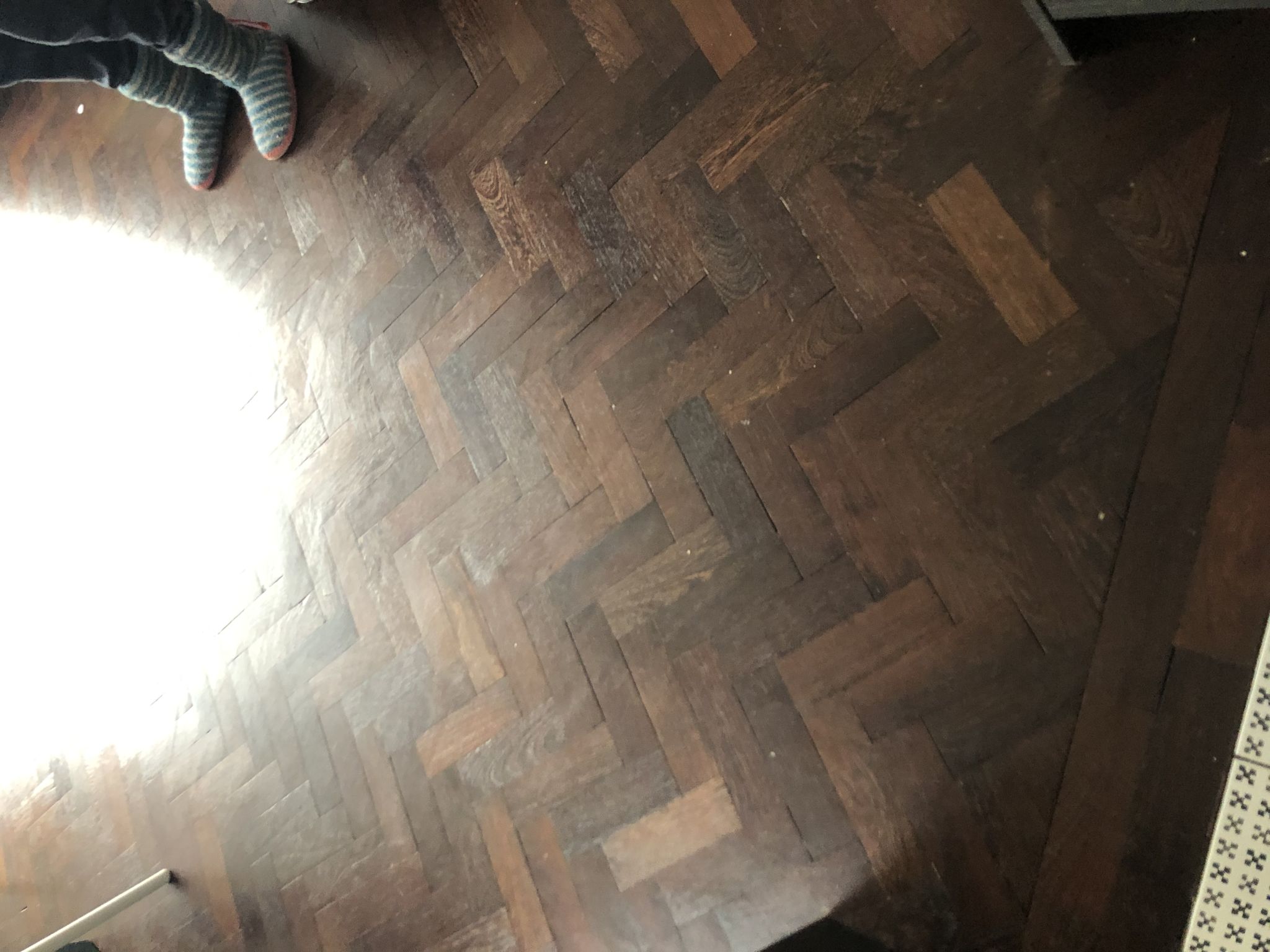
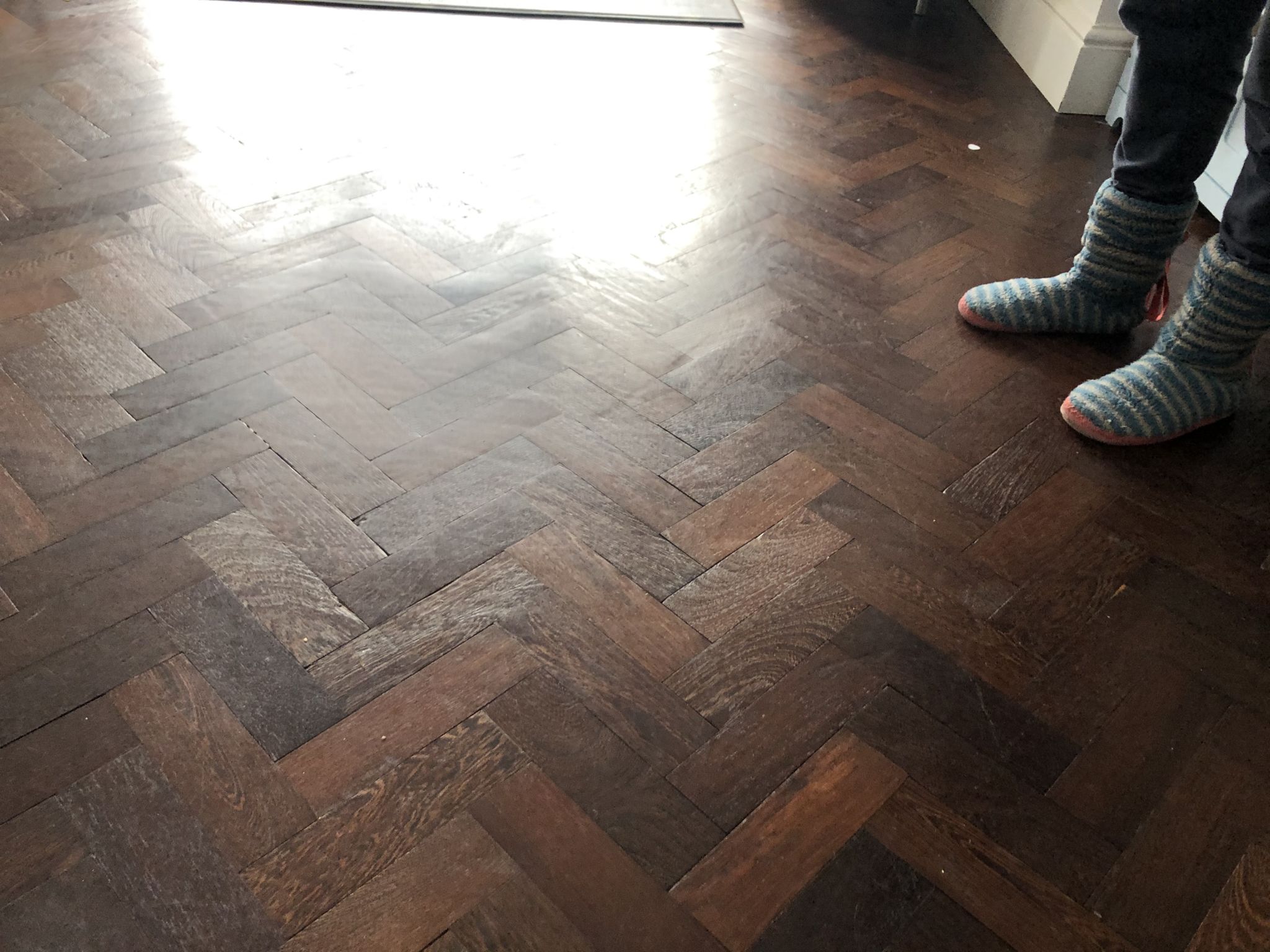
Completed herringbone parquet floor after fitting and lacquering in Peckham

The Result

The finished floor ran through both rooms with a consistent, tight herringbone pattern and no visible transition at the junction between the two subfloor types. The satin lacquer gave the oak a warm, slightly understated finish that suited the renovation style. The client commented that the floor was the centrepiece of the whole ground-floor renovation. Parquet fitted over a correctly prepared subfloor and finished with a quality lacquer will look good for decades and can be re-sanded and refinished when it eventually shows wear.

Frequently Asked Questions

How long does it take to fit a parquet floor?

The fitting stage for a single room of average size typically takes one to two days, depending on the pattern complexity and the number of cuts required. Subfloor preparation adds time, as does the 48-hour adhesive cure period before sanding can begin. A complete parquet project from start to finish, including fitting, sanding, and three-coat lacquering, generally takes five to seven working days.

Can parquet be fitted over a suspended timber floor?

Yes, provided the timber floor is structurally sound and has minimal deflection. A suspended floor that flexes significantly underfoot is not a good base for glued parquet, as the movement can break the adhesive bond over time. Reinforcing the subfloor before fitting is a worthwhile investment that prevents problems later.

What is the best pattern for a small hallway?

Herringbone is the most popular choice for hallways because the diagonal lines draw the eye down the length of the space, making it feel longer. A straight-run or square-set parquet pattern can work well in wider hallways or where a simpler look is preferred. The scale of the block also matters: smaller blocks suit narrower hallways better than larger ones.

Have a similar project? Call us on 020 88309782 or Book a Free Site Visit

Show more
Parquet Floor Fitting in Blackheath — Full Case Study

Project Overview This parquet floor fitting project was completed at a large family home in Blackheath, South East London. The client wanted a solid parquet floor fitted in the ground-floor hallway and through into the main reception room. The property was a detached Victorian house with character features throughout, and the new parquet floor was intended to complement the period feel of the ...

Subfloor preparation before parquet floor fitting in Blackheath Room cleared and moisture barrier preparation during parquet installation

Project Overview

This parquet floor fitting project was completed at a large family home in Blackheath, South East London. The client wanted a solid parquet floor fitted in the ground-floor hallway and through into the main reception room. The property was a detached Victorian house with character features throughout, and the new parquet floor was intended to complement the period feel of the space. A traditional herringbone pattern in solid oak was chosen. The project scope included full subfloor preparation, moisture protection, fitting, sanding, and a final lacquer finish. Parquet fitting with a complete finish in London falls in the £70 to £100 per square metre range.

The Challenge

The ground floor of this property was at or close to ground level in parts, which meant moisture was a concern. A damp meter check of the subfloor confirmed readings above the safe threshold for solid wood installation without additional protection. Fitting a solid parquet floor directly onto a damp subfloor without a moisture barrier risks the blocks absorbing moisture, swelling, and lifting within a few years. This had to be dealt with properly before any timber went down. The hallway also had a slightly uneven concrete base where a previous installation had been removed, leaving patches of adhesive residue and some localised surface damage that needed remediation.

Our Approach

  1. Subfloor preparation: The concrete subfloor was thoroughly cleaned, with all adhesive residue scraped and ground back. The surface was then vacuumed and inspected for level.
  2. Levelling: Low spots and the areas damaged by the previous floor removal were filled with a rapid-set levelling compound and feathered out to achieve a flat base within the manufacturer's tolerance.
  3. Moisture barrier membrane: A DPM-grade polyethylene sheet membrane was laid over the prepared concrete, lapped up the walls by 50 millimetres, and taped at all joints. This creates a complete moisture break between the concrete and the wood above.
  4. Pattern layout: We planned the herringbone layout to centre correctly in both rooms and align through the doorway, dry-laying the first several rows before committing to adhesive.
  5. Block fitting: Parquet blocks were glued down using a flexible wood adhesive suitable for use over membrane. Each block was set level and checked as the pattern built out from the centreline.
  6. Sanding and finishing: After a full 48-hour cure, the floor was sanded diagonally through three grit stages and finished with three coats of hard lacquer, lightly abraded between coats.
Finished herringbone parquet floor after fitting and lacquering in Blackheath

The Result

The floor came out clean and sharp, with the herringbone running correctly through both spaces and meeting neatly at the doorway. The lacquer finish complemented the natural character of the oak and gave the hallway a proper period feel that matched the house. The moisture barrier means the floor has a solid long-term foundation, and the client can expect this parquet to last for many decades without the kind of moisture-related problems that affect poorly installed floors. A well-fitted, lacquer-finished parquet floor maintains its appearance with nothing more than regular sweeping and an occasional damp mop with a suitable wood floor cleaner.

Frequently Asked Questions

Why is a moisture barrier important under parquet flooring?

Solid wood absorbs and releases moisture constantly in response to its environment. When the subfloor is damp, the blocks absorb moisture from below, expand, and eventually lift or cup. A membrane between the concrete and the wood prevents this moisture from reaching the blocks and protects the floor's structural integrity over the long term.

How do you ensure the herringbone pattern aligns correctly through a doorway?

Careful layout planning before any blocks are glued is essential. We establish a centreline that runs through the doorway and use this as the reference point for both rooms. The first few rows are dry-laid without adhesive to confirm the alignment before the permanent fitting begins.

Can parquet flooring be installed in a kitchen or bathroom?

We generally advise against solid parquet in rooms with high or unpredictable humidity, such as kitchens and bathrooms. Solid wood and constant moisture exposure are a poor combination. Engineered wood with a lacquer finish is a much better option for these areas if you want the wood floor look in wetter parts of the house.

Have a similar project? Call us on 020 88309782 or Book a Free Site Visit

Show more
Parquet Floor Restoration in Central London — Full Case Study

Project Overview This parquet floor restoration and repair project was carried out at the offices of VOGUE Magazine in Central London. The work focused on the corridor leading to the Board Meeting Room, a high-profile area that sees regular use by staff, visitors, and senior management. The parquet floor in this section had developed gaps between the blocks, the surface finish had dulled and w...

Parquet floor corridor at VOGUE Magazine HQ before restoration Close-up of parquet surface wear and gap condition prior to treatment

Project Overview

This parquet floor restoration and repair project was carried out at the offices of VOGUE Magazine in Central London. The work focused on the corridor leading to the Board Meeting Room, a high-profile area that sees regular use by staff, visitors, and senior management. The parquet floor in this section had developed gaps between the blocks, the surface finish had dulled and worn, and in a few areas the blocks had begun to lift slightly. Given the setting, the work had to be done to an exceptional standard and with minimal disruption to office operations. Commercial parquet restoration in Central London falls broadly in the £70 to £100 per square metre range, though scope variations affect the final cost.

The Challenge

Working in an occupied commercial environment brings constraints that do not apply in domestic settings. The work had to be scheduled to avoid disrupting key meetings and office hours, which meant phased working and strict dust control were essential. Parquet floor sanding produces fine dust that can travel considerable distances in an air-conditioned office if not contained properly. In addition, the corridor was narrow, which limited the size of equipment that could be used, and any marks or scuffs to the freshly painted walls would have been unacceptable. The floor's herringbone pattern also demanded diagonal sanding technique, as always with parquet, requiring experience and care to avoid any cross-grain damage.

Our Approach

  1. Condition inspection: We carried out a thorough assessment of the corridor floor, noting every loose block, every gap wider than one millimetre, and every section of worn finish before agreeing on the scope of work with the facilities team.
  2. Block re-gluing and replacement: Loose blocks were individually lifted, cleaned, re-glued, and pressed back into position. A small number beyond repair were replaced with matching oak stock.
  3. Gap filling: All significant gaps were filled using a resin and wood-dust mixture matched to the floor's existing colour, producing a natural-looking result rather than a contrasting filler line.
  4. Dust containment: Before sanding began, we sealed the corridor with polythene sheeting at both ends and covered all ventilation grilles. A dust extraction system was connected directly to the sanding machine to keep airborne particles to a minimum.
  5. Sanding: The floor was sanded diagonally through three grit stages using equipment sized to fit the corridor width. Edge sanding was completed carefully to avoid marking the walls or skirting.
  6. Finishing: Two coats of a hard-wearing commercial-grade lacquer were applied, chosen for its quick drying time to minimise disruption. The finish was buffed between coats for a consistently smooth result.
Parquet floor corridor at VOGUE HQ after restoration and lacquering

The Result

The corridor floor looked considerably better after treatment. The gaps were filled, the surface finish was even and clean, and the overall appearance of the space was noticeably improved. The work was completed within the agreed schedule without disruption to the building's operations. Maintaining parquet floors in commercial settings to a high standard requires periodic professional attention, and this project is a good example of how a targeted restoration can significantly extend a floor's useful life without the cost and disruption of replacement.

Frequently Asked Questions

Can parquet floor sanding be done in an occupied commercial building?

Yes, with the right preparation. Dust containment is the main concern. We use direct-extraction sanding equipment and seal off the work area to prevent dust spreading into adjacent offices. Work is typically scheduled outside core business hours or in phases to keep disruption to a minimum.

How often does a commercial parquet floor need professional maintenance?

In a high-traffic commercial corridor, the finish will wear faster than in a domestic setting. A maintenance coat applied every two to three years can extend the time between full sanding and refinishing jobs. Full sanding and refinishing on a well-maintained commercial floor is typically needed every eight to fifteen years.

What type of finish is best for a high-traffic commercial parquet floor?

A commercial-grade lacquer with a hard surface film is generally the most practical choice for high-traffic areas. It provides strong scratch and wear resistance, is easy to clean, and is available in a range of sheen levels from matt to high gloss. Oil finishes, while beautiful, require more frequent maintenance and are less suited to very high-traffic commercial use.

Have a similar project? Call us on 020 88309782 or Book a Free Site Visit

Show more
Laminate Floor Fitting in Crystal Palace — Full Case Study

Project Overview This laminate flooring installation was completed at a terraced house in Crystal Palace, South East London. The client wanted to update their ground-floor rooms with a good-quality laminate that would give the look of real wood without the higher cost or maintenance requirements that come with solid or engineered flooring. Modern laminate has improved dramatically over the pas...

Old flooring removed and subfloor exposed before laminate fitting in Crystal Palace Subfloor condition assessed and prepared prior to laminate installation

Project Overview

This laminate flooring installation was completed at a terraced house in Crystal Palace, South East London. The client wanted to update their ground-floor rooms with a good-quality laminate that would give the look of real wood without the higher cost or maintenance requirements that come with solid or engineered flooring. Modern laminate has improved dramatically over the past decade. Today's products are thicker, more realistic in texture and grain detail, and considerably more hardwearing than the laminate products of twenty years ago. For a professional supply and fit, the typical cost falls between £35 and £60 per square metre, making it the most cost-effective way to get a wood-effect floor in good condition quickly.

The Challenge

The rooms had existing vinyl sheet flooring laid directly over concrete. The vinyl had to come up before the laminate could go down, and removing old glued vinyl from concrete is time-consuming work. In one area, the adhesive had hardened and bonded so firmly that the concrete surface was lightly pitted after removal. These pits needed to be filled before the laminate went down, as any significant surface irregularity beneath a floating laminate floor transmits through the boards as a slight flex that can, over time, stress the click joints. One doorway also had a slightly raised threshold that needed to be reduced to allow the floor to run through the room without a trip hazard at the door.

Our Approach

  1. Vinyl removal: The existing vinyl was carefully cut into strips to make handling manageable, then pulled up. The old adhesive residue on the concrete was scraped and ground back as thoroughly as possible.
  2. Subfloor repair: Any pitting from the adhesive removal was filled with a rapid-set patching compound and feathered smooth. The floor was checked for level and any remaining high spots were ground back.
  3. Door threshold: The raised door threshold was planed down flush with the surrounding floor level so the laminate could run through the doorway cleanly without requiring a raised strip.
  4. Damp-proof membrane: A DPM sheet was laid over the concrete and taped at all joints before the underlay went down, as a precaution against any residual moisture in the slab.
  5. Underlay: A good-quality foam underlay was laid over the membrane. This adds cushioning underfoot, reduces the hollow sound that laminate can produce, and provides a small additional thermal benefit at floor level.
  6. Laminate fitting: The boards were fitted in a staggered pattern, leaving the required expansion gap around all walls and fixed objects. Cuts were made cleanly to fit around door frames and the existing staircase foot.
  7. Finishing: Matching beading was fitted around the perimeter to cover the expansion gap and colour-matched threshold strips were installed at each doorway.
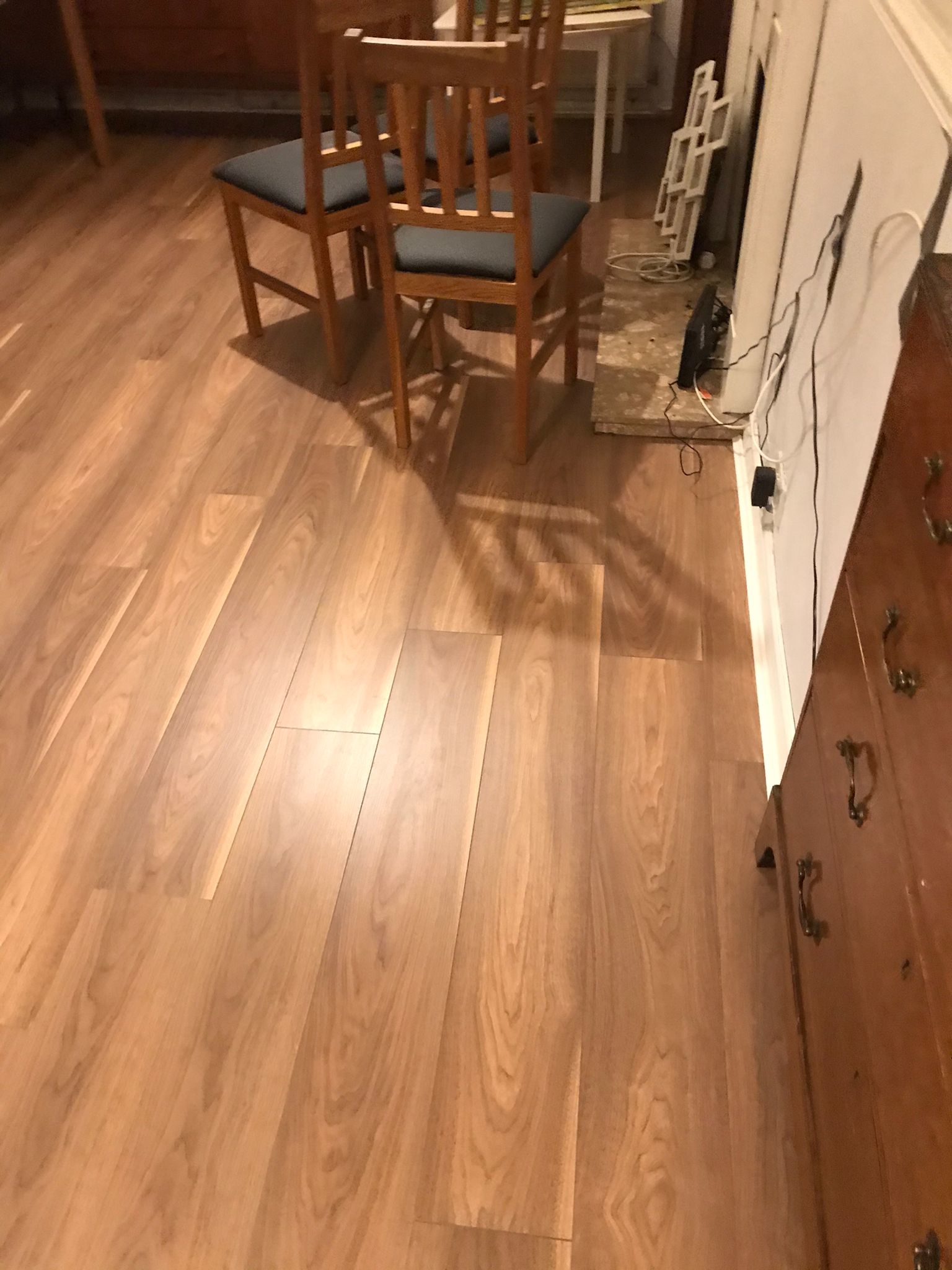
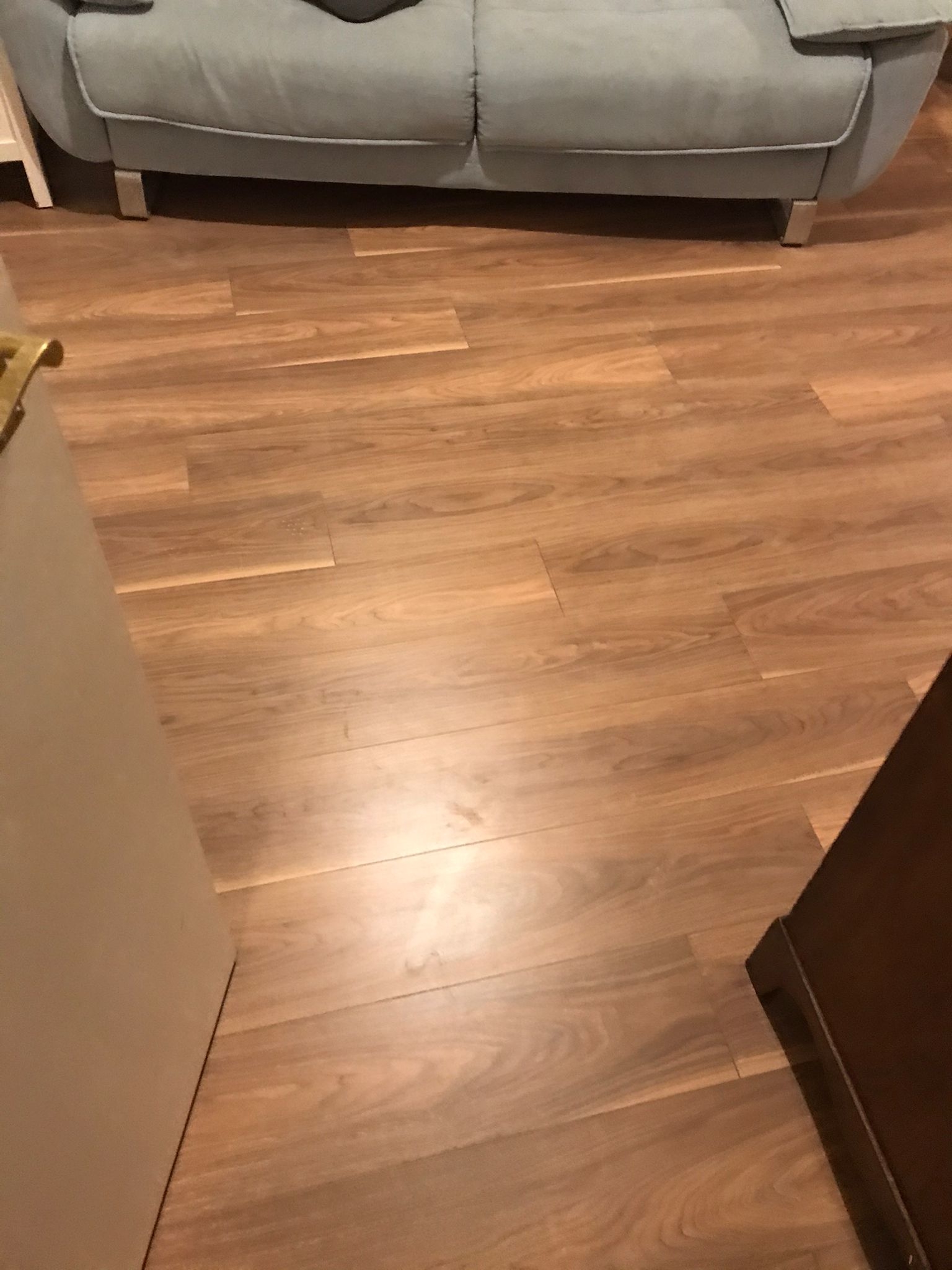
Completed laminate floor installation in Crystal Palace

The Result

The transformation was significant. The tired vinyl was replaced by a clean, warm-toned laminate that immediately brightened the rooms and made them feel more cared for. The client was pleased with how much the floor had improved the overall feel of the ground floor without a major outlay. The laminate chosen had a natural oak look with a subtle brushed texture, which suited the character of the house well. With normal care, a good quality laminate fitted over a properly prepared subfloor will last fifteen to twenty-five years before replacement becomes a consideration.

Frequently Asked Questions

Can laminate be fitted over an existing vinyl floor?

In some cases, laminate can be laid over existing vinyl if the vinyl is firmly bonded, flat, and in good condition, and if the additional height is not a problem at doorways. More often, we recommend removing the old vinyl first to ensure the subfloor is in known good condition and to avoid any unevenness being transmitted through to the new floor.

What thickness of laminate should I choose?

For domestic use, 8mm to 12mm laminate is the usual range. Thicker boards feel more solid underfoot, absorb sound better, and are generally more resistant to dents and damage. 12mm is a good choice for busy family homes. Thinner boards are suitable for lower-traffic rooms or where the floor height gain needs to be minimised.

How do I keep a laminate floor looking good long-term?

Daily sweeping or vacuuming to remove grit is the most important routine, as grit particles underfoot will gradually scratch the surface. For mopping, use a lightly dampened mop rather than a wet one, as standing water can get into the joints and cause swelling. Avoid steam mops entirely, as the high heat and moisture will damage most laminate products.

Have a similar project? Call us on 020 88309782 or Book a Free Site Visit

Show more
Engineered Floor Buffing and Re-oiling in Whitechapel — Full Case Study

Project Overview This engineered wooden flooring buffing and re-oiling project was carried out at a residential property in Whitechapel, East London. The project covered the main living area floor and also extended to the staircase, which had developed similar surface wear. The engineered floor had been down for several years and was looking tired: the oil finish had broken down in the main tr...

Engineered floor showing wear and large cracks before buffing and re-oiling in Whitechapel Close-up of gap and surface dullness on engineered floor before treatment

Project Overview

This engineered wooden flooring buffing and re-oiling project was carried out at a residential property in Whitechapel, East London. The project covered the main living area floor and also extended to the staircase, which had developed similar surface wear. The engineered floor had been down for several years and was looking tired: the oil finish had broken down in the main traffic areas, large cracks had opened up in some of the board joints, and the colour had faded unevenly. Rather than a full sand, which would have removed more of the engineered veneer than was necessary, a surface buff and re-oil approach was used to refresh the finish while preserving the maximum wood thickness for future treatments. Buffing and re-oiling an engineered floor typically falls in the lower end of the sanding price range, around £25 to £35 per square metre.

The Challenge

The main complications on this job were the gap filling and the staircase. The cracks in the floor were not the small hairline gaps that come from seasonal wood movement. Several were wide enough to have collected years of dirt and debris, and one section near the window had boards that had moved enough to create a visible step between the edges. The gap filling needed to be done thoroughly, working the filler into the full depth of the crack rather than just skimming the surface, otherwise the filler would shrink back and the gaps would reappear quickly. The staircase presented its own challenge in that each tread had to be assessed individually, as the buffing machine cannot be used on the staircase, and all the work there was done by hand.

Our Approach

  1. Gap assessment and filling: We cleaned all the cracks thoroughly to remove trapped dirt and debris before any filling work began. A flexible two-part resin filler tinted to match the floor colour was packed into each gap under pressure and levelled flush with the surrounding surface. The filler was left to cure fully overnight.
  2. Surface buffing: Using a buffing machine with a medium-grit abrasive pad, we worked across the floor systematically to strip the old oil finish and lightly abrade the surface without removing significant wood depth. This technique is ideal for engineered floors with a thinner veneer.
  3. Fine buffing: A finer pad pass completed the preparation, leaving the surface clean, smooth, and receptive to the new oil.
  4. Staircase hand sanding: Each staircase tread was hand-sanded with a progression of grits, working with the grain. The nosings were smoothed carefully to maintain their profile. The risers were cleaned and any old paint or finish was removed where it had started to peel.
  5. First oil coat: A hardwax oil was applied to the floor and staircase in a single session to ensure colour consistency across both areas. The oil was worked into the grain generously and any excess removed before it dried.
  6. Second oil coat: After a 24-hour cure, a second thinner coat was applied and buffed to an even finish. This second coat builds the level of protection and gives a consistent sheen across the whole area.
Engineered floor and staircase after buffing and re-oiling in Whitechapel

The Result

The floor looked noticeably brighter and more consistent after treatment. The gaps were filled and no longer visible, the patchy worn areas were gone, and the re-oiled surface had a fresh, even colour that matched well across the floor and staircase. The client noted that the staircase in particular had gone from looking very tired to being a genuinely attractive feature of the entrance to the flat. The oil finish on both surfaces is now fully refreshed and will provide good protection for the next three to five years before any further maintenance is needed.

Frequently Asked Questions

When should you buff and re-oil rather than do a full sand?

Buffing and re-oiling is the right choice when the floor's surface finish has worn but the wood itself is still in good structural condition, without deep scratches, heavy staining, or significant cupping. It is also the preferred approach for engineered floors with thinner veneers where preserving wood thickness for future treatments is important.

How do you fill large gaps in an engineered floor?

Large gaps need cleaning out thoroughly before filling, as a surface-only fill will shrink back once the debris below it compresses. A flexible resin filler is pressed into the full depth of the crack, allowed to cure, and then sanded flush. In cases where the boards have moved significantly, it may be necessary to close the gap mechanically first by re-securing the boards before filling.

Can the staircase and floor be finished at the same time to ensure a colour match?

Yes, and this is the recommended approach. Applying the same oil product in the same session to both surfaces is the best way to ensure a consistent colour and sheen level. Finishing them at different times or with different batches of product can result in a slight but visible difference in tone between the floor and the stairs.

Have a similar project? Call us on 020 88309782 or Book a Free Site Visit

Show more
Wood Floor Sanding, Buffing and Lacquering in Richmond — Full Case Study

Project Overview This project involved sanding, buffing and lacquering an engineered wood floor across several rooms of a residential property in Richmond. The owners wanted a full surface refresh ahead of spring, bringing back the original warmth of the wood without replacement. The floor had lost its sheen through years of normal use and heavy foot traffic. Our team handled the furniture removal...

Project Overview

This project involved sanding, buffing and lacquering an engineered wood floor across several rooms of a residential property in Richmond. The owners wanted a full surface refresh ahead of spring, bringing back the original warmth of the wood without replacement. The floor had lost its sheen through years of normal use and heavy foot traffic. Our team handled the furniture removal, the full sanding sequence, buffing, and two coats of lacquer, then reinstated the furniture on completion.

Engineered wood floor before sanding in Richmond

The Challenge

Engineered wood requires careful attention during sanding. Sand too aggressively and you risk cutting through the wear layer, which on engineered boards is typically between 3mm and 6mm thick. The floor in this Richmond home had a few stubborn scratches and a patchy area near the window where the old lacquer had worn away completely, leaving bare wood that had started to dry out and discolour. Matching the finish across the whole floor required precise preparation and consistent buffing before any lacquer was applied.

Our Approach

We followed a structured sequence to protect the wear layer and deliver an even finish.

  • Furniture removal: We cleared the rooms before starting so there was no risk of damage and no areas we had to work around.
  • Initial sanding: We used a drum sander with a medium-grit paper to strip the old lacquer and level any surface irregularities, working along the grain throughout.
  • Edge sanding: A dedicated edge sander addressed the perimeter of each room and any corners the drum machine could not reach.
  • Buffing: Once the surface was fully stripped, we buffed with a fine-grit disc to open up the grain evenly and prepare a smooth base for the lacquer.
  • Lacquering: Two coats of water-based lacquer were applied, with a light key-sand between coats. This builds a hard-wearing, clear finish that reflects light well and protects the wood for years of daily use.
  • Reinstatement: Furniture was moved back in and the rooms were left clean and ready to use.
Floor sanding in progress in Richmond

The Result

The finished floor looked like a new installation. The discoloured patch near the window had been fully corrected and the lacquer brought up a consistent, glossy surface across the whole area. The clients were pleased with both the quality of the work and the tidiness of our team throughout. For a floor in this condition, sanding and relacquering is a far better option than replacement -- the cost typically runs between £25 and £45 per square metre depending on floor condition and the number of coats required, which is a fraction of what new engineered boards would cost.

Engineered wood floor after lacquering in Richmond

Frequently Asked Questions

How many times can an engineered wood floor be sanded?
It depends on the thickness of the wear layer. Most engineered boards with a 3mm layer can be lightly sanded once or twice. Boards with a 6mm wear layer can usually take three or four full sanding cycles over their lifetime.

How long does the lacquer take to dry before we can walk on the floor?
Water-based lacquer is touch-dry within a couple of hours. We recommend light foot traffic after four hours and returning furniture after 24 hours. Full cure takes around seven days, during which it is best to avoid placing rugs over the surface.

Do you carry out work in Richmond regularly?
Yes. Richmond is one of our regular working areas. We cover the whole of south-west London and can usually schedule a survey within a few days of your enquiry.

Have a similar project? Call us on 020 88309782 or Book a Free Site Visit

Show more
Hardwood Floor and Skirting Board Installation in Hendon — Full Case Study

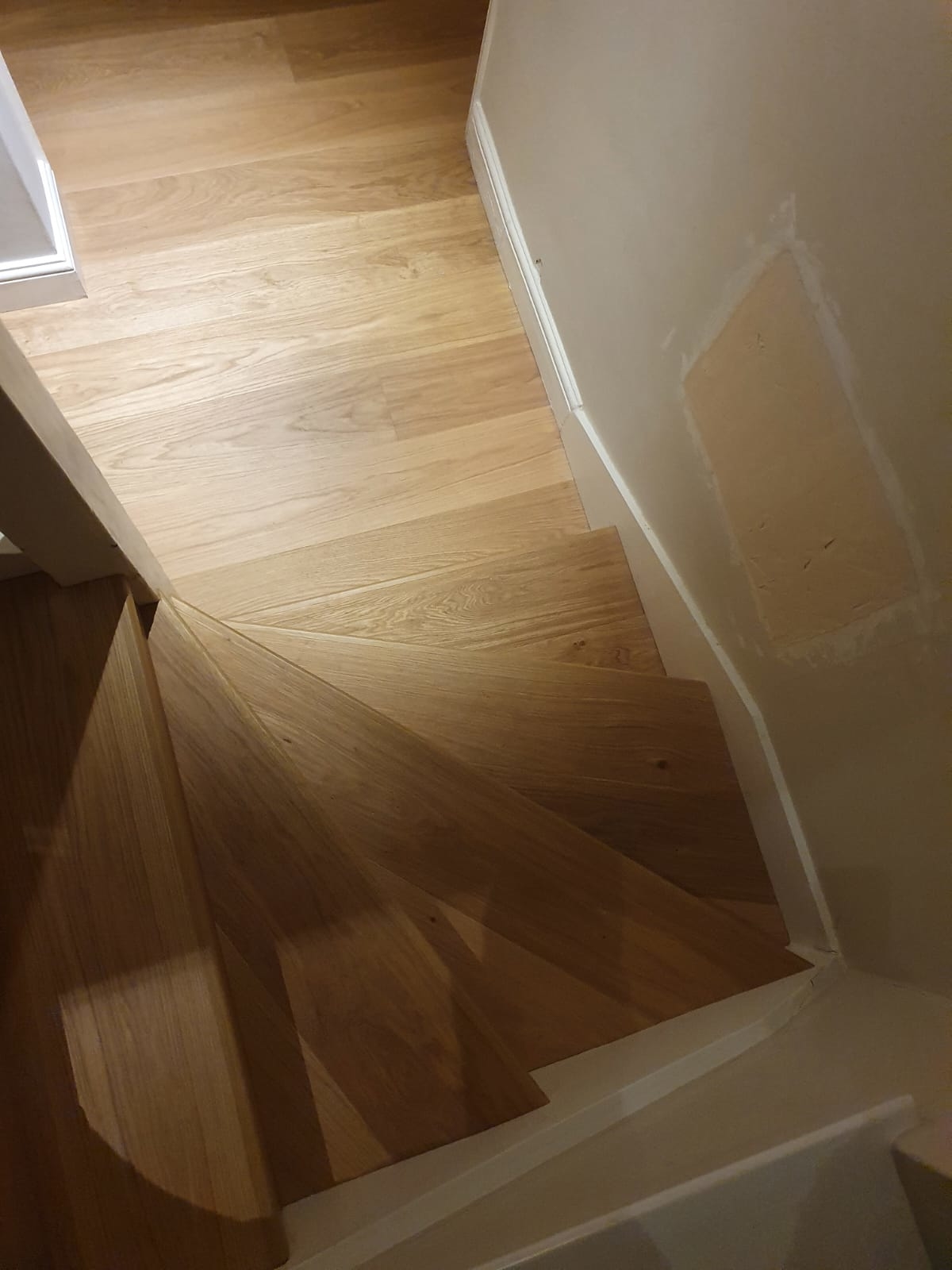
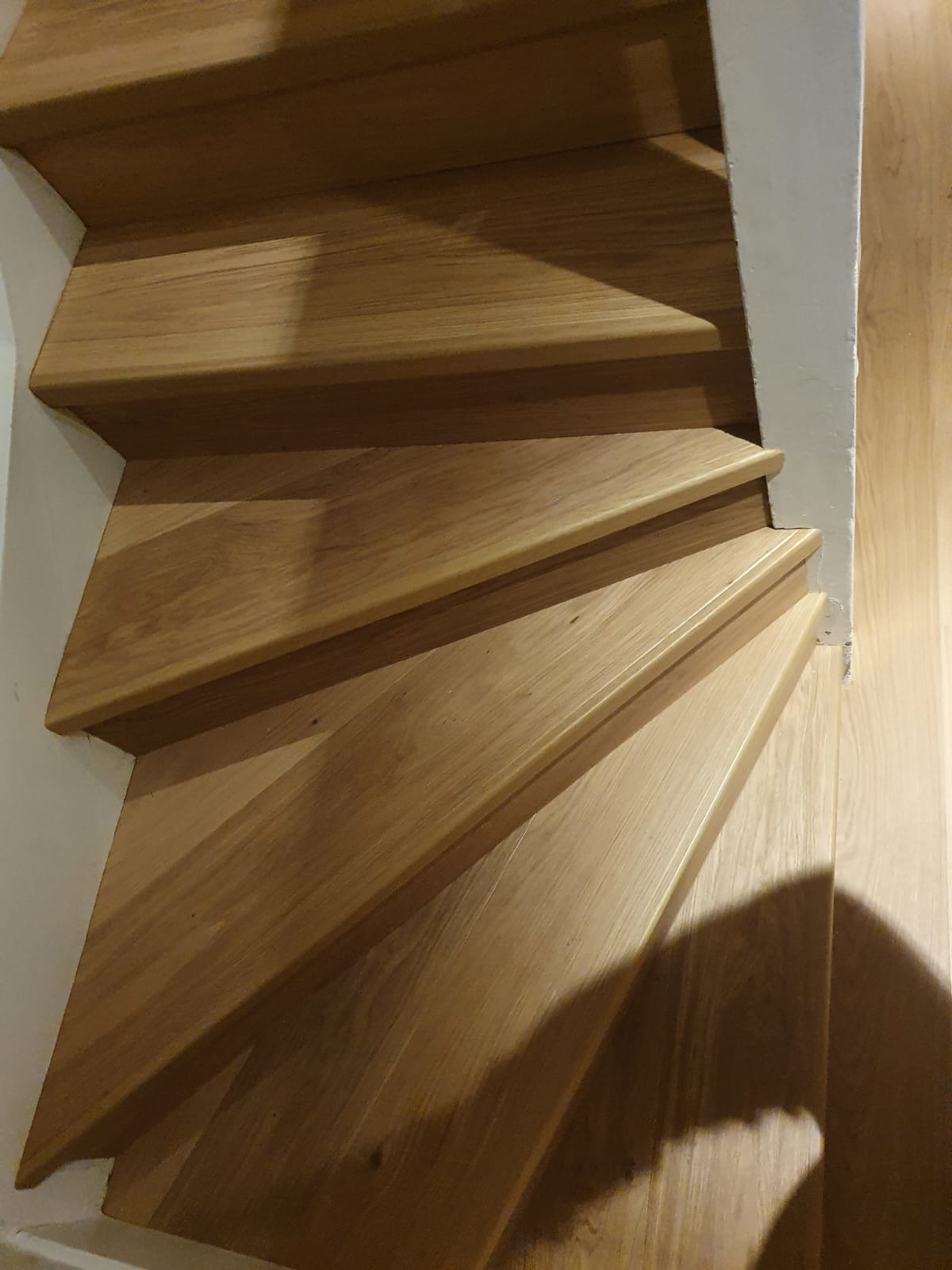
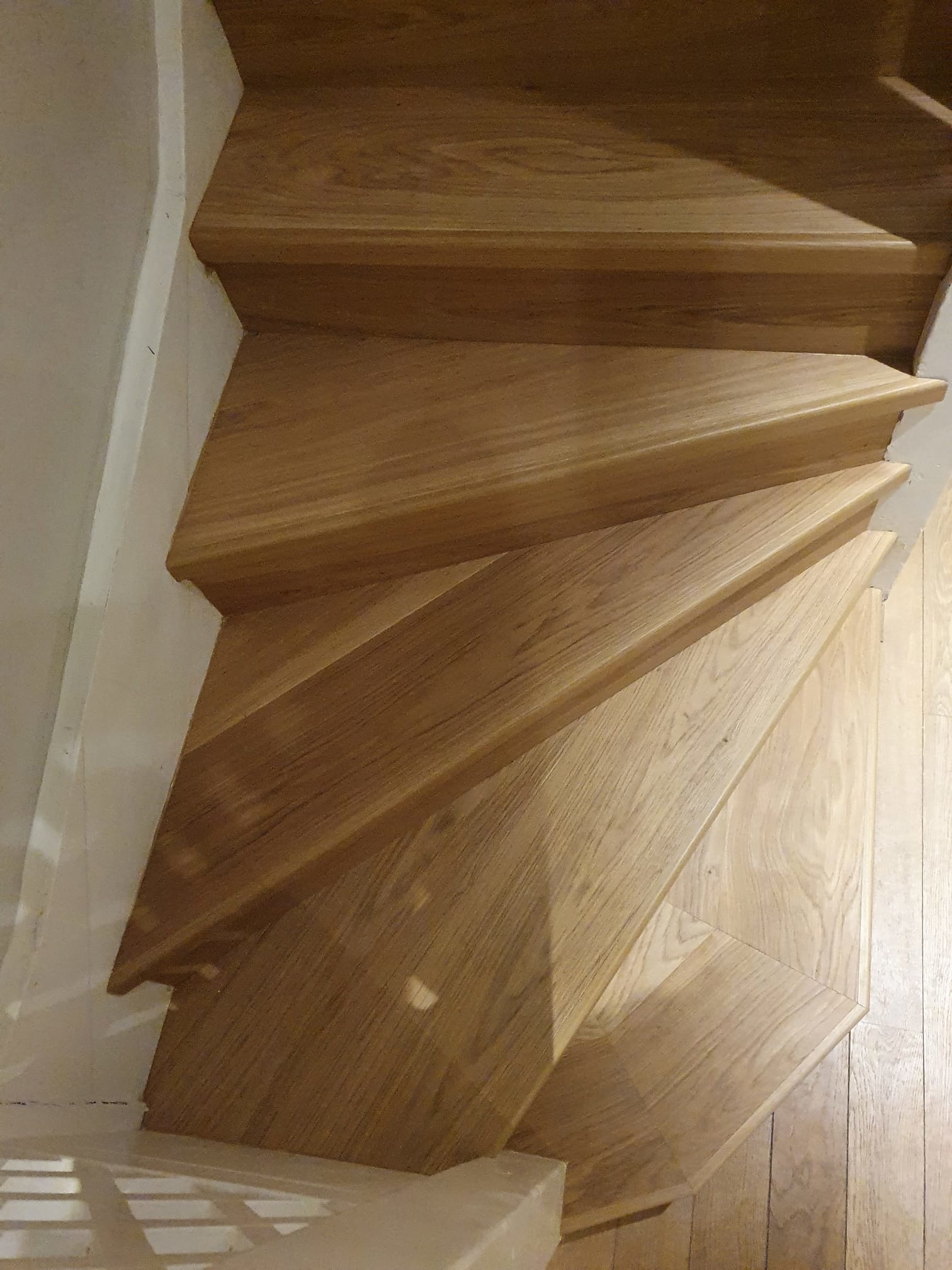
Project Overview This was one of our more comprehensive fitting jobs in Hendon, covering the full removal of old floorboards, the installation of new hardwood flooring, new skirting boards and beading throughout. The property had worn, tired boards that had become uneven in places, and the skirting had seen better days. The clients wanted a complete upgrade rather than a repair, and chose a qualit...

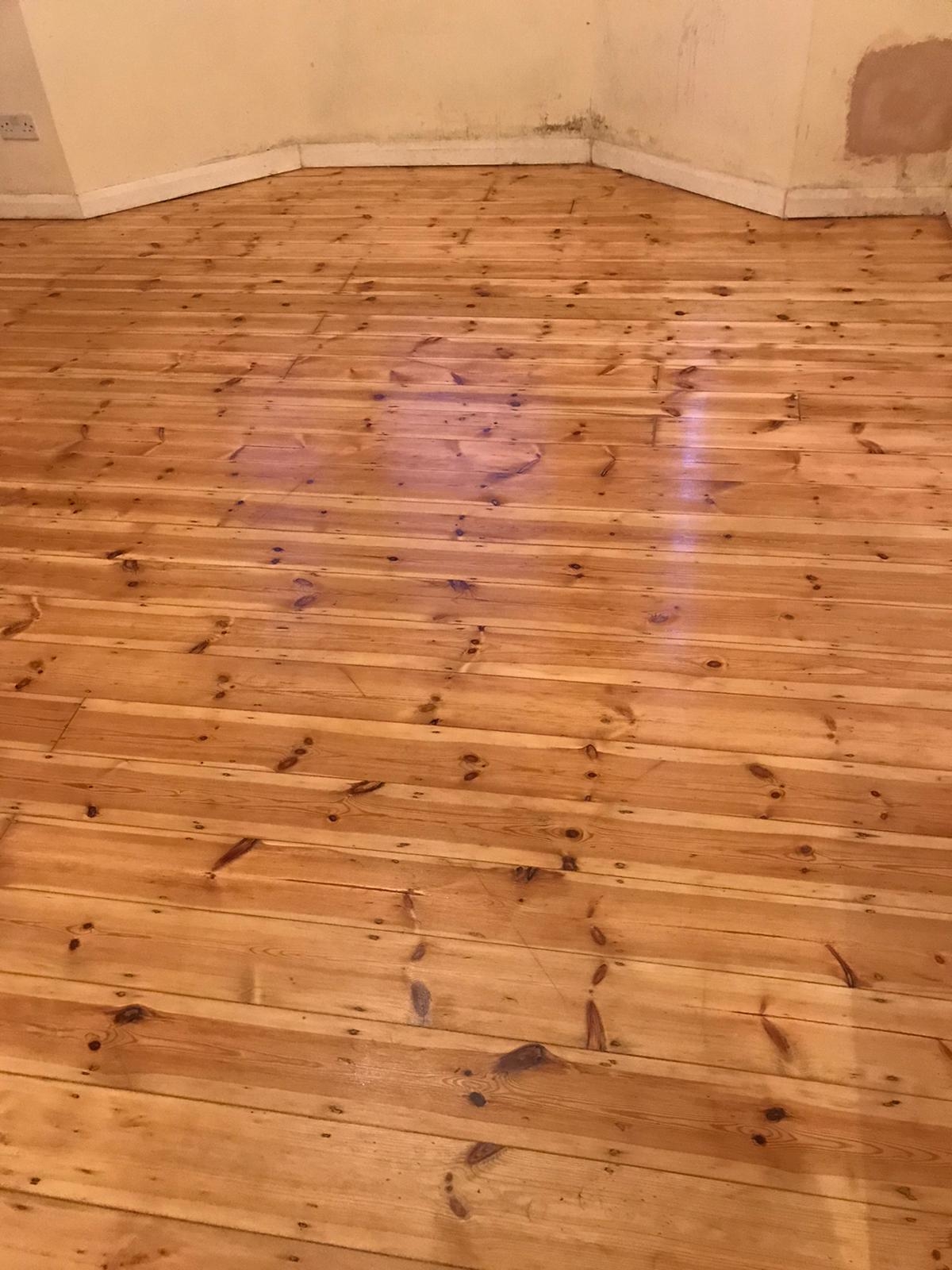
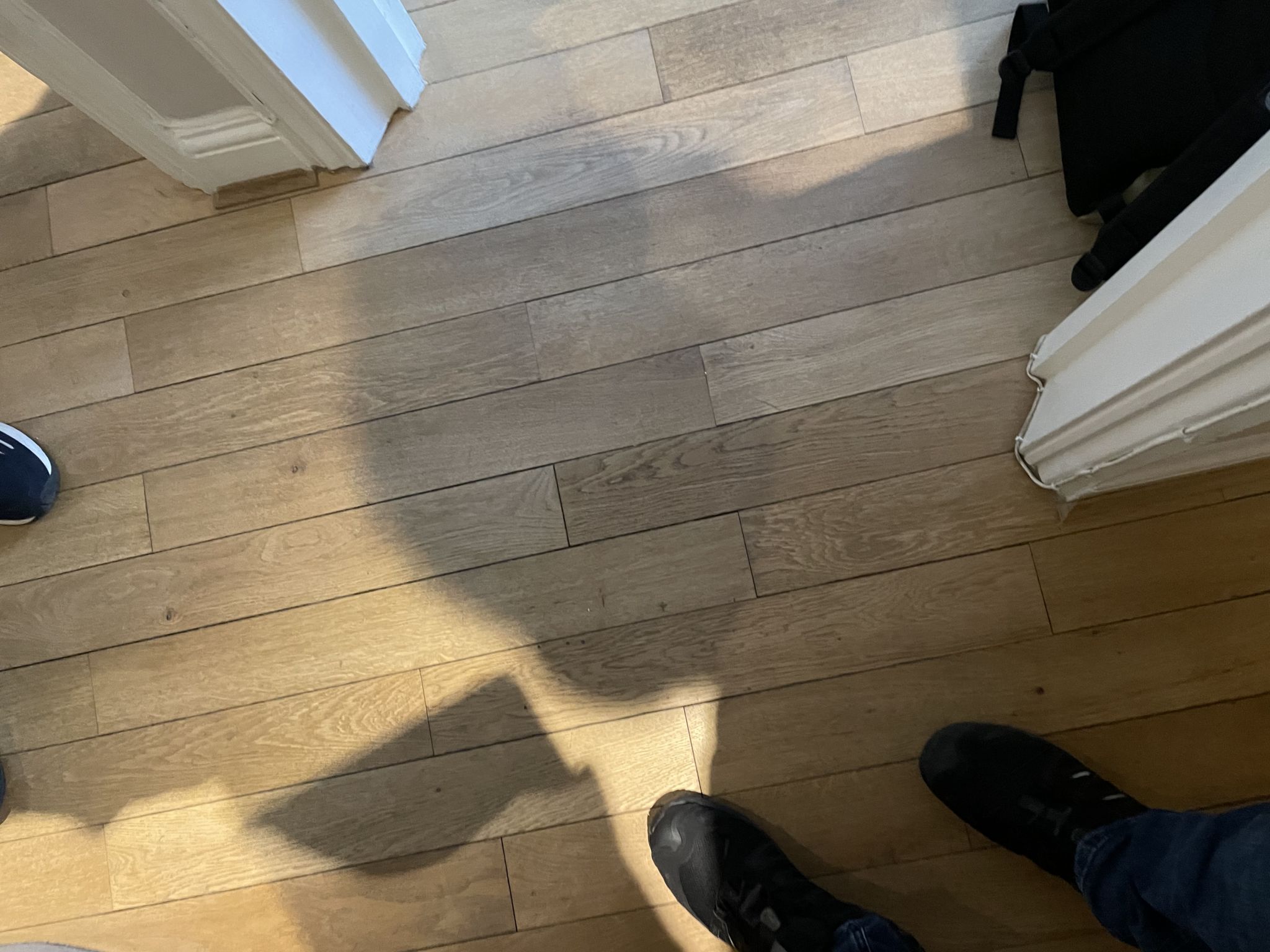
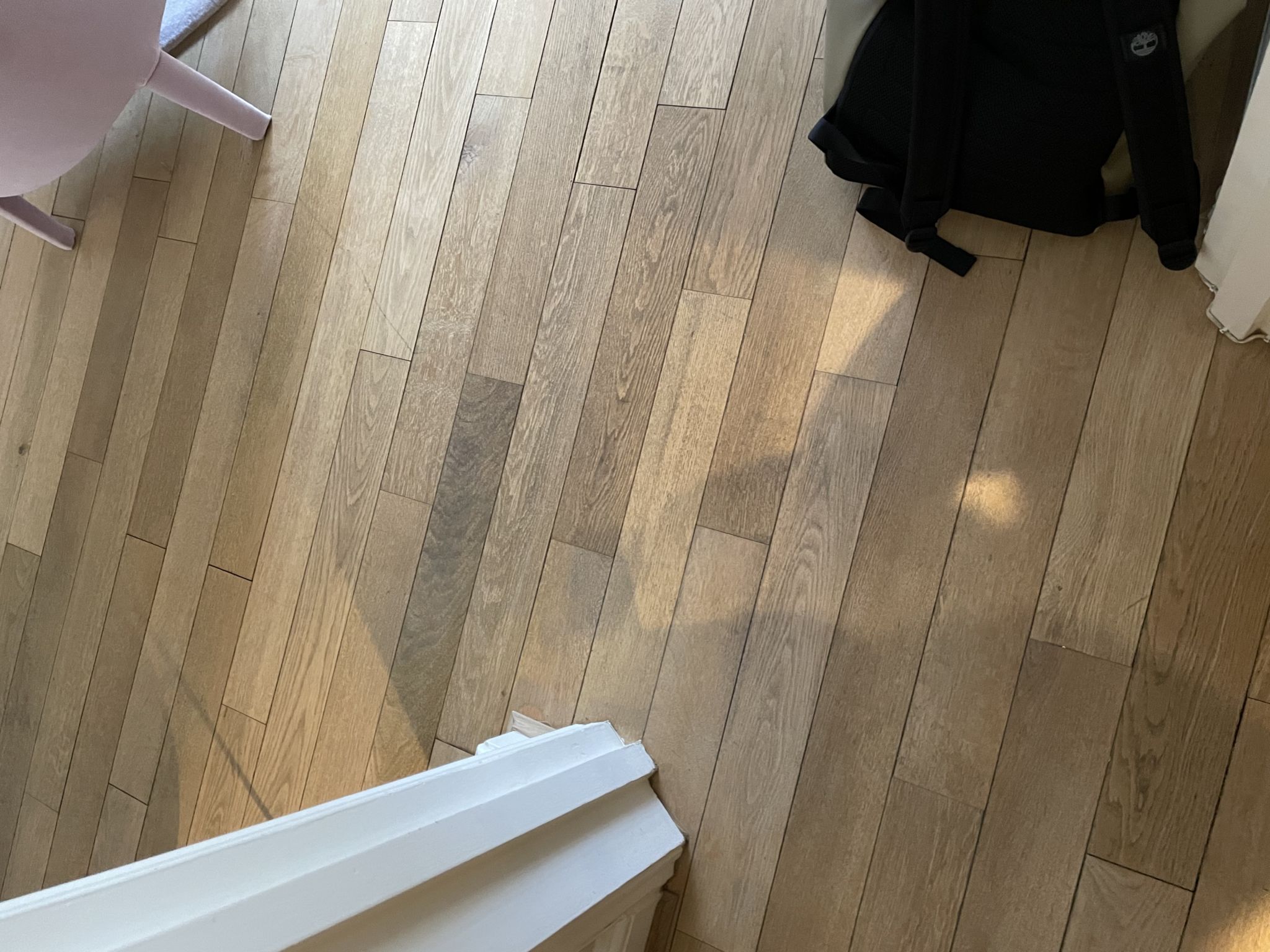
Project Overview

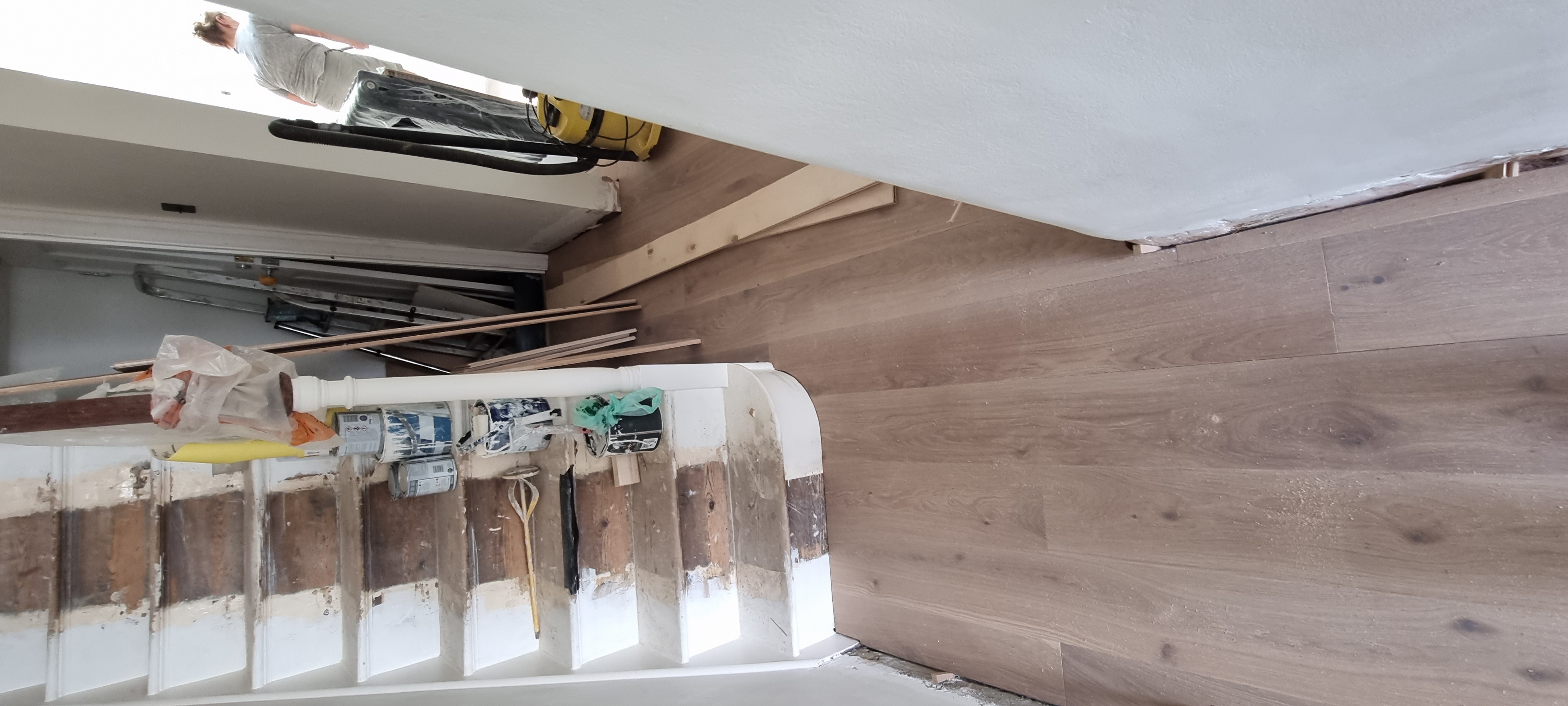
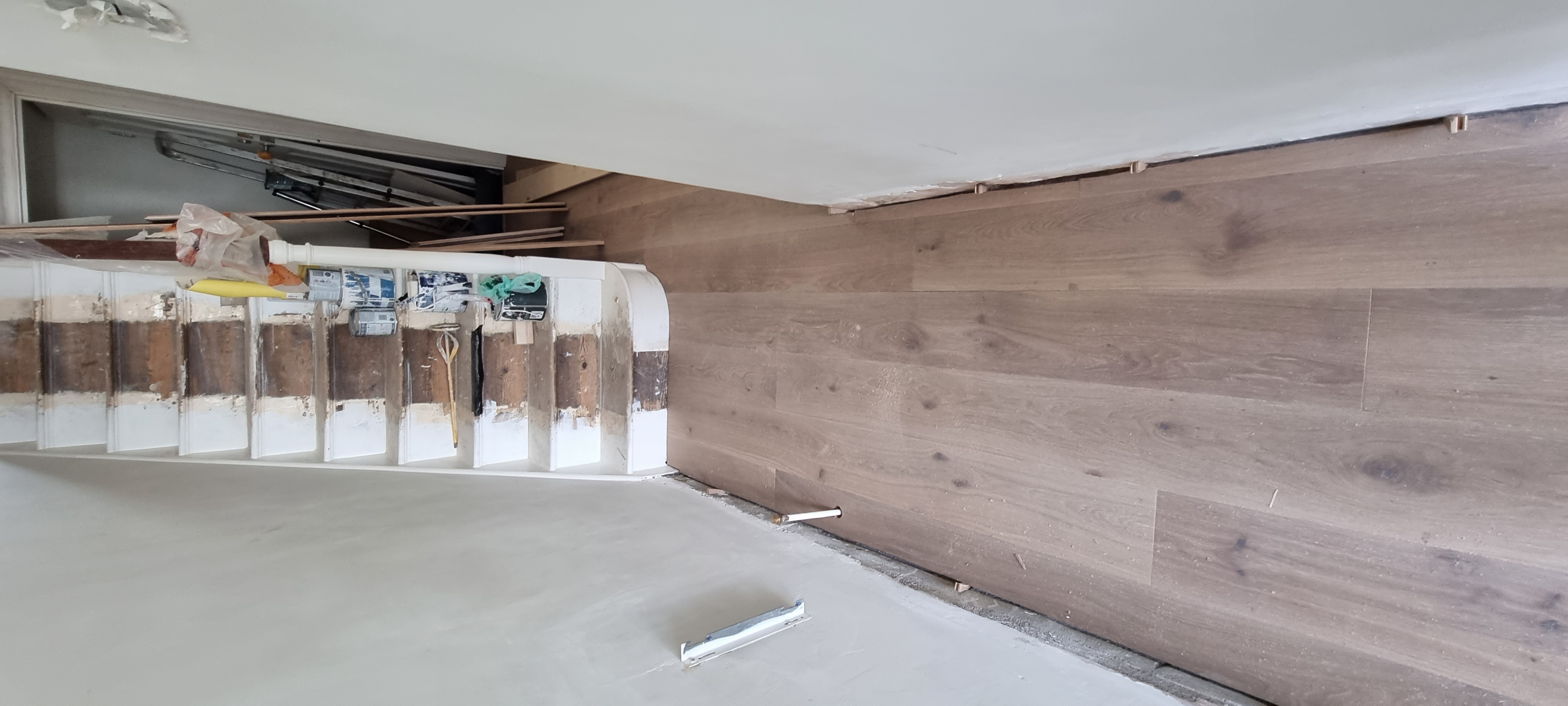
This was one of our more comprehensive fitting jobs in Hendon, covering the full removal of old floorboards, the installation of new hardwood flooring, new skirting boards and beading throughout. The property had worn, tired boards that had become uneven in places, and the skirting had seen better days. The clients wanted a complete upgrade rather than a repair, and chose a quality solid hardwood board to complement the character of the house.

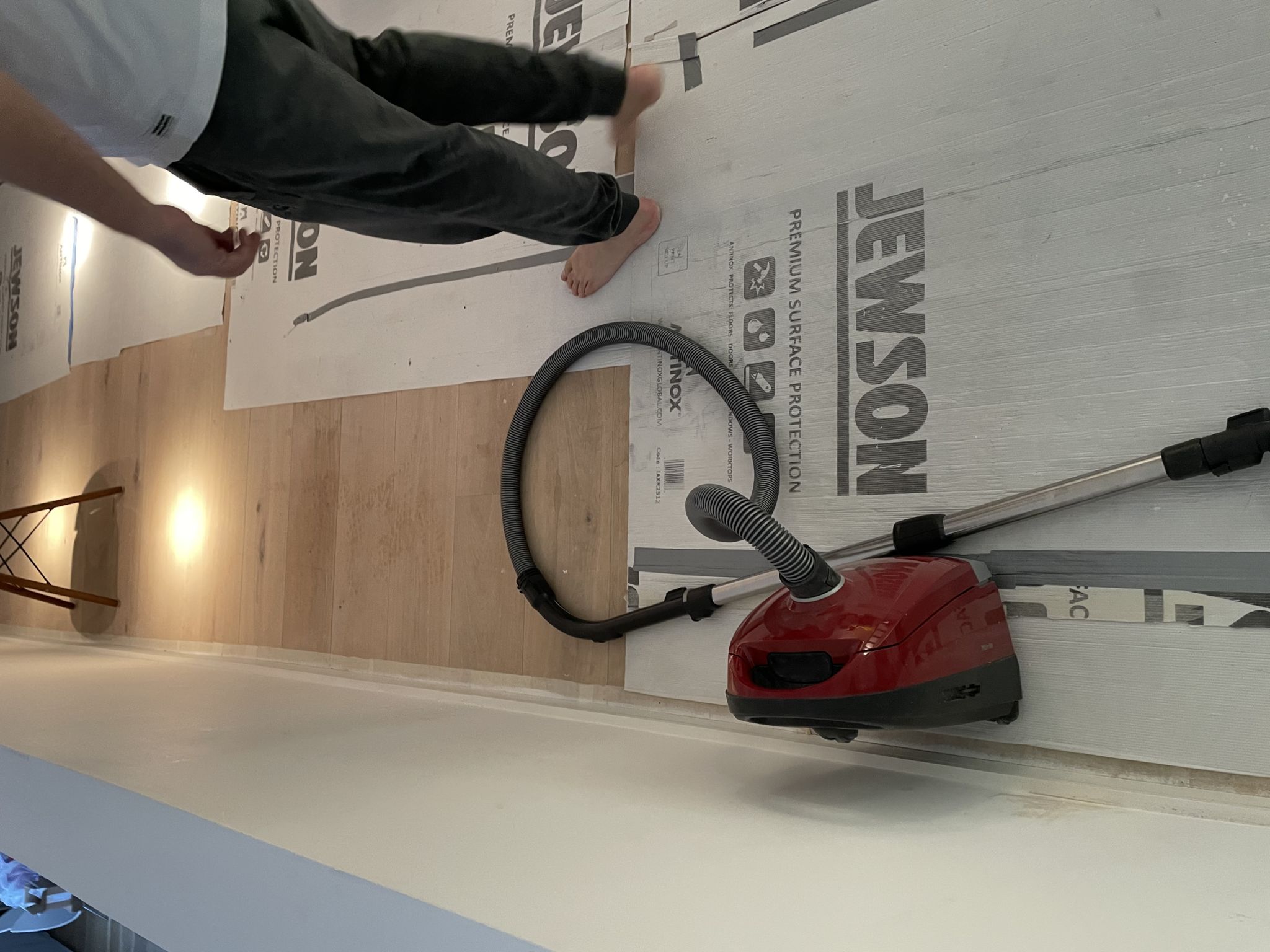
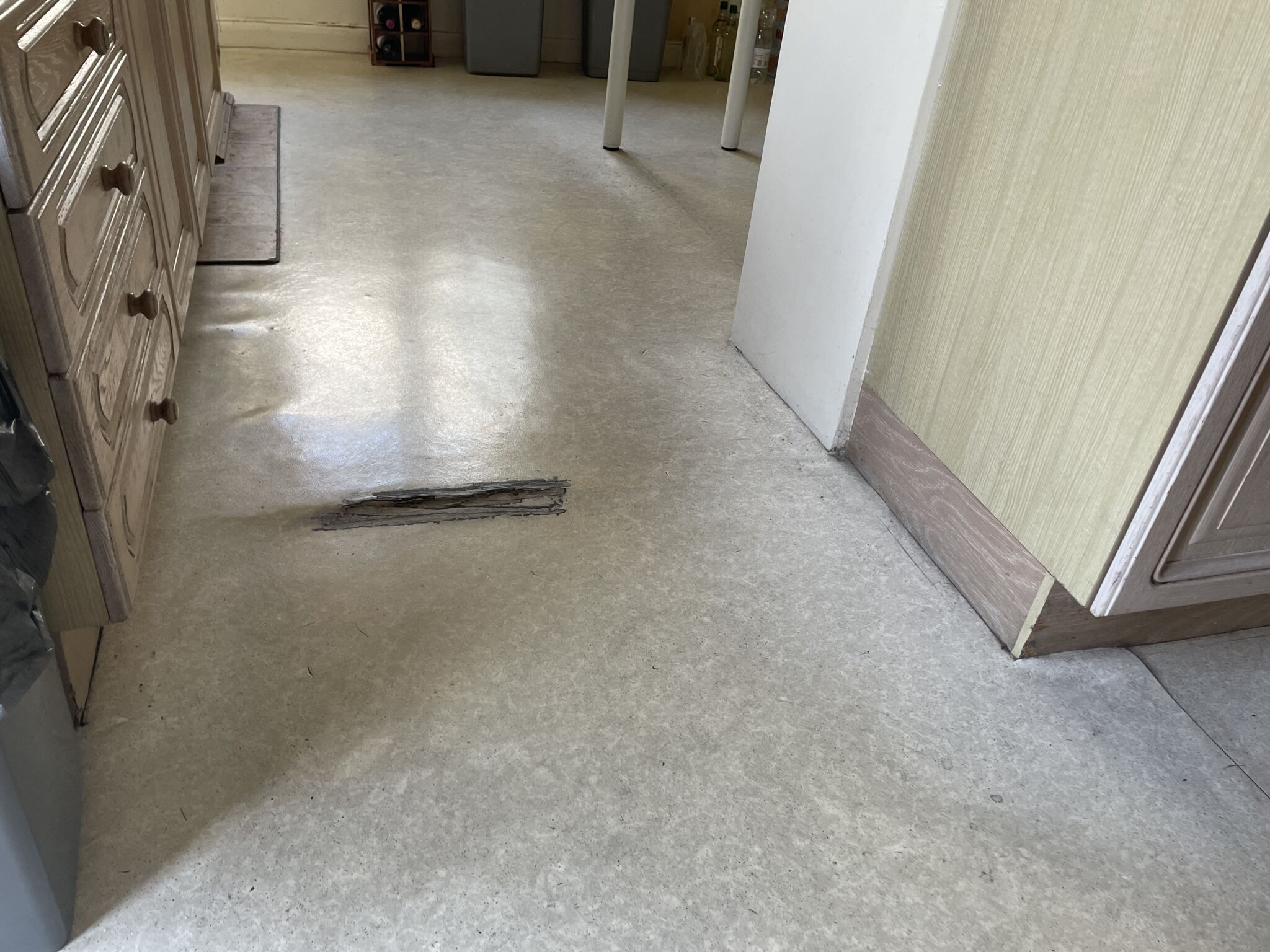
Old flooring before removal in Hendon

The Challenge

The main difficulty with this project was the state of the existing subfloor once the old boards were lifted. Several areas required levelling before the new hardwood could go down, and some of the fixing points for the skirting needed making good. Getting the subfloor right before fitting is essential -- if the base is not level, even the best hardwood boards will creak and flex over time. We also had to carefully measure and cut the skirting and beading around several doorframes and chimney breast alcoves, which required precise mitring on site.

Our Approach

  • Strip out: Old floorboards were carefully removed and the subfloor was cleaned back and inspected.
  • Subfloor preparation: Any high spots were planed down and low areas filled with a self-levelling compound, which was allowed to cure fully before fitting began.
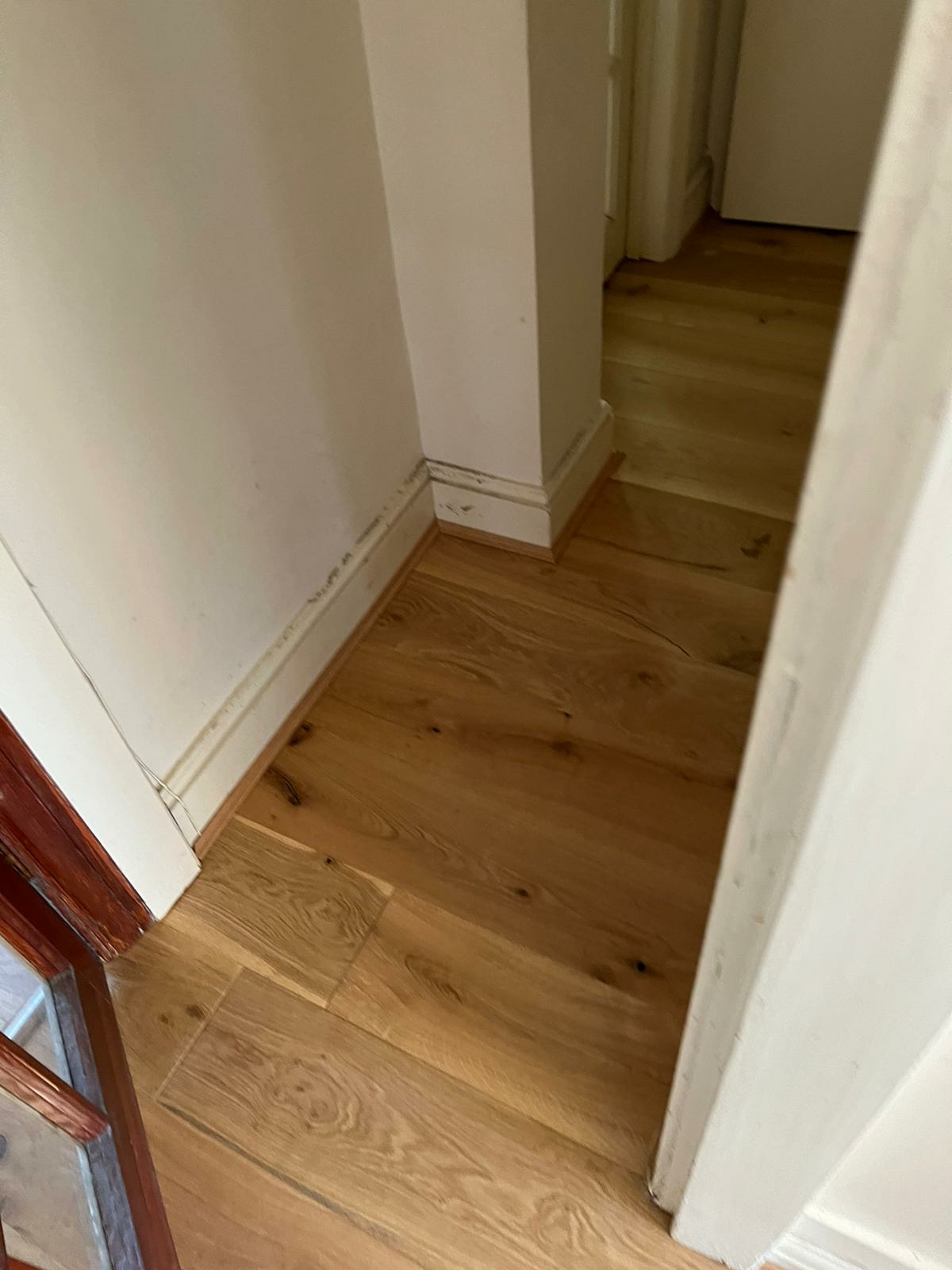
  • Hardwood installation: New hardwood boards were laid and secret-nailed along the length of each room, working from a straight baseline. Boards were staggered for strength and visual consistency.
  • Skirting and beading: New skirting boards were fitted to all walls, cut and mitred at corners. Beading was run along the floor-to-skirting junction to give a clean finish and allow for natural board movement.
  • Final finishing: The floor was given a light sand and a coat of protective oil to bring out the grain and protect the surface from day one.
Hardwood floor being fitted in Hendon

The Result

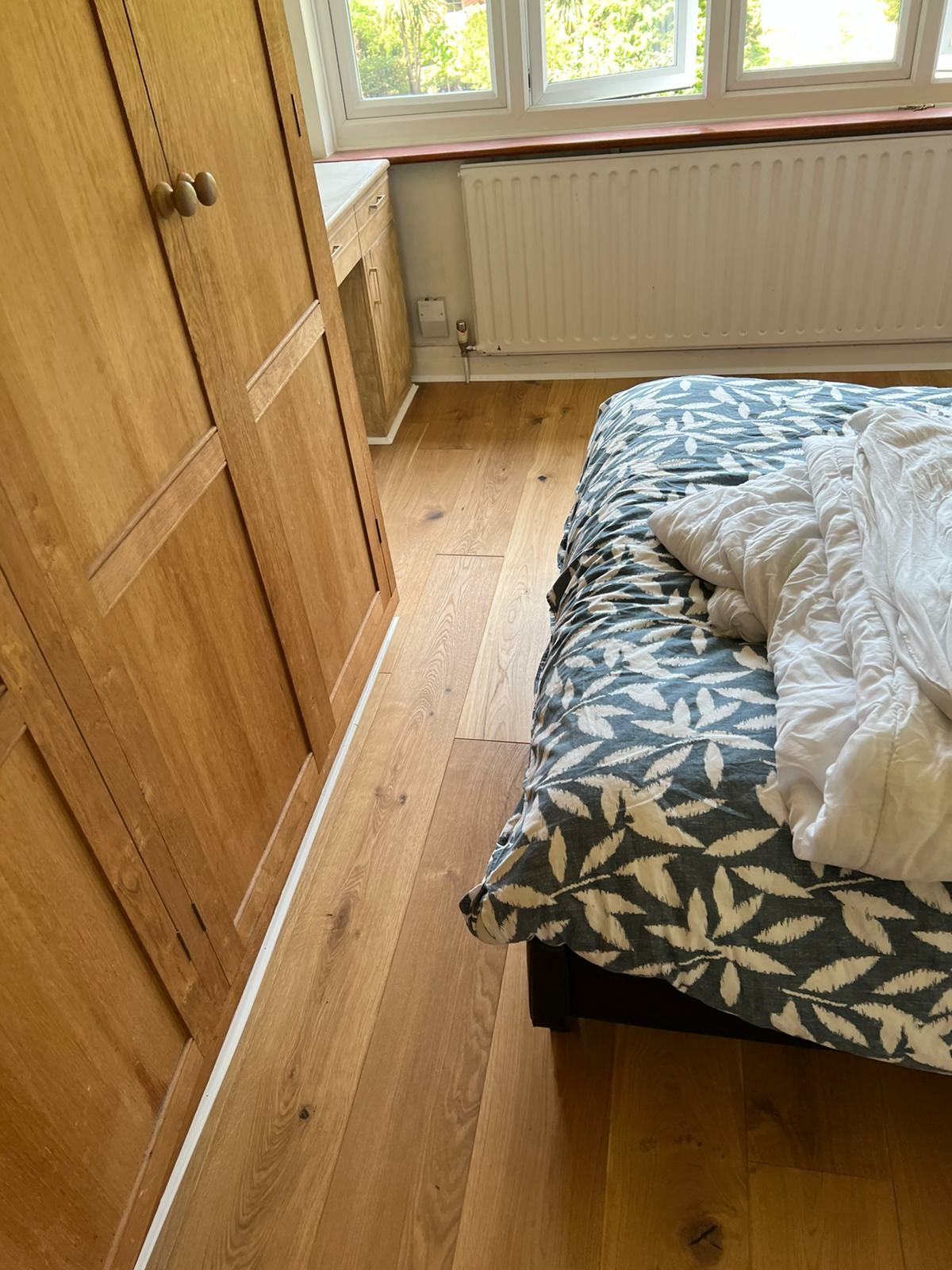
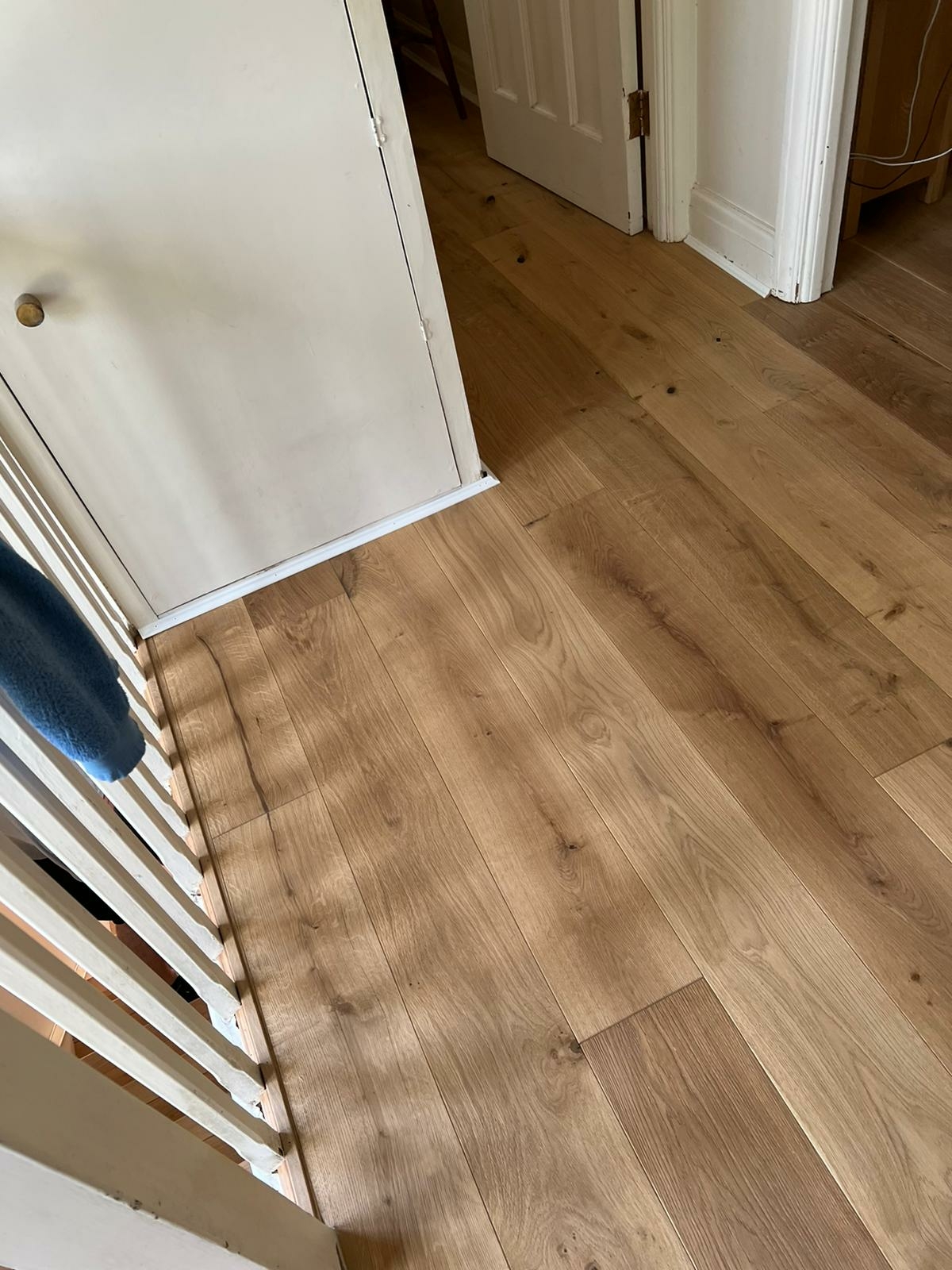
The transformation was striking. What had been a tired and uneven floor became a well-fitted, fresh hardwood installation with clean skirting lines throughout. The clients said the rooms felt completely different -- brighter and much more in keeping with the age of the property. Hardwood floor fitting in London typically costs between £35 and £60 per square metre for supply and fit, depending on board species and room complexity. This project came in well within that range and delivered a finish the clients were very happy with.

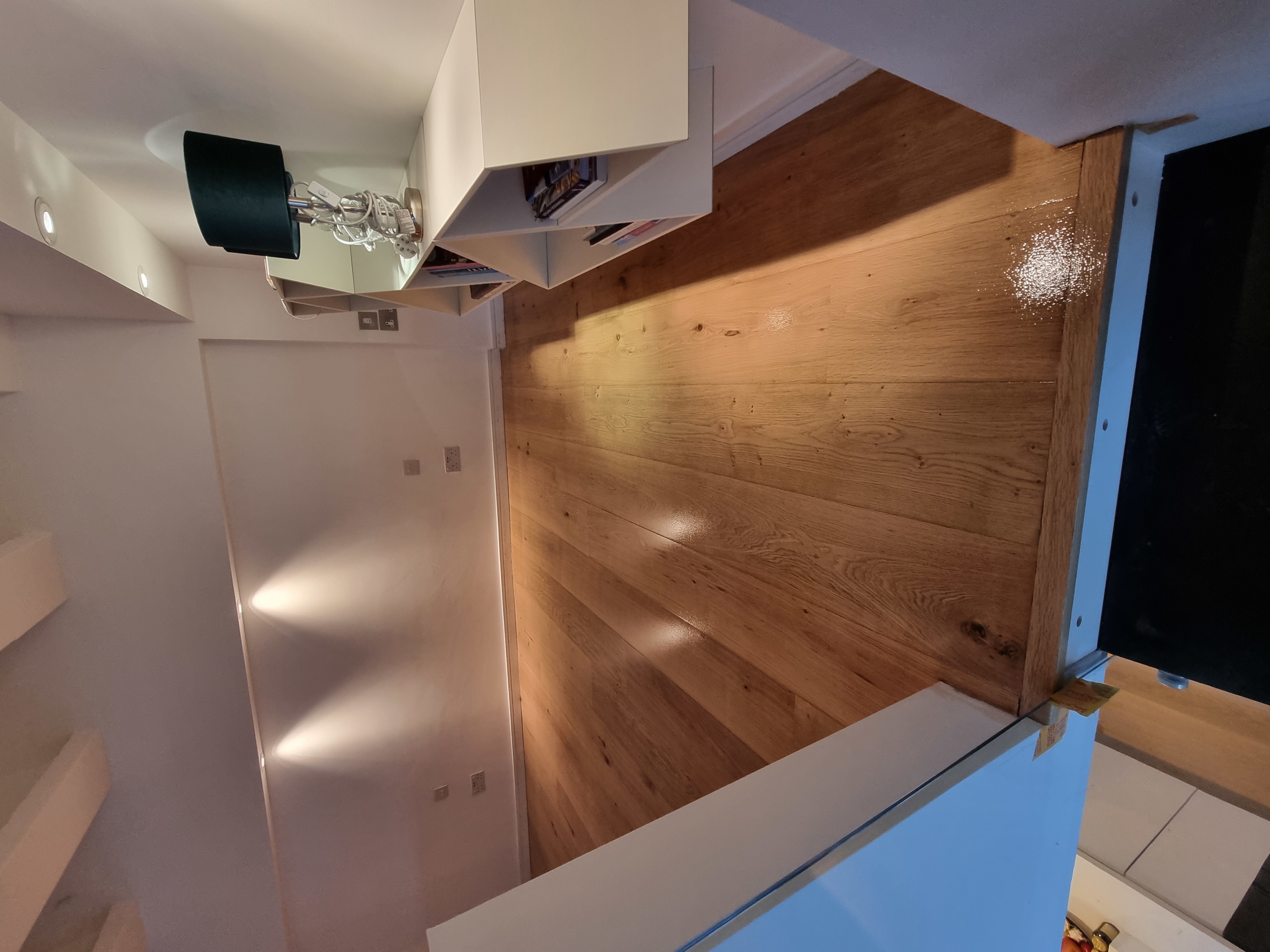
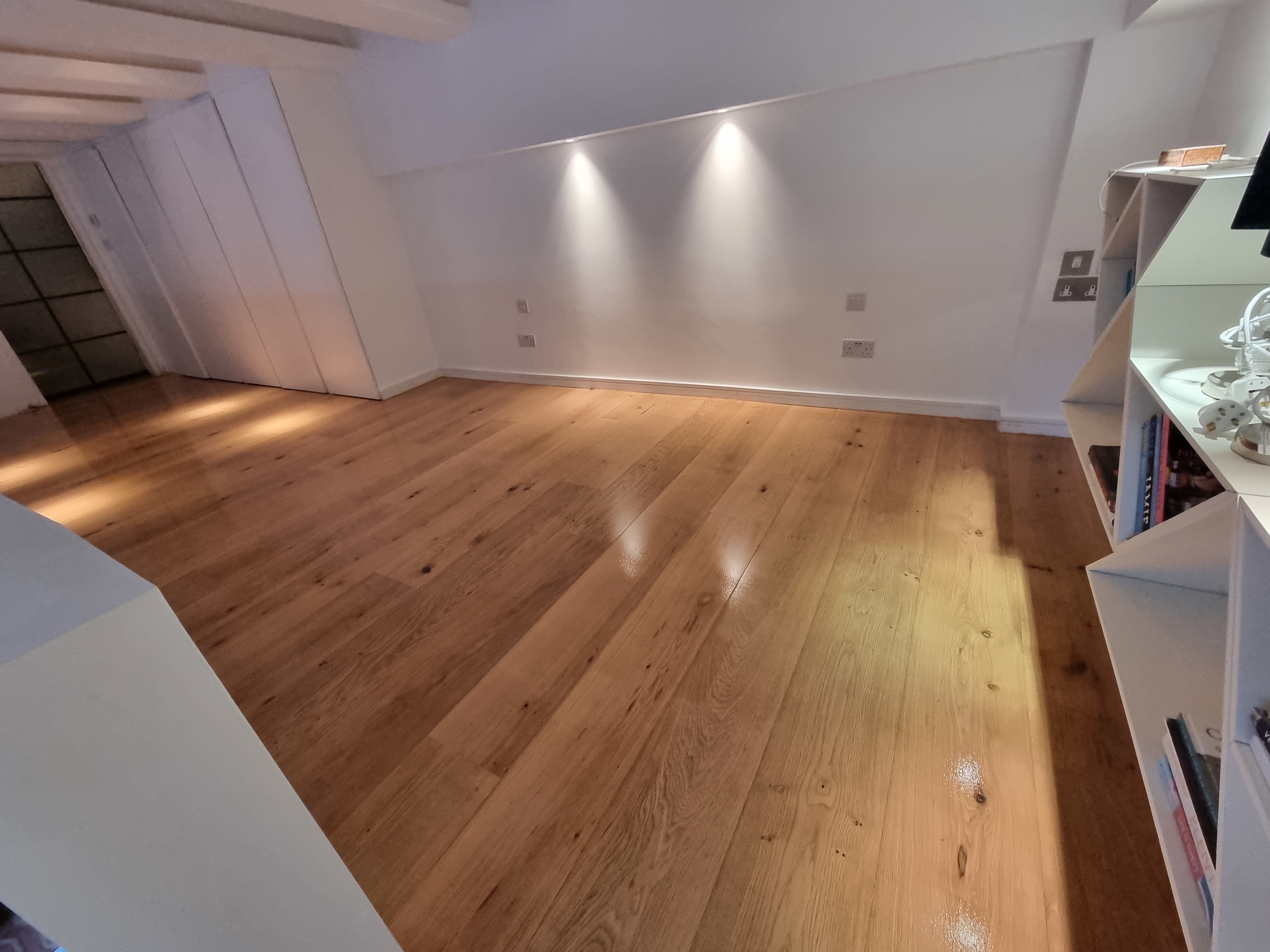
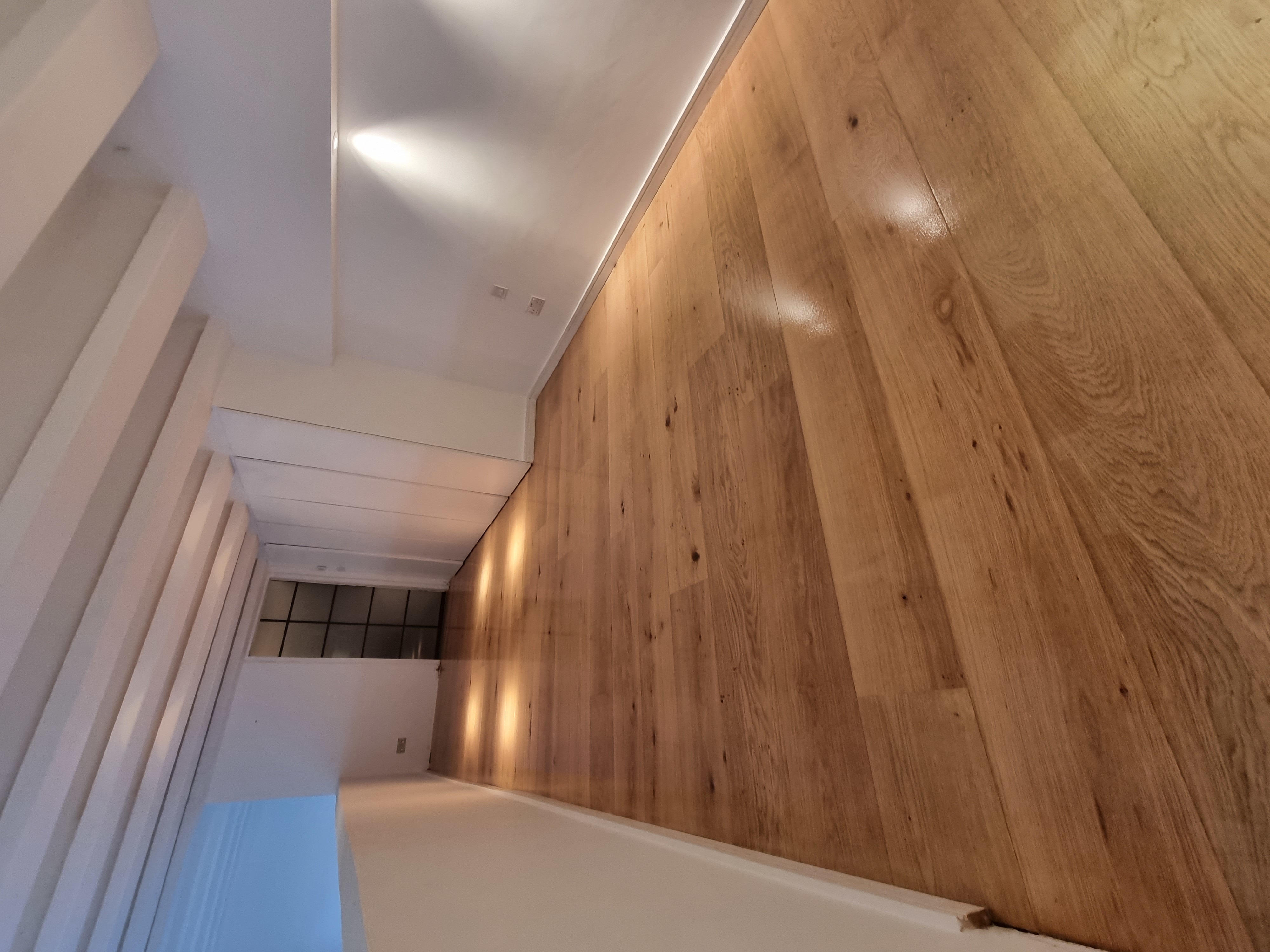
Completed hardwood floor and skirting in Hendon

Frequently Asked Questions

Do you remove the old flooring as part of the fitting service?
Yes. Strip-out of the existing floor is included in most of our fitting quotes. We also deal with responsible disposal of the old materials.

Does hardwood flooring work with underfloor heating?
Many hardwood species are compatible with underfloor heating systems, provided the boards are properly acclimatised and the floor temperature does not exceed the recommended maximum. We can advise on suitable species at the survey stage.

Do you fit skirting boards as a standalone service?
Yes, we can fit and finish skirting boards independently of a flooring project. Get in touch and we will arrange a visit to measure up and provide a quote.

Have a similar project? Call us on 020 88309782 or Book a Free Site Visit

Show more
  • 1
  • 2
  • 3
  • 4
  • 5
  • 6
  • 7
  • 8
  • 9
  • 10
  • 11
  • 12
  • 13
  • 14
  • 15
  • 16
  • 17
  • 18
  • 19
  • 20
  • 21
  • 22
  • 23
  • 24
  • 25
  • 26
  • 27
  • 28
  • 29
  • 30
  • 31
  • 32
  • 33
  • 34
  • 35
  • 36
  • 37
  • 38
  • 39
  • 40
  • 41
  • 42
  • 43
  • 44
  • 45
  • 46
  • 47
  • 48
  • 49
  • 50
  • 51
  • 52
  • 53
  • 54
  • 55
  • 56
  • 57
  • 58
  • 59
  • 60
  • 61
  • 62
  • 63
  • 64
  • 65
  • 66
  • 67
  • 68
  • 69
  • 70
  • 71

Our Flooring Company

Contacts & Showroom Book Free Site Survey About Our Flooring Company Join Our Team Work as a Contractor

Service Information

Terms of Service Terms of Sales Deliveries & Charges Cookie Settings Returns Policy

Help

FAQs Case Studies Sitemap Glossary
FlooringFirst! Services
158 Coles Green Road
London, NW2 7HW
T: 020 88309782
Floor Sanding Services: Central London, East London, Near London, North London, Northwest London, Southeast London, Southwest London, West London
Wood Foor Installation Service: Central London, East London, Near London, North London, Northwest London, Southeast London, Southwest London, West London

  • Flooring Services
  • Floor Sanding
    • Wood Floor Staining
    • Wood Floor Gap Filling
    • Commercial Floor Sanding
    • Engineered Floor Sanding & Refinishing
  • Wood Floor Fitting
    • Parquet Floor Installation
    • Laminate Floor Installation
    • Engineered Wood Floor Installation - Supply & Fit
    • Solid Wood Floor Fitting - Supply & Fit
    • LVT Floor Installation - Supply & Fit
  • Floor Repairs
    • Parquet Floor Repair and Restoration
    • Engineered Wood Floor Repairs
    • Wood Floor Scratch Repair
    • Floorboards Replacement
  • Care & Maintenance
    • Re-Oiling & Recoating Oiled Floors
    • Vinyl & Linoleum Cleaning
    • Hardwood Floor Buffing
    • Wood Floor Polishing
  • Shop
  • Shop
  • Gallery
  • Service Guide
  • Bookings
  • Book Free Survey
  • Service Advice
  • Product Advice