Project Overview
This project involved the professional sanding and restoration of an existing wood floor at a property in Lewisham, SE4. The floor had seen years of daily wear and was in need of attention to bring it back to a quality finish. Our team carried out a full assessment before starting work, checking for any boards that needed attention alongside the main sanding and finishing work.
...
Project Overview
This project involved the professional sanding and restoration of an existing wood floor at a property in Lewisham, SE4. The floor had seen years of daily wear and was in need of attention to bring it back to a quality finish. Our team carried out a full assessment before starting work, checking for any boards that needed attention alongside the main sanding and finishing work.
Before the Work
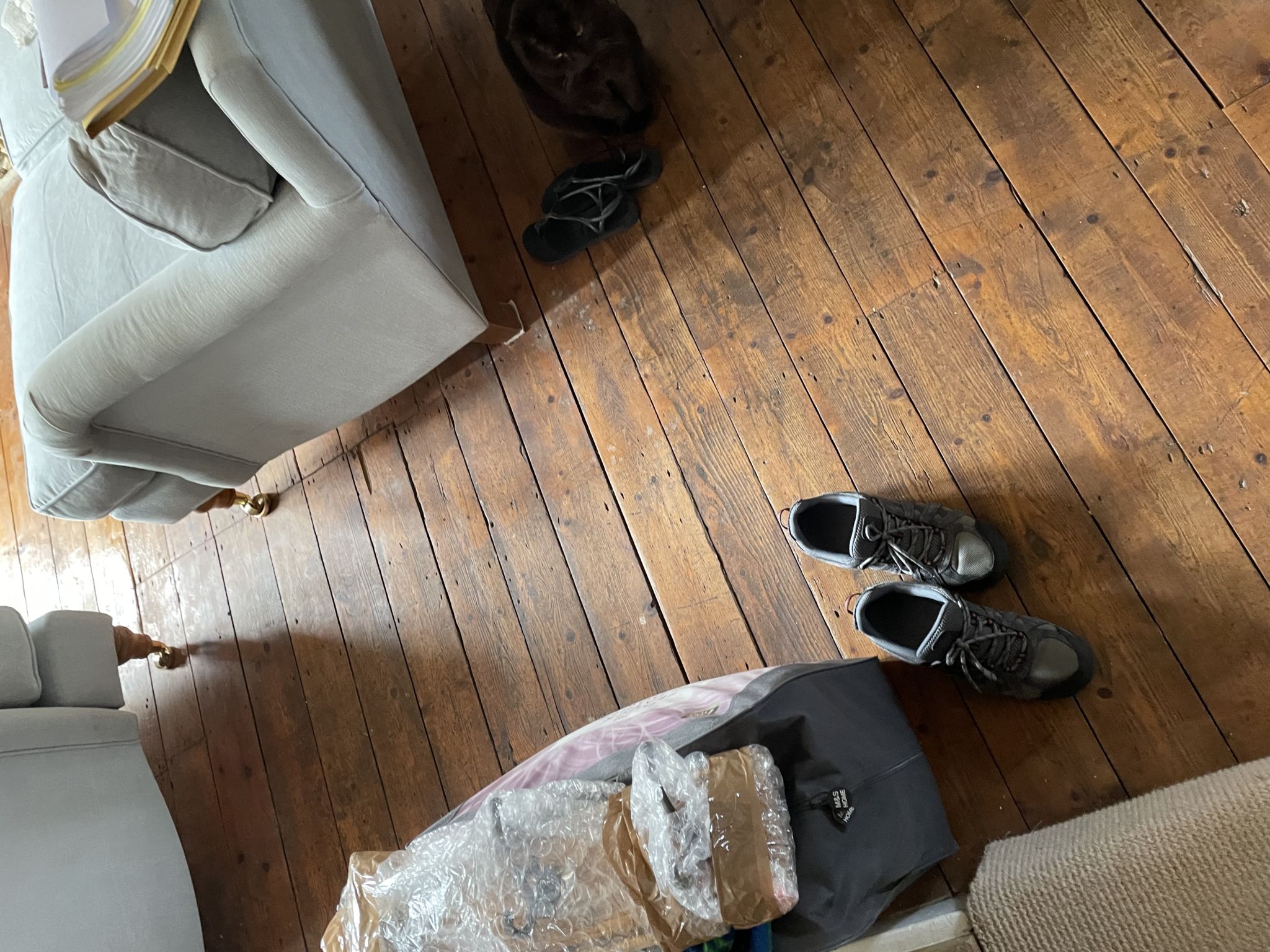
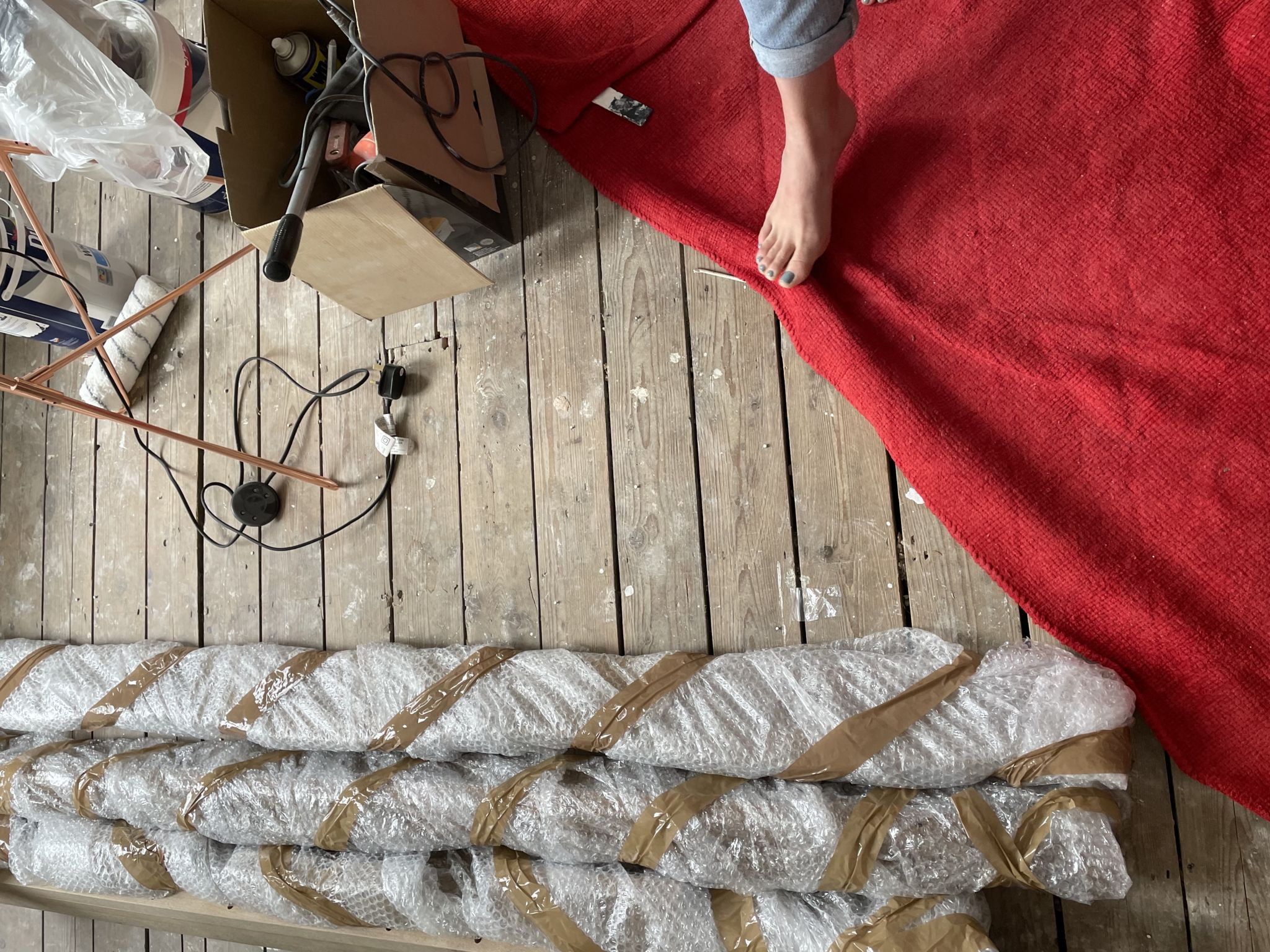
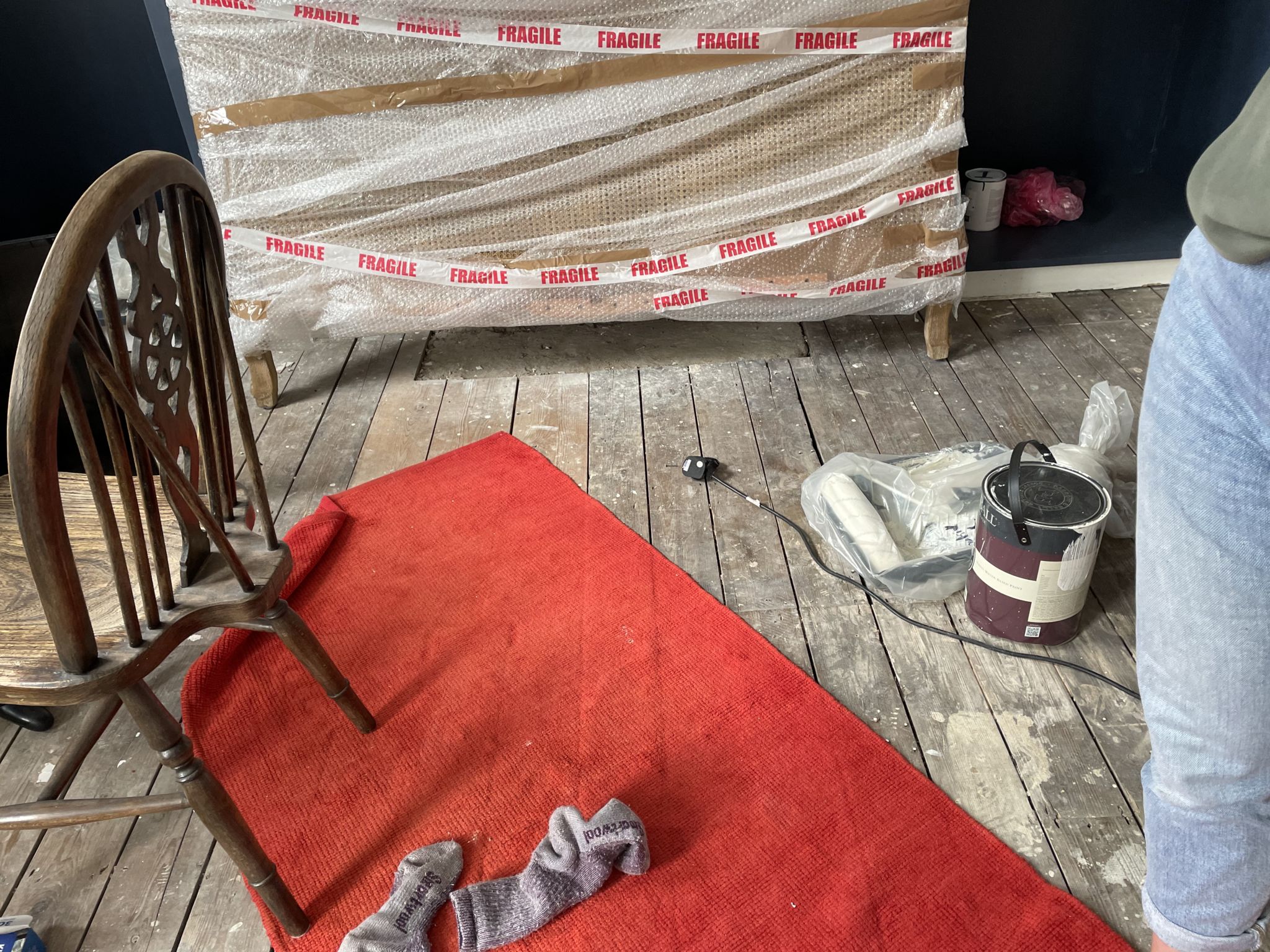
Before work began, the floor showed typical signs of wear. Surface scratches, dull patches, and general finish deterioration were present. A thorough survey was carried out to plan the correct sanding depth, assess board condition, and choose the most appropriate finish for the space.
Survey photos showing the floor condition before work:
Our Approach
The following services were carried out as part of this project:
- Floorboards - Replacement (incl. materials)
- Floorboards - Sand, Buff & Lacquer
- Gap Filling - Pine Slivers
The Result
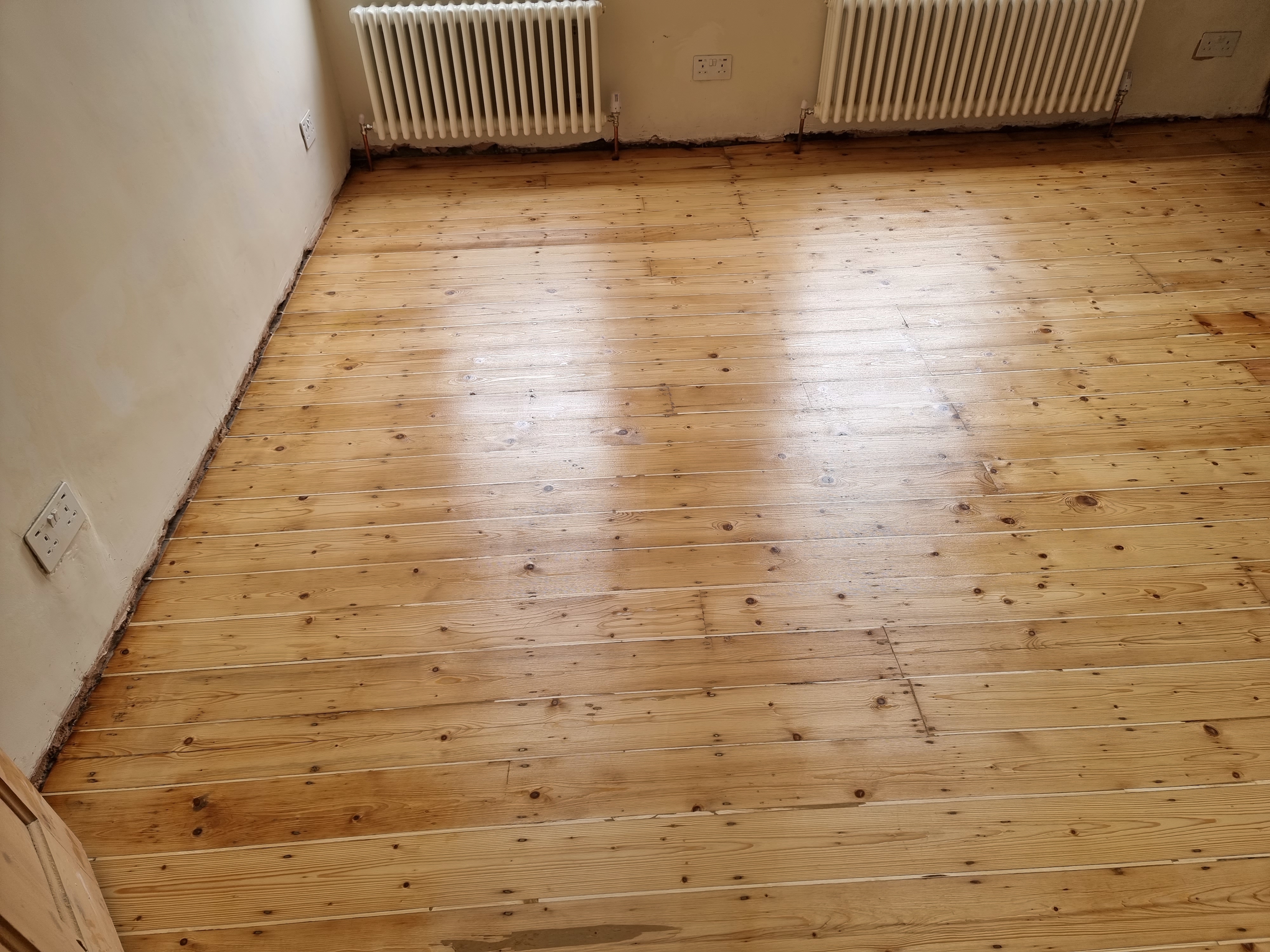
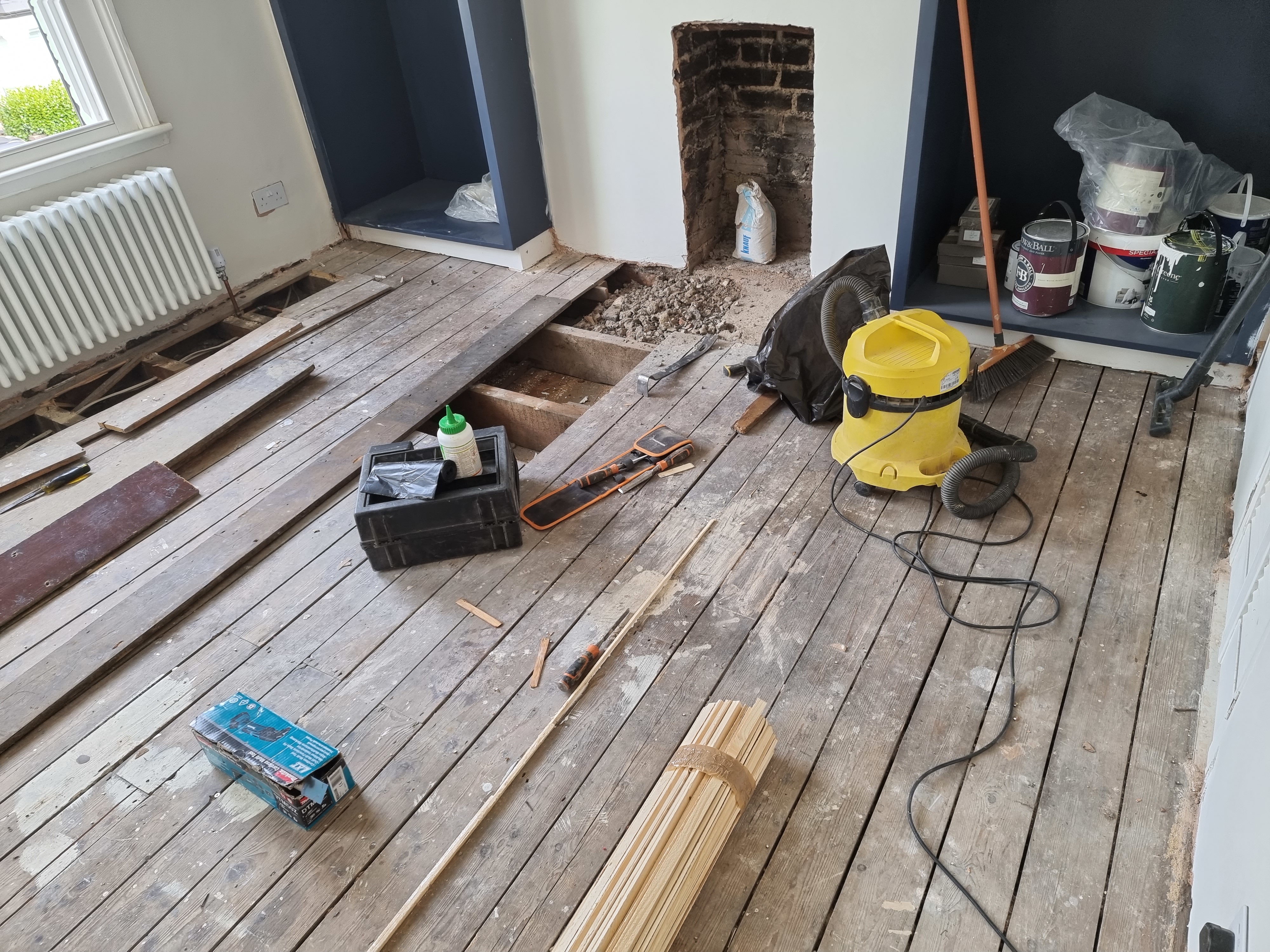
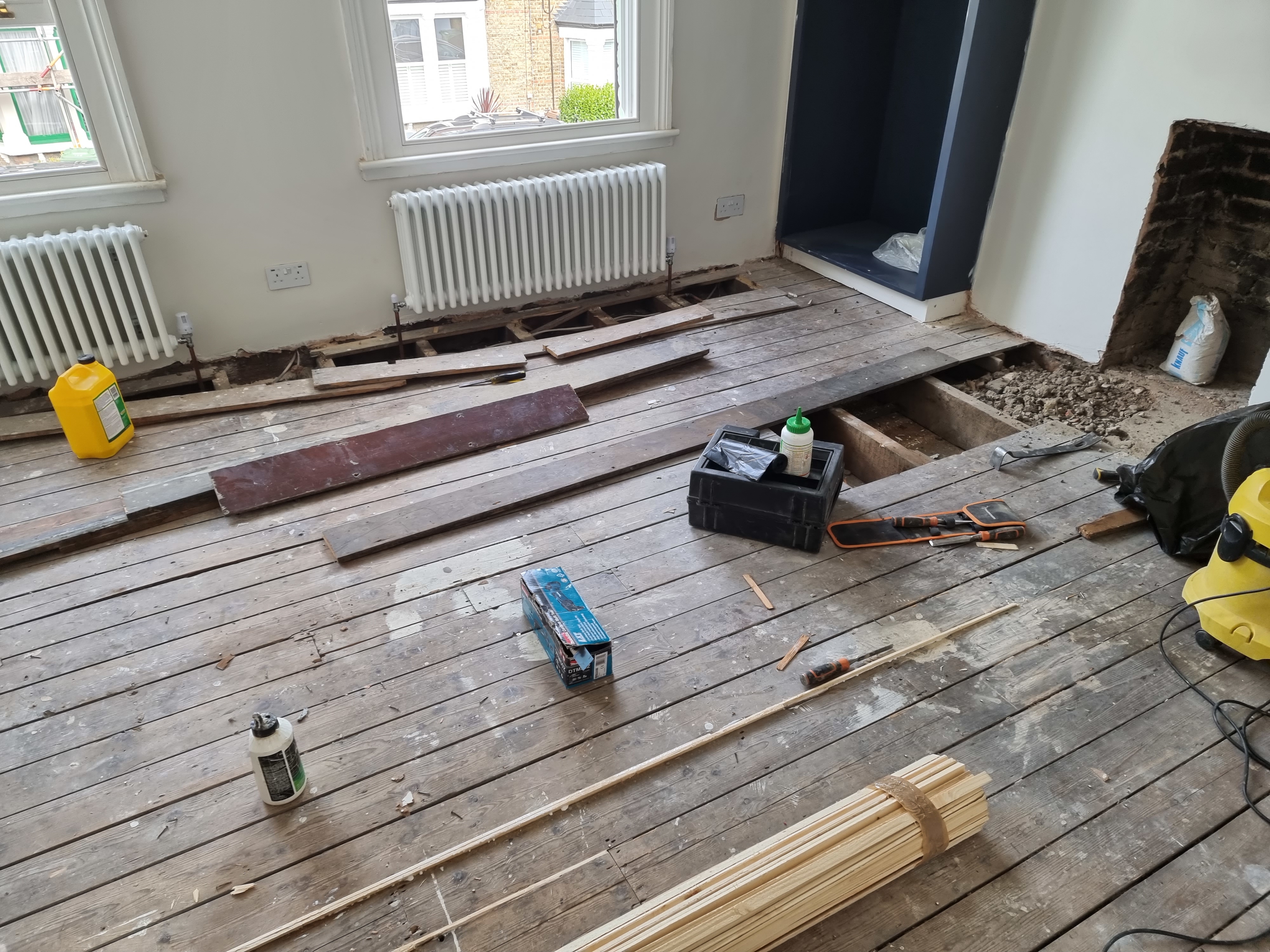
Once the sanding and finishing process was complete, the floor was transformed. The wood grain was opened up and brought back to life, the surface was smooth and even, and the new finish provided lasting protection. The client was left with a floor that looked, and performed, as good as new.
Photos of the completed work:
Frequently Asked Questions
How long does floor sanding take?
Most residential sanding jobs are completed in one to two days, depending on floor size and condition. Lacquering or oiling adds further drying and curing time, which we factor into the job schedule.
Do I need to vacate the property during sanding?
Modern dustless sanding equipment keeps dust to a minimum, but we recommend keeping pets and young children clear of the area during the work. Most clients remain in their property throughout.
How much does floor sanding cost in London?
Prices typically range from £25 to £45 per square metre depending on floor condition, finish type, and any repair work required. Gap filling and board replacement are priced separately if needed.
Have a similar project? Call us on 020 88309782 or Book a Free Site Visit
Show more
Project Overview
This project involved the professional installation of engineered wood flooring at a property in Southwark, SE1. The client required a quality floor that would stand up to daily use and complement their interior. Our fitting team assessed the subfloor condition, carried out any necessary preparation work, and fitted the new floor to a high standard.
Before the Work
Prior to ins...
Project Overview
This project involved the professional installation of engineered wood flooring at a property in Southwark, SE1. The client required a quality floor that would stand up to daily use and complement their interior. Our fitting team assessed the subfloor condition, carried out any necessary preparation work, and fitted the new floor to a high standard.
Before the Work
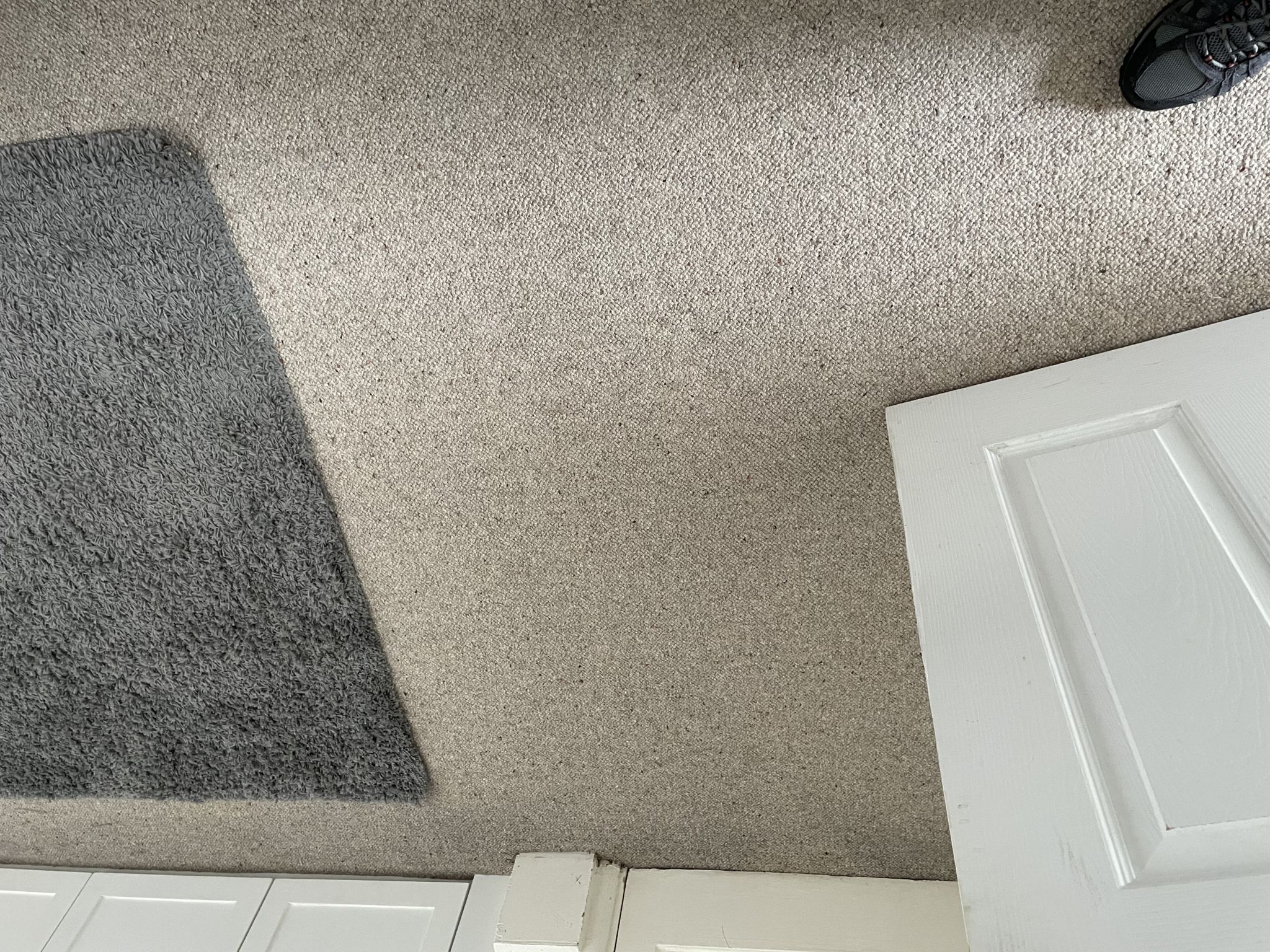
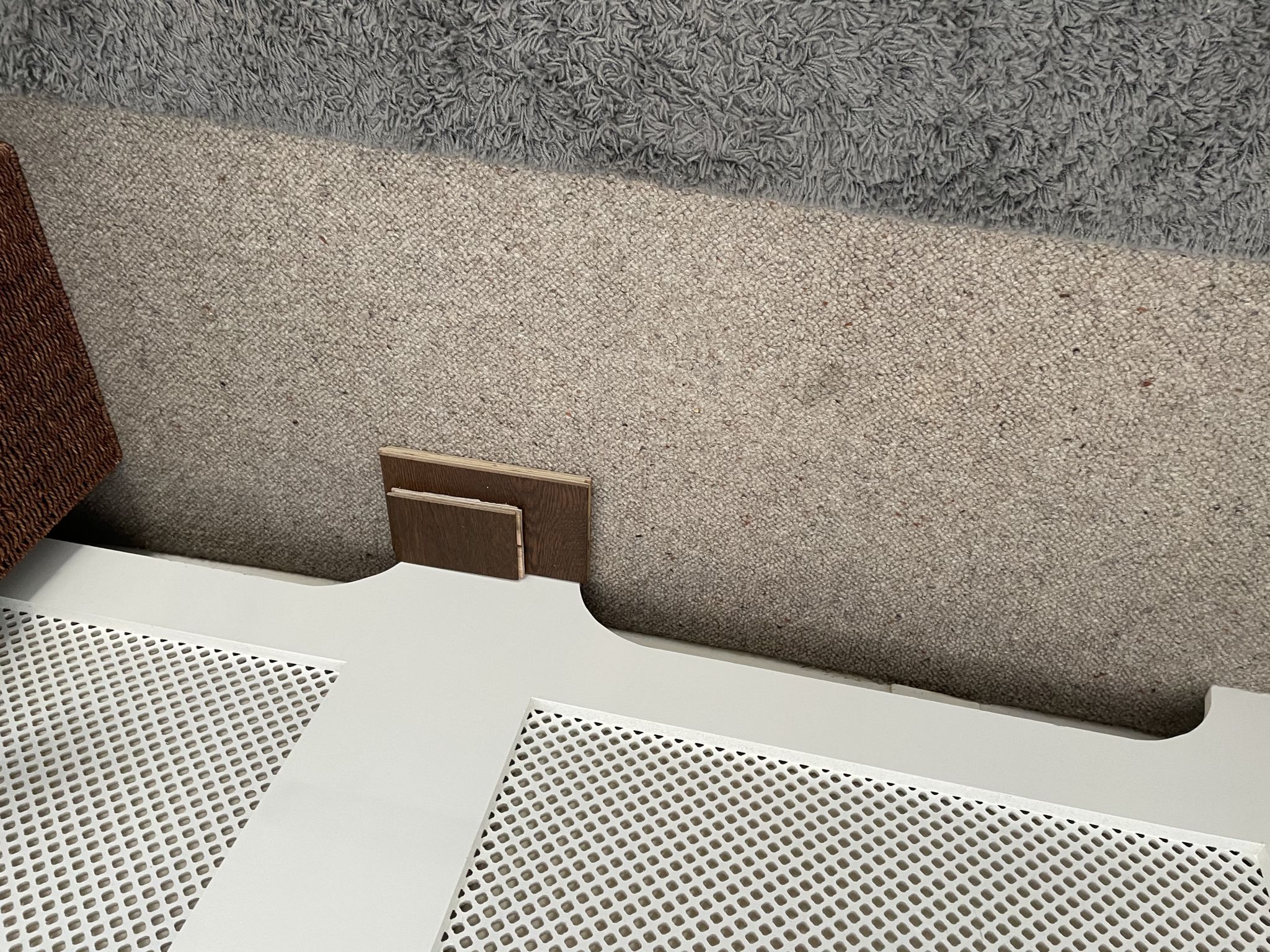
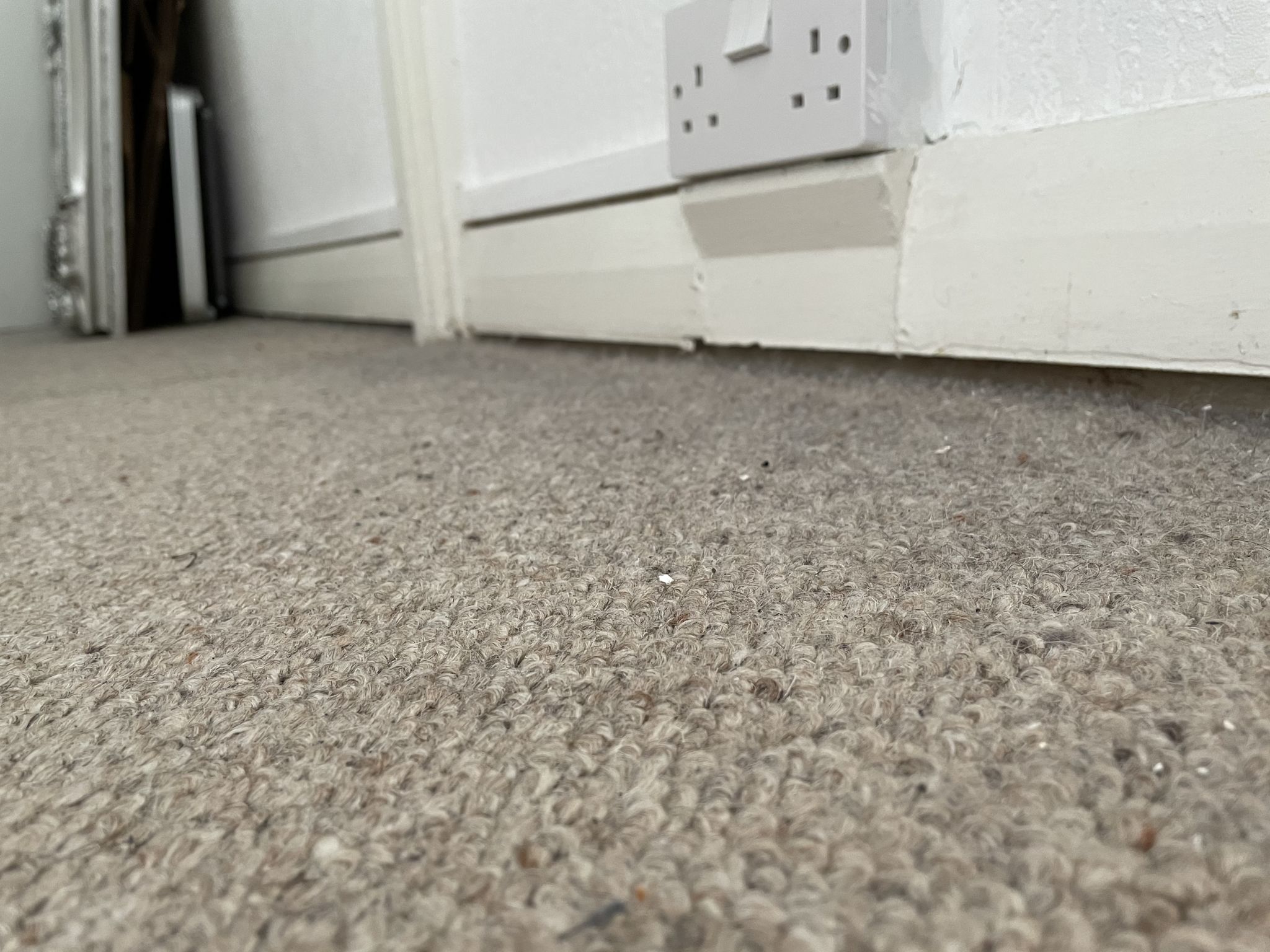
Prior to installation, the existing floor covering was inspected and the subfloor was prepared to ensure it was flat, dry, and suitable for the new engineered wood. Any existing floor covering was lifted and disposed of cleanly before the fitting work began.
Survey photos showing the floor condition before work:
Our Approach
The following services were carried out as part of this project:
- Beading Installation (incl. materials)
- Doors Plus Frame Trimming (per door)
- Engineered Flooring Installation
- Thresholds & Fitting (inc. materials)
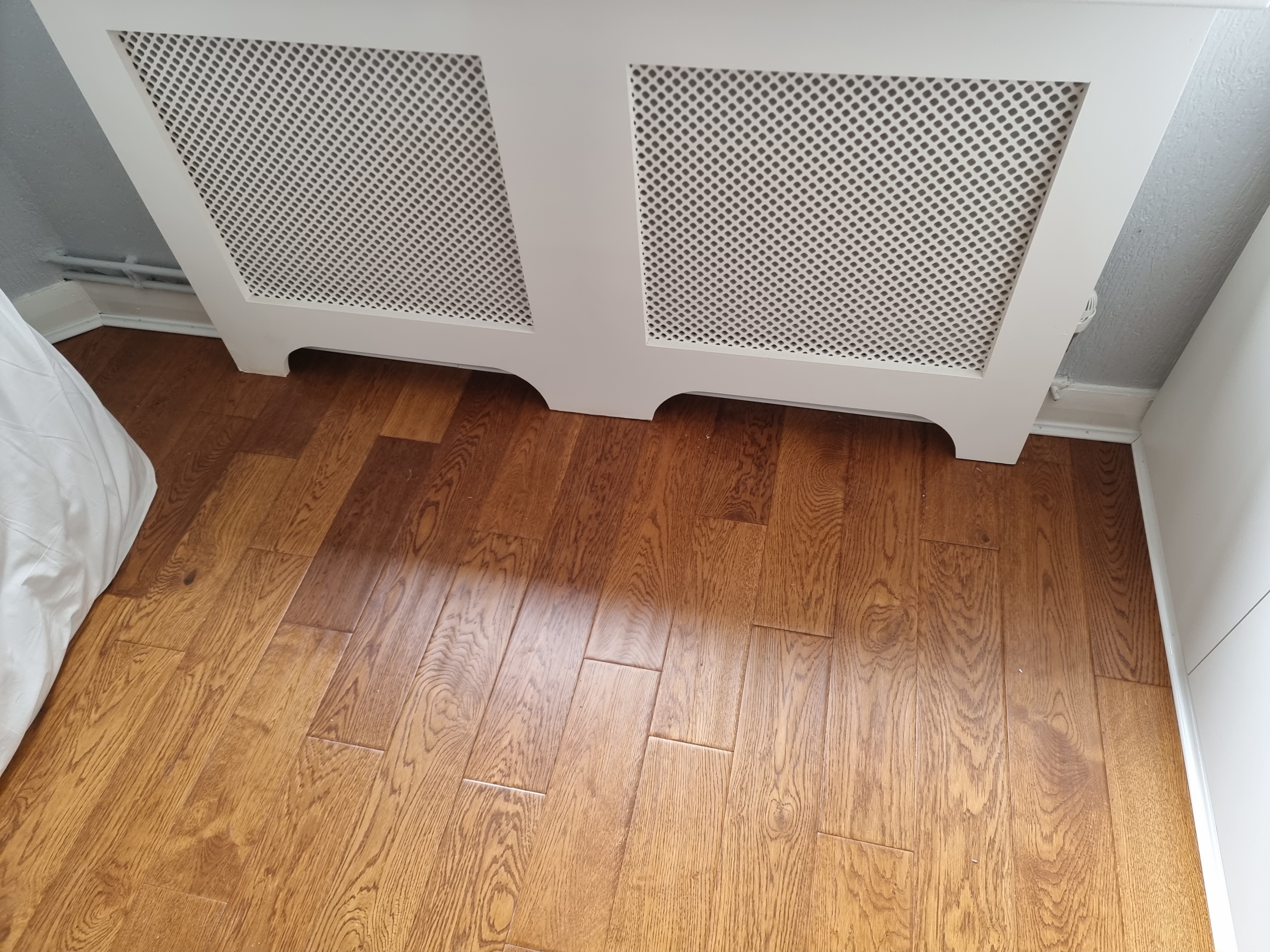
- Radiator Cover Trimming
The Result
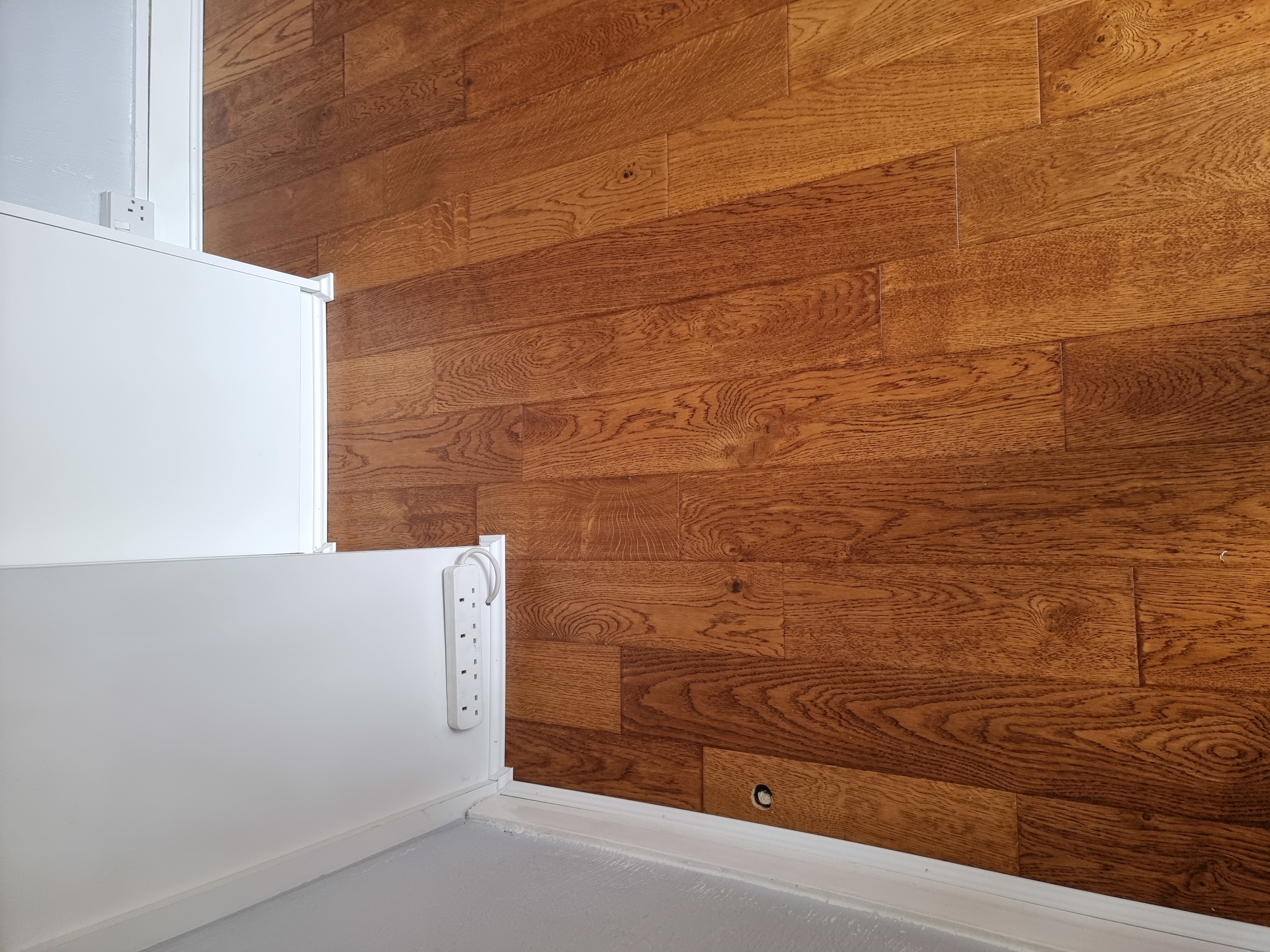
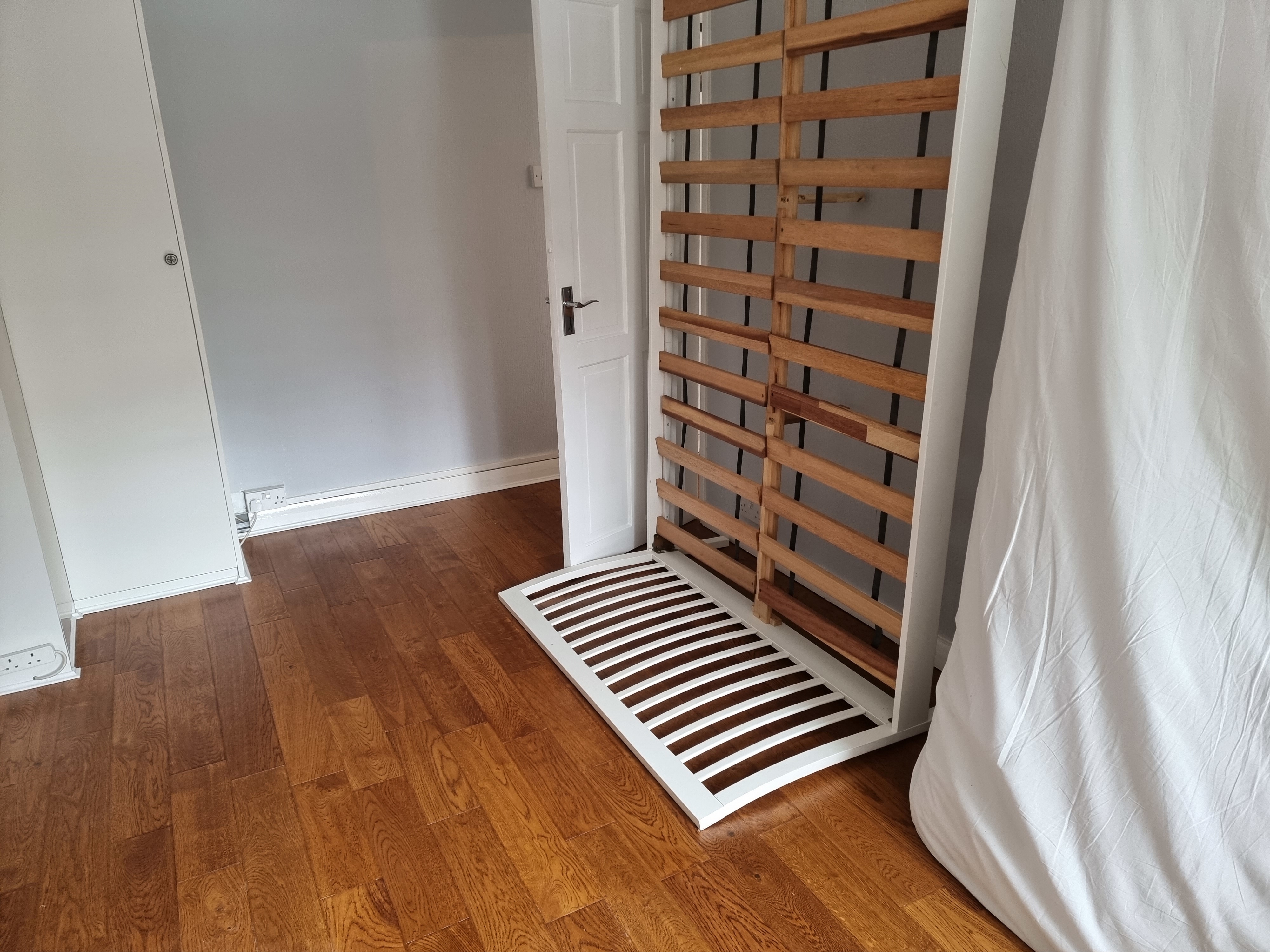
The completed engineered wood installation looked clean and finished throughout. Joins are tight, edges are neat, and the floor sits flat and stable. Beading and threshold strips were fitted where required to complete the job properly. The client was pleased with both the quality of the work and the appearance of the new floor.
Photos of the completed work:
Frequently Asked Questions
How long does engineered wood installation take?
Most fitting jobs are completed within one to two days. Larger areas or more detailed layouts such as herringbone patterns take longer due to the additional cutting and positioning involved.
Do I need underlay?
Yes, underlay is required for most floor types and helps with insulation, sound deadening, and levelling minor subfloor imperfections. We can supply and fit appropriate underlay as part of the installation.
How much does floor fitting cost in London?
Fitting costs typically range from £35 to £60 per square metre depending on floor type and complexity. We provide a full written quote before starting any work.
Have a similar project? Call us on 020 88309782 or Book a Free Site Visit
Show more
Project Overview
This project involved the professional sanding and restoration of an existing wood floor at a property in Hackney, N1. The floor had seen years of daily wear and was in need of attention to bring it back to a quality finish. Our team carried out a full assessment before starting work, checking for any boards that needed attention alongside the main sanding and finishing work.
Be...
Project Overview
This project involved the professional sanding and restoration of an existing wood floor at a property in Hackney, N1. The floor had seen years of daily wear and was in need of attention to bring it back to a quality finish. Our team carried out a full assessment before starting work, checking for any boards that needed attention alongside the main sanding and finishing work.
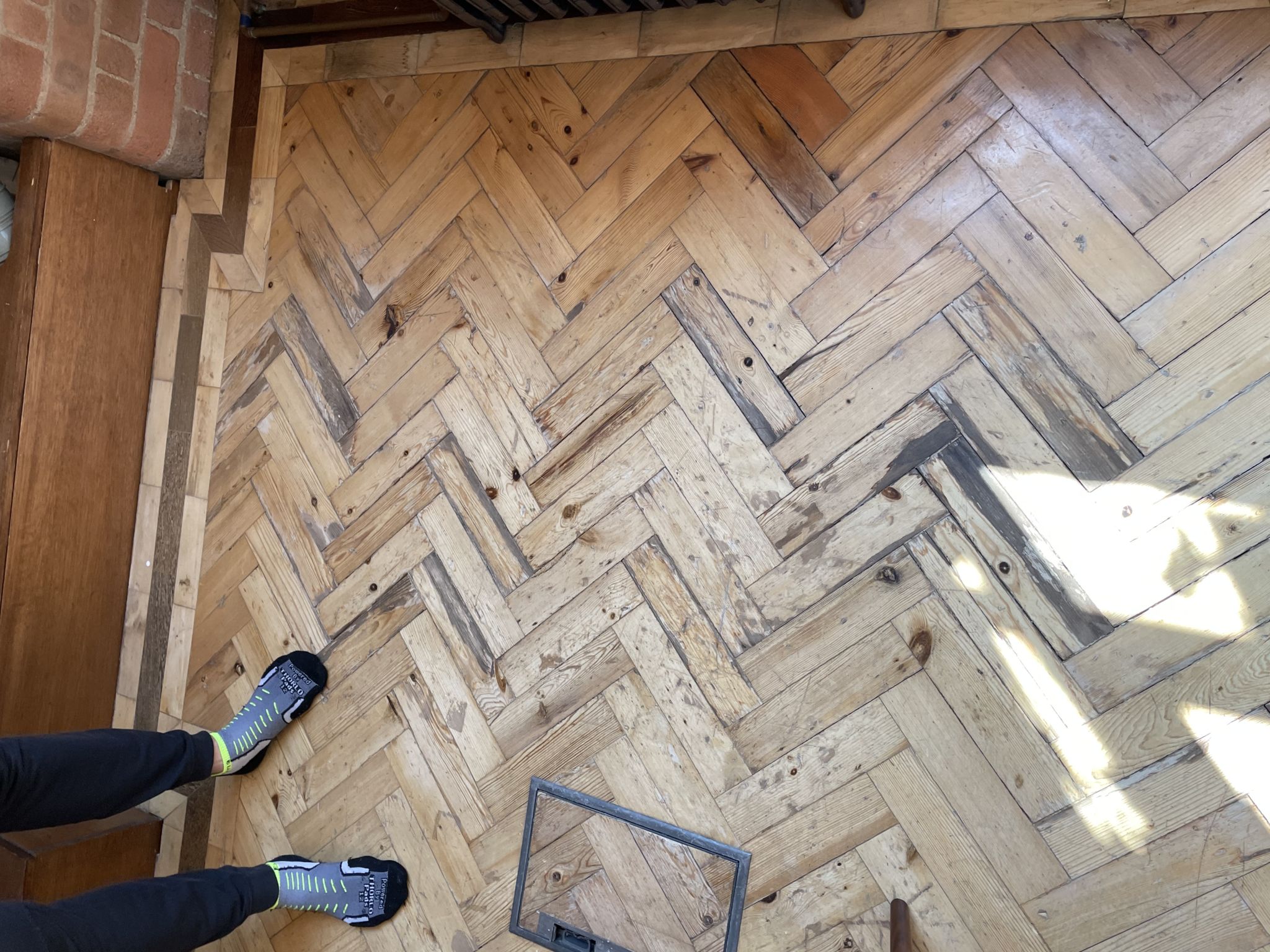
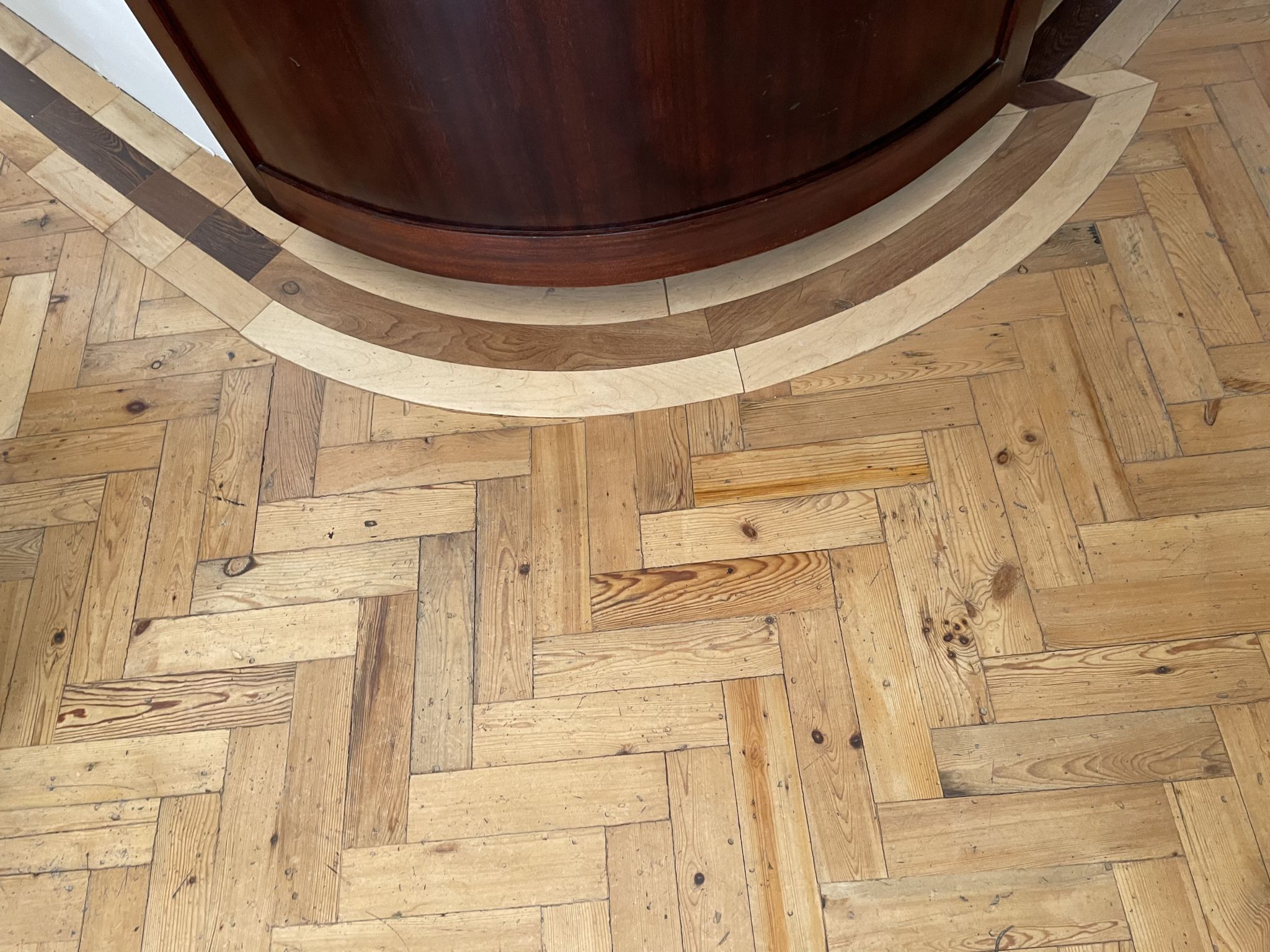
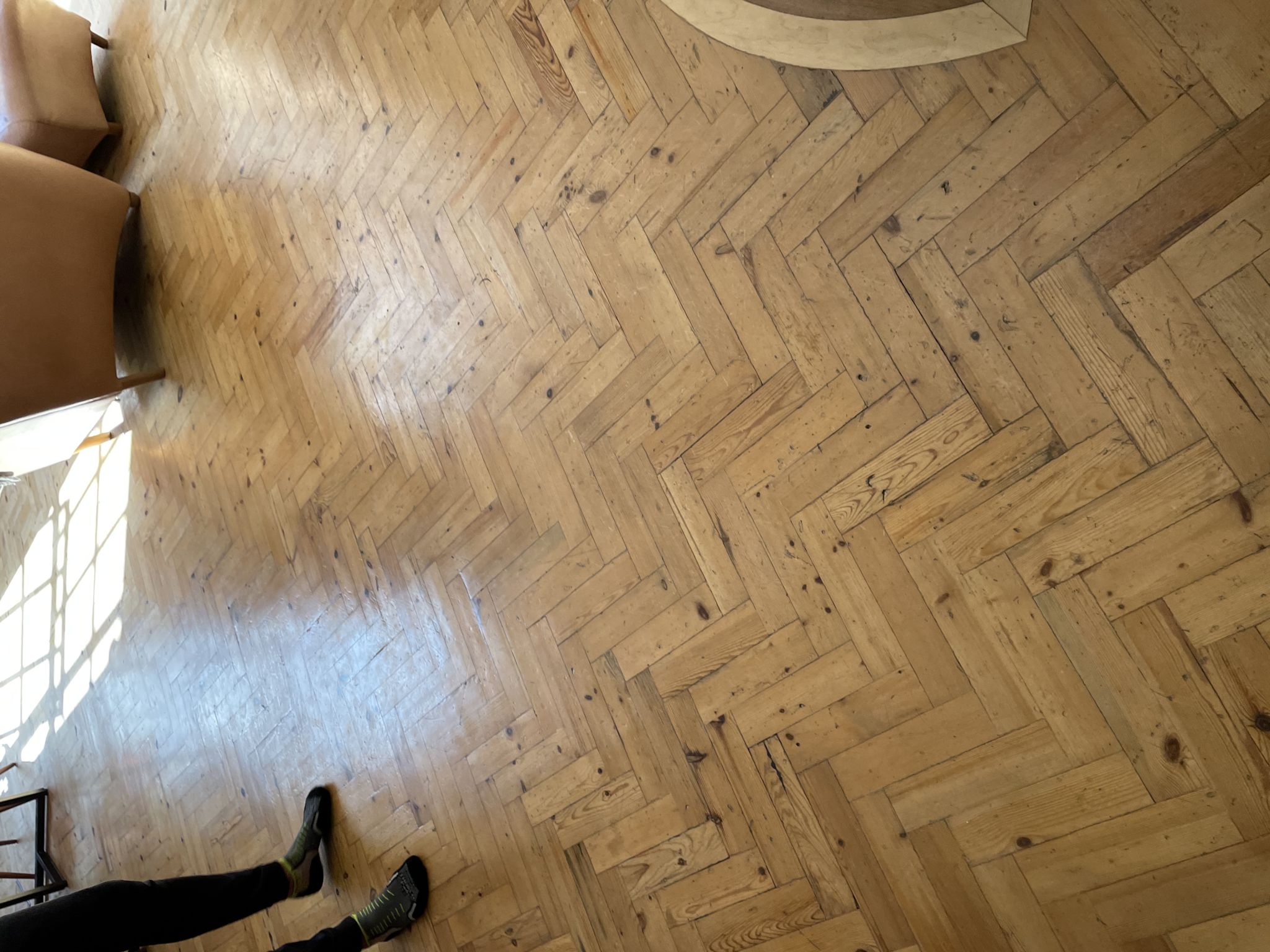
Before the Work
Before work began, the floor showed typical signs of wear. Surface scratches, dull patches, and general finish deterioration were present. A thorough survey was carried out to plan the correct sanding depth, assess board condition, and choose the most appropriate finish for the space.
Survey photos showing the floor condition before work:
Our Approach
The following services were carried out as part of this project:
- Gap Filling
- Parquet - Sand, Buff & Lacquer
- Elka Stoney Oak Aqua Protect Laminate Flooring, 12mm
- Tile removal
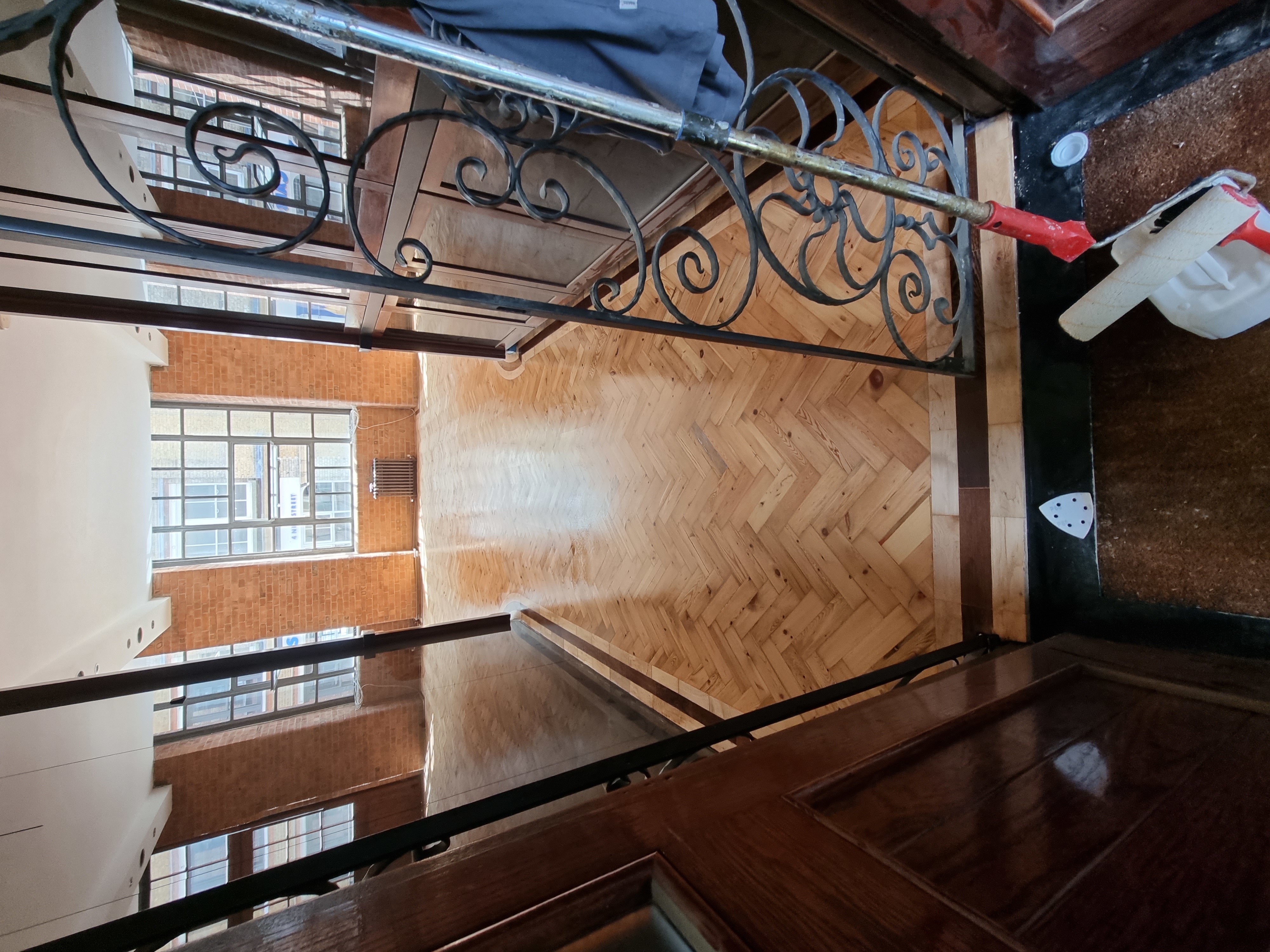
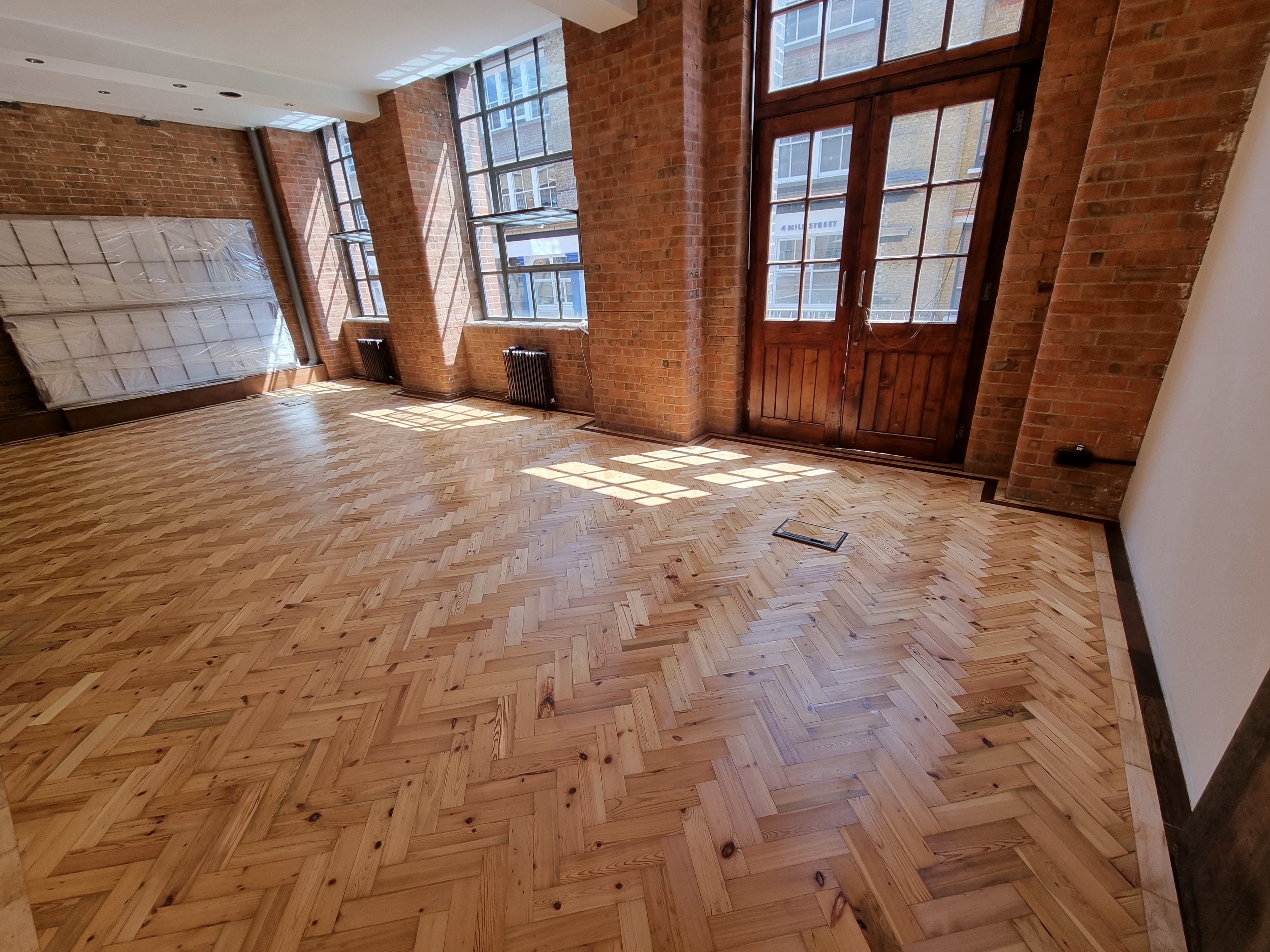
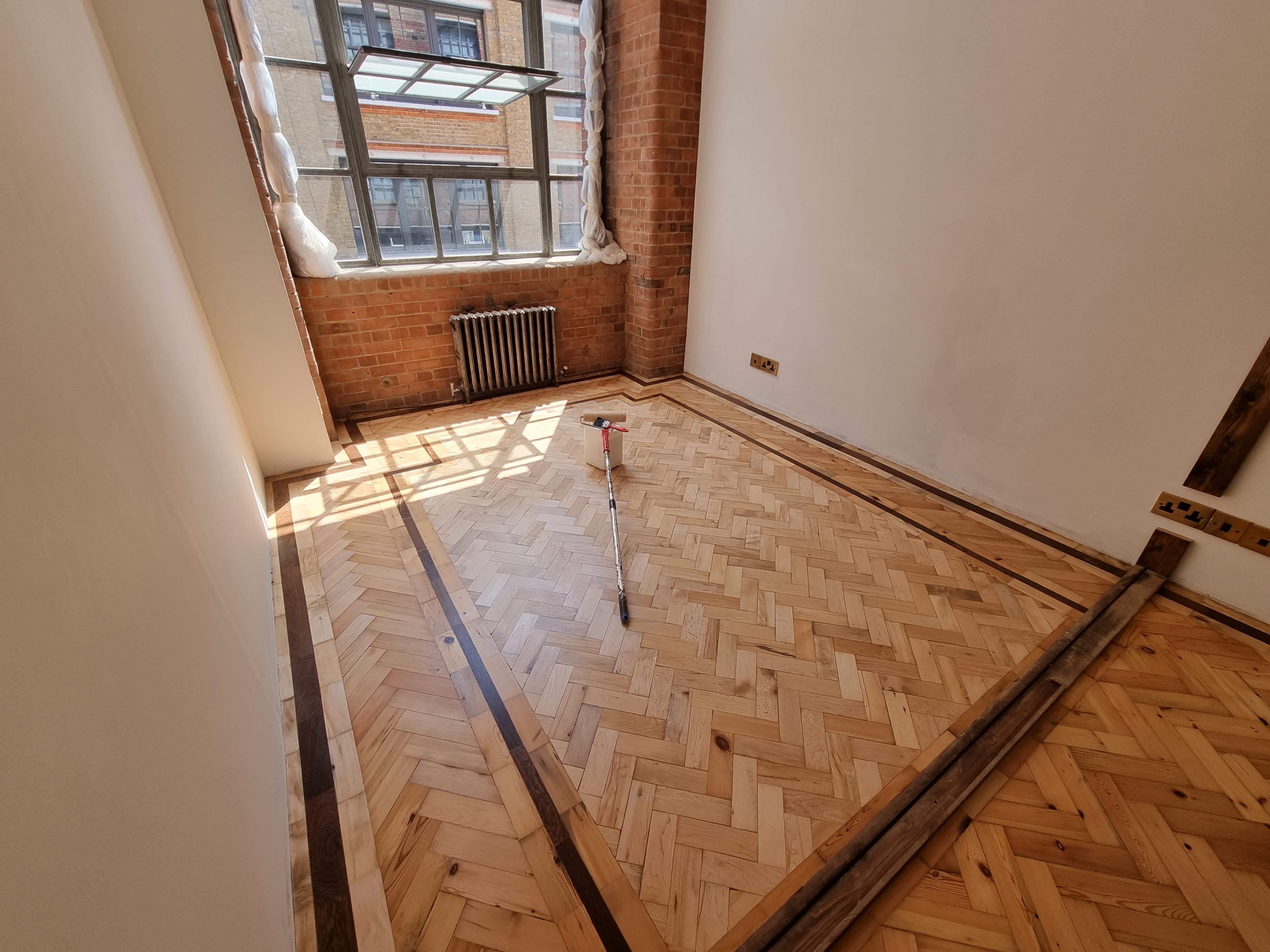
The Result
Once the sanding and finishing process was complete, the floor was transformed. The wood grain was opened up and brought back to life, the surface was smooth and even, and the new finish provided lasting protection. The client was left with a floor that looked, and performed, as good as new.
Photos of the completed work:
Frequently Asked Questions
How long does floor sanding take?
Most residential sanding jobs are completed in one to two days, depending on floor size and condition. Lacquering or oiling adds further drying and curing time, which we factor into the job schedule.
Do I need to vacate the property during sanding?
Modern dustless sanding equipment keeps dust to a minimum, but we recommend keeping pets and young children clear of the area during the work. Most clients remain in their property throughout.
How much does floor sanding cost in London?
Prices typically range from £25 to £45 per square metre depending on floor condition, finish type, and any repair work required. Gap filling and board replacement are priced separately if needed.
Have a similar project? Call us on 020 88309782 or Book a Free Site Visit
Show more
Project Overview
This project involved the professional sanding and restoration of an existing wood floor at a property in Kingston Upon Thames, KT2. The floor had seen years of daily wear and was in need of attention to bring it back to a quality finish. Our team carried out a full assessment before starting work, checking for any boards that needed attention alongside the main sanding and finis...
Project Overview
This project involved the professional sanding and restoration of an existing wood floor at a property in Kingston Upon Thames, KT2. The floor had seen years of daily wear and was in need of attention to bring it back to a quality finish. Our team carried out a full assessment before starting work, checking for any boards that needed attention alongside the main sanding and finishing work.
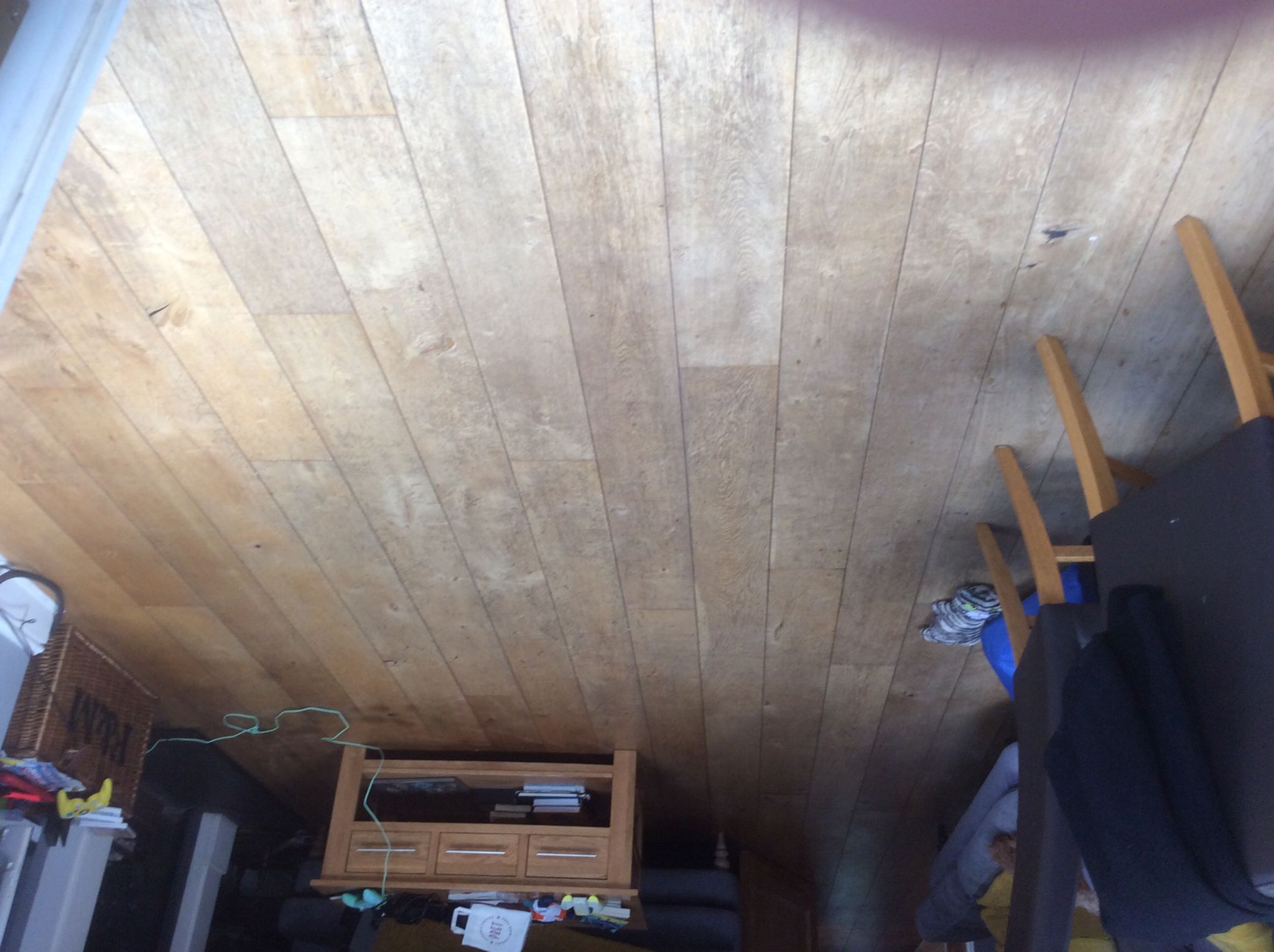
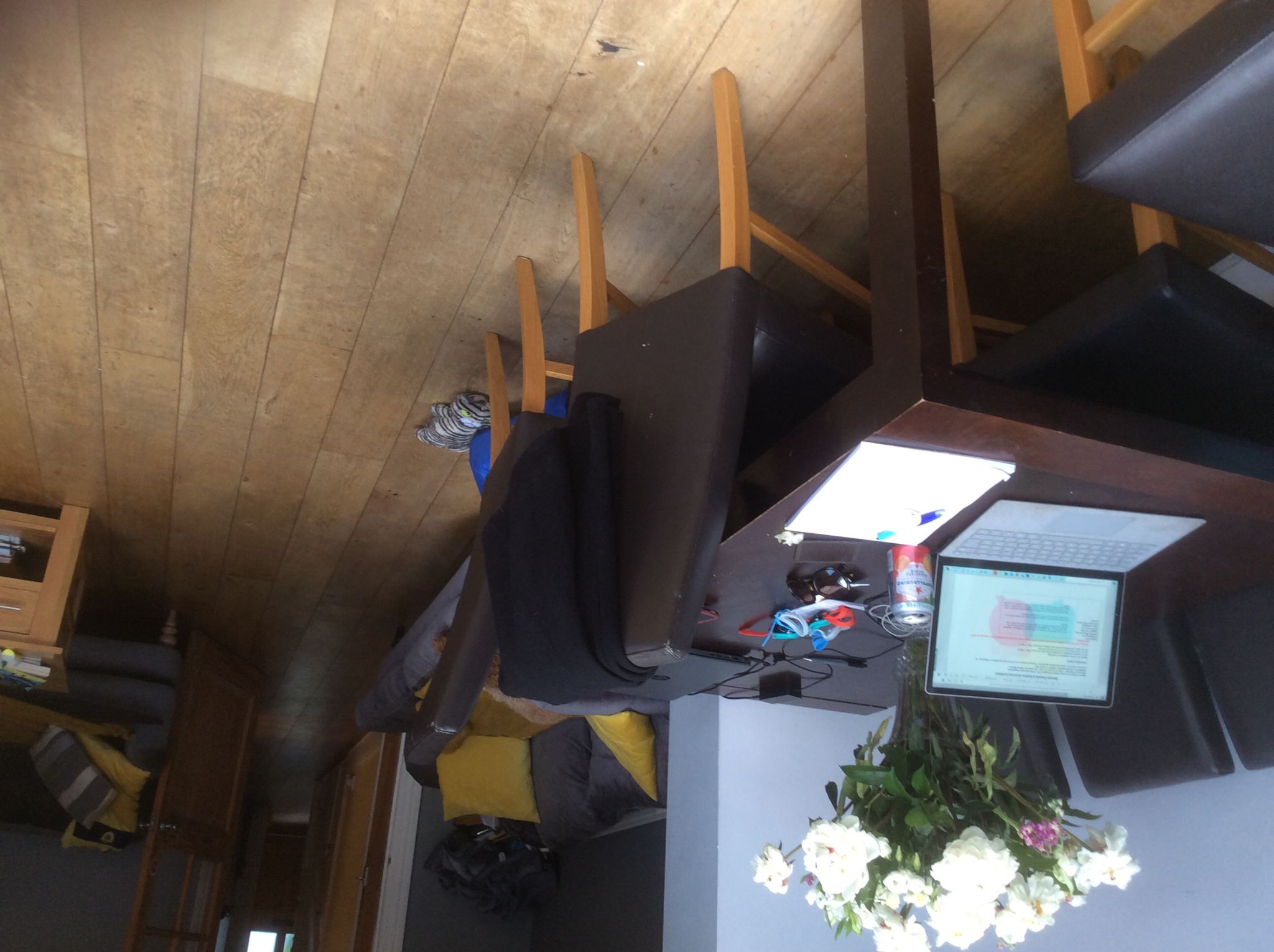
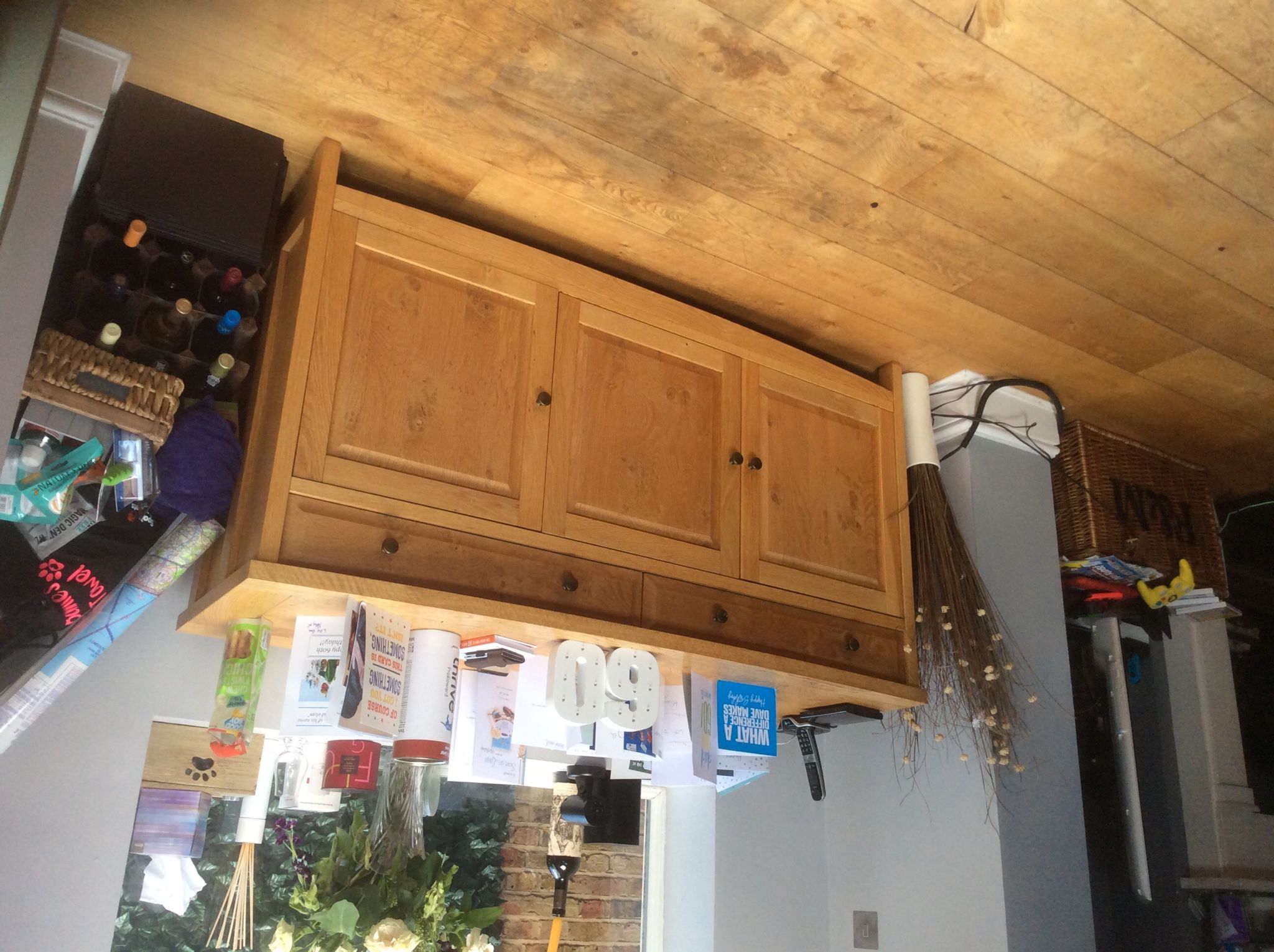
Before the Work
Before work began, the floor showed typical signs of wear. Surface scratches, dull patches, and general finish deterioration were present. A thorough survey was carried out to plan the correct sanding depth, assess board condition, and choose the most appropriate finish for the space.
Survey photos showing the floor condition before work:
Our Approach
The following services were carried out as part of this project:
- Hardwood - Sand, Buff & Lacquer
- Furniture Moving ( one way only)
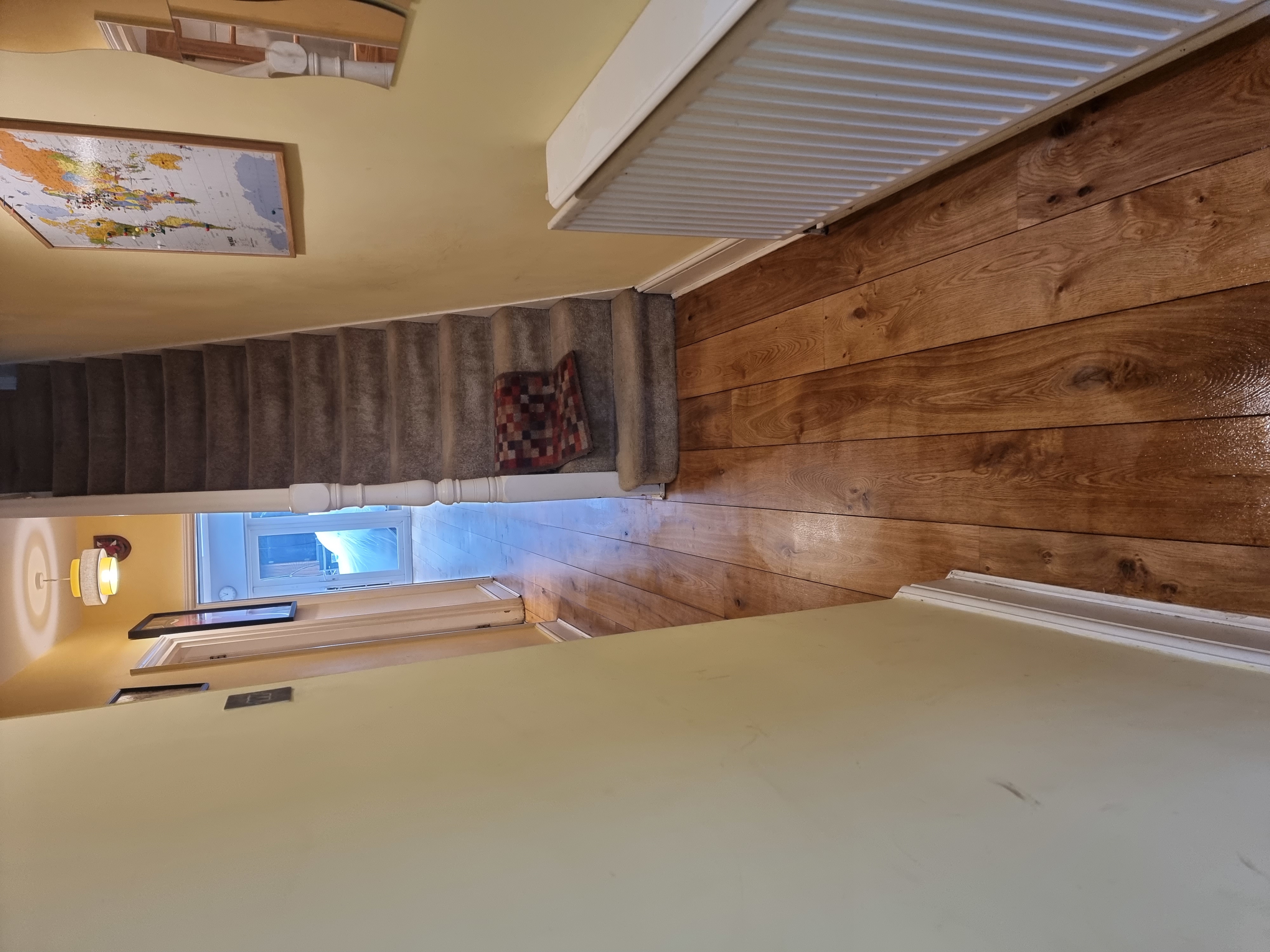
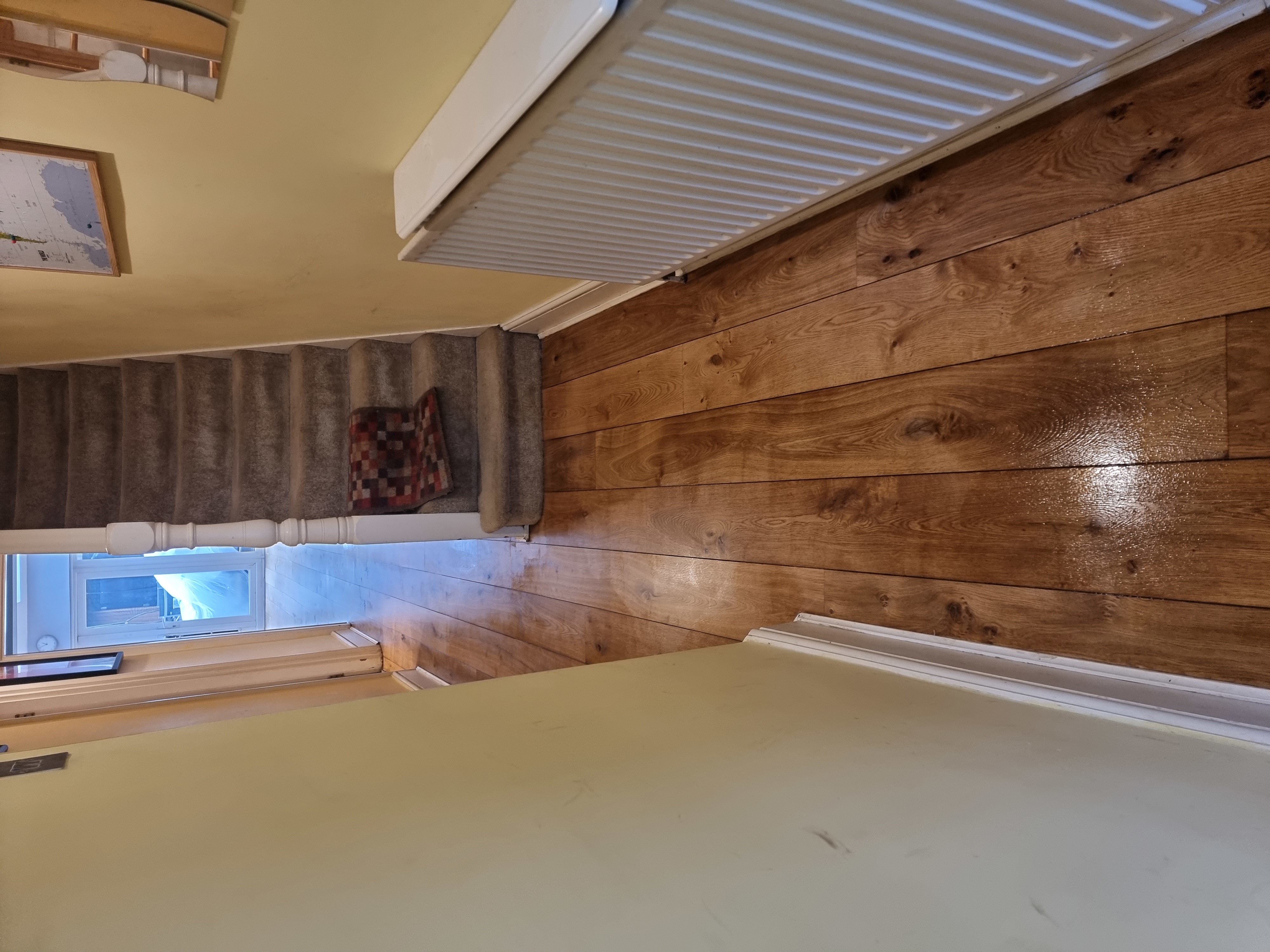
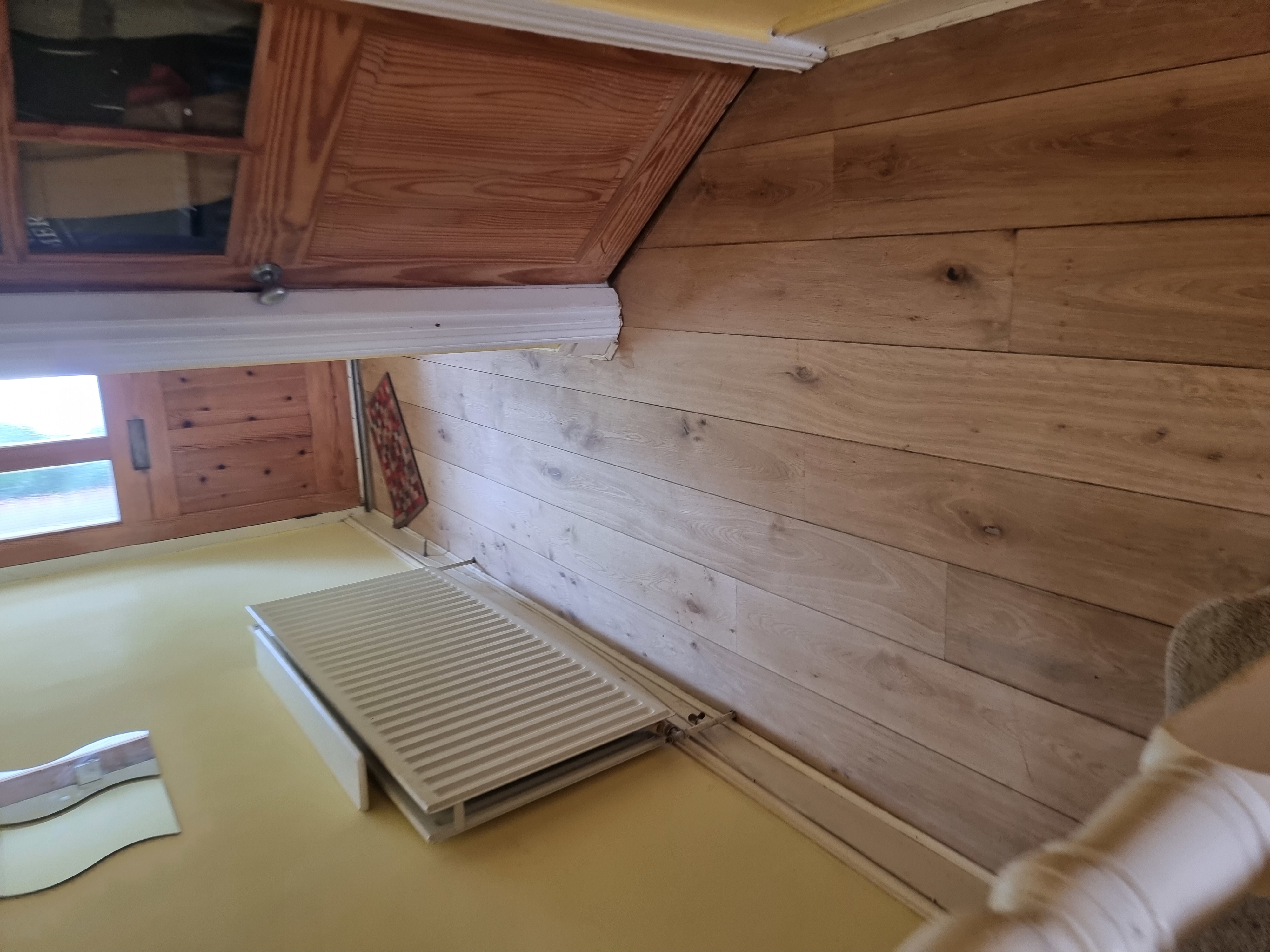
The Result
Once the sanding and finishing process was complete, the floor was transformed. The wood grain was opened up and brought back to life, the surface was smooth and even, and the new finish provided lasting protection. The client was left with a floor that looked, and performed, as good as new.
Photos of the completed work:
Frequently Asked Questions
How long does floor sanding take?
Most residential sanding jobs are completed in one to two days, depending on floor size and condition. Lacquering or oiling adds further drying and curing time, which we factor into the job schedule.
Do I need to vacate the property during sanding?
Modern dustless sanding equipment keeps dust to a minimum, but we recommend keeping pets and young children clear of the area during the work. Most clients remain in their property throughout.
How much does floor sanding cost in London?
Prices typically range from £25 to £45 per square metre depending on floor condition, finish type, and any repair work required. Gap filling and board replacement are priced separately if needed.
Have a similar project? Call us on 020 88309782 or Book a Free Site Visit
Show more
Project Overview
This project involved the professional sanding and restoration of an existing wood floor at a property in Mill Hill, NW7. The floor had seen years of daily wear and was in need of attention to bring it back to a quality finish. Our team carried out a full assessment before starting work, checking for any boards that needed attention alongside the main sanding and finishing work.
...
Project Overview
This project involved the professional sanding and restoration of an existing wood floor at a property in Mill Hill, NW7. The floor had seen years of daily wear and was in need of attention to bring it back to a quality finish. Our team carried out a full assessment before starting work, checking for any boards that needed attention alongside the main sanding and finishing work.
Before the Work
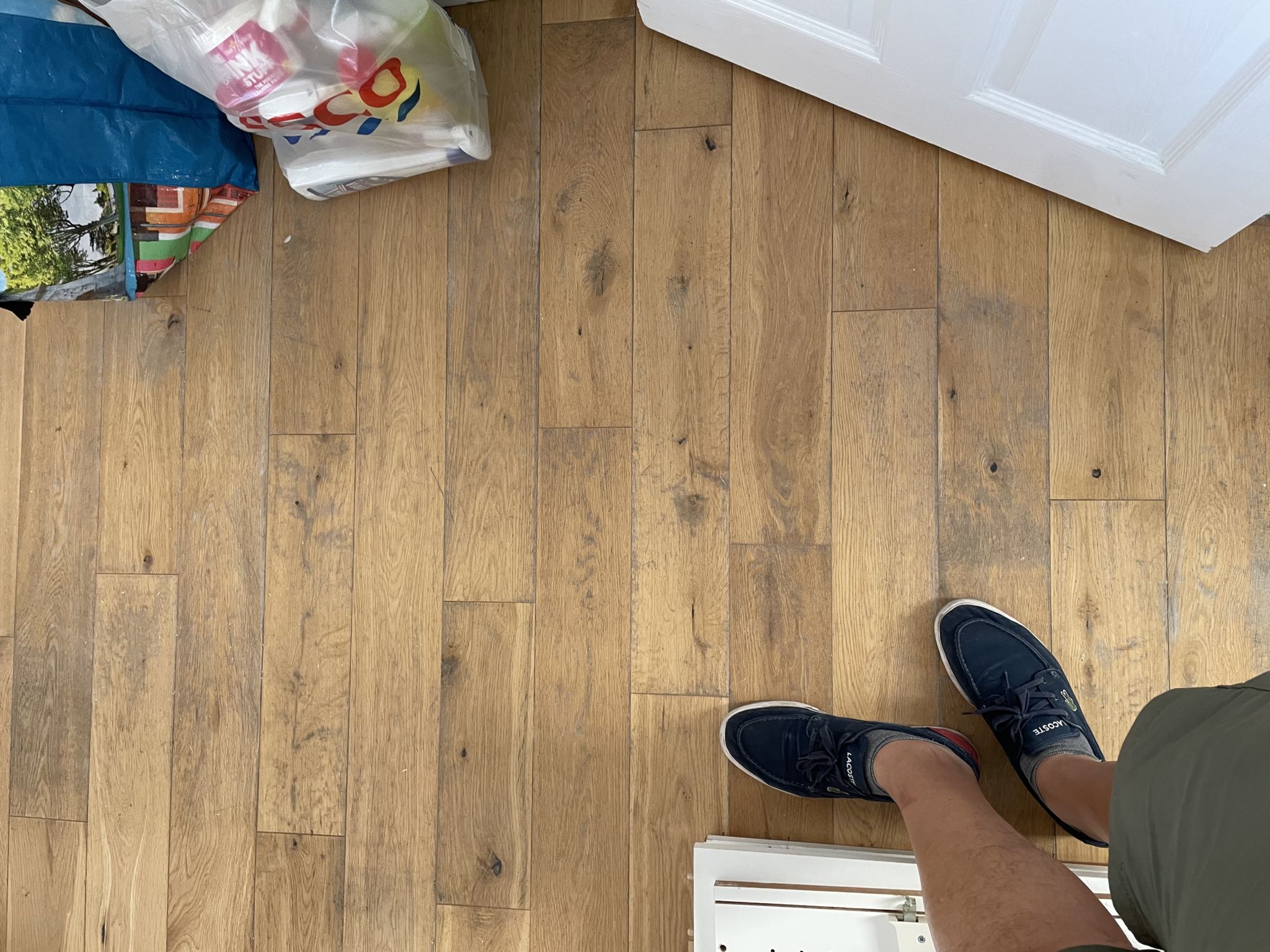
Before work began, the floor showed typical signs of wear. Surface scratches, dull patches, and general finish deterioration were present. A thorough survey was carried out to plan the correct sanding depth, assess board condition, and choose the most appropriate finish for the space.
Survey photos showing the floor condition before work:
Our Approach
The following services were carried out as part of this project:
- Furniture Moving
- Hardwood - Sand, Buff & Lacquer
The Result
Once the sanding and finishing process was complete, the floor was transformed. The wood grain was opened up and brought back to life, the surface was smooth and even, and the new finish provided lasting protection. The client was left with a floor that looked, and performed, as good as new.
Photos of the completed work:

Frequently Asked Questions
How long does floor sanding take?
Most residential sanding jobs are completed in one to two days, depending on floor size and condition. Lacquering or oiling adds further drying and curing time, which we factor into the job schedule.
Do I need to vacate the property during sanding?
Modern dustless sanding equipment keeps dust to a minimum, but we recommend keeping pets and young children clear of the area during the work. Most clients remain in their property throughout.
How much does floor sanding cost in London?
Prices typically range from £25 to £45 per square metre depending on floor condition, finish type, and any repair work required. Gap filling and board replacement are priced separately if needed.
Have a similar project? Call us on 020 88309782 or Book a Free Site Visit
Show more
Project Overview
This project involved the professional installation of engineered wood flooring at a property in Wandsworth, SW17. The client required a quality floor that would stand up to daily use and complement their interior. Our fitting team assessed the subfloor condition, carried out any necessary preparation work, and fitted the new floor to a high standard.
Before the Work
Prior to i...
Project Overview
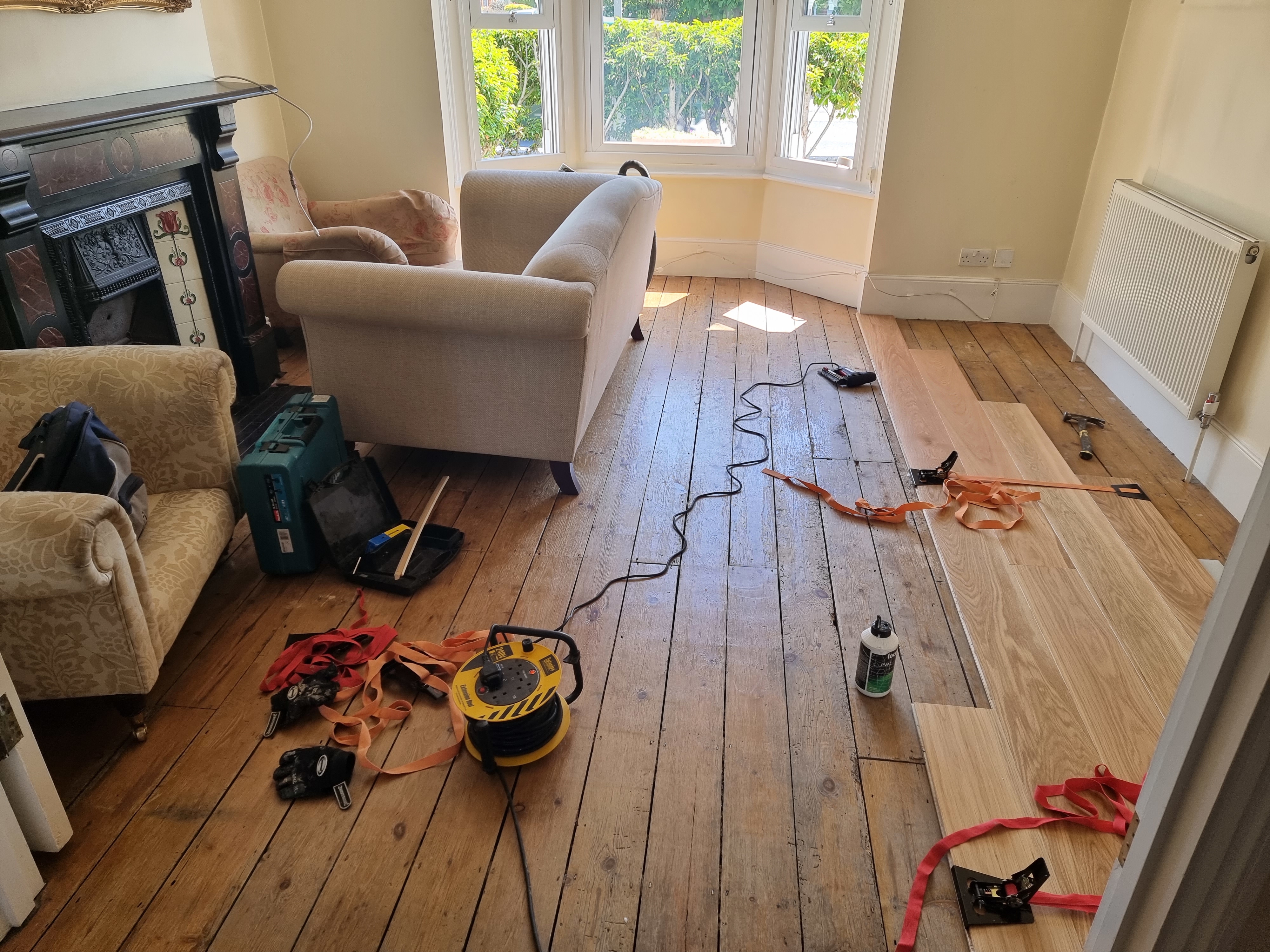
This project involved the professional installation of engineered wood flooring at a property in Wandsworth, SW17. The client required a quality floor that would stand up to daily use and complement their interior. Our fitting team assessed the subfloor condition, carried out any necessary preparation work, and fitted the new floor to a high standard.
Before the Work
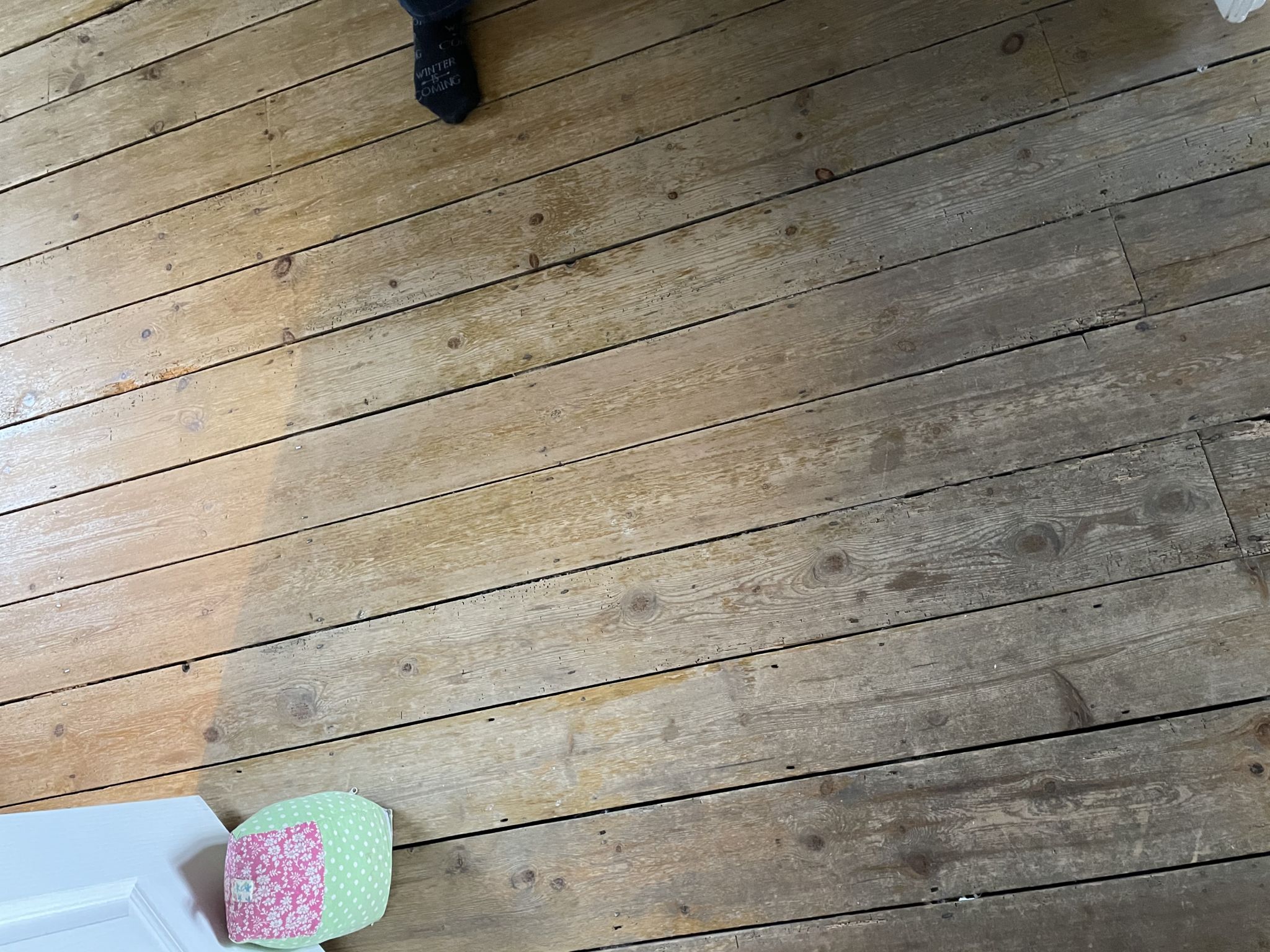
Prior to installation, the existing floor covering was inspected and the subfloor was prepared to ensure it was flat, dry, and suitable for the new engineered wood. Any existing floor covering was lifted and disposed of cleanly before the fitting work began.
Survey photos showing the floor condition before work:
Our Approach
The following services were carried out as part of this project:
- Beading Installation (incl. materials)
- Doors Plus Frame Trimming (per door)
- Engineered Flooring Installation
- Thresholds & Fitting (inc. materials)
The Result
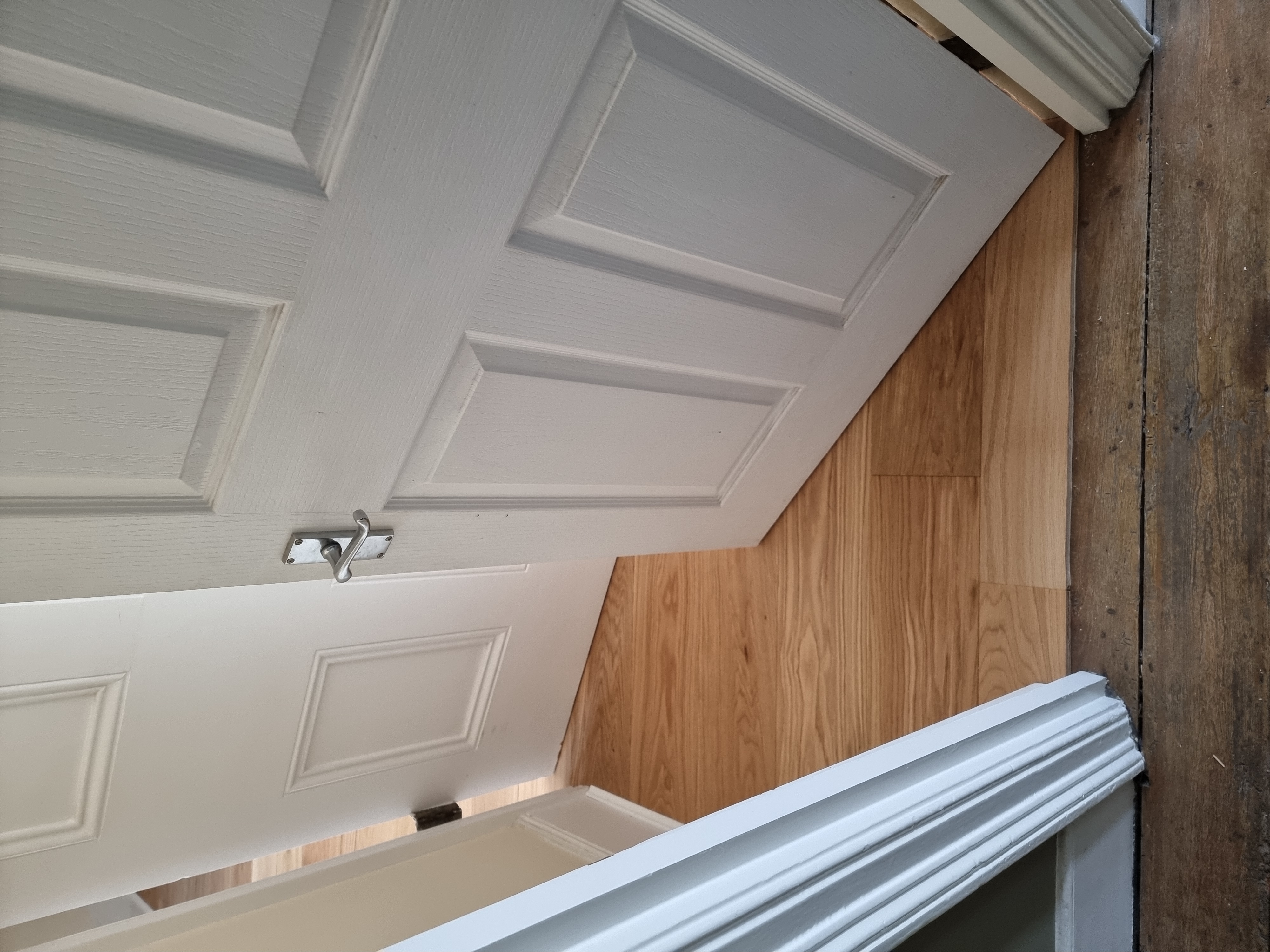
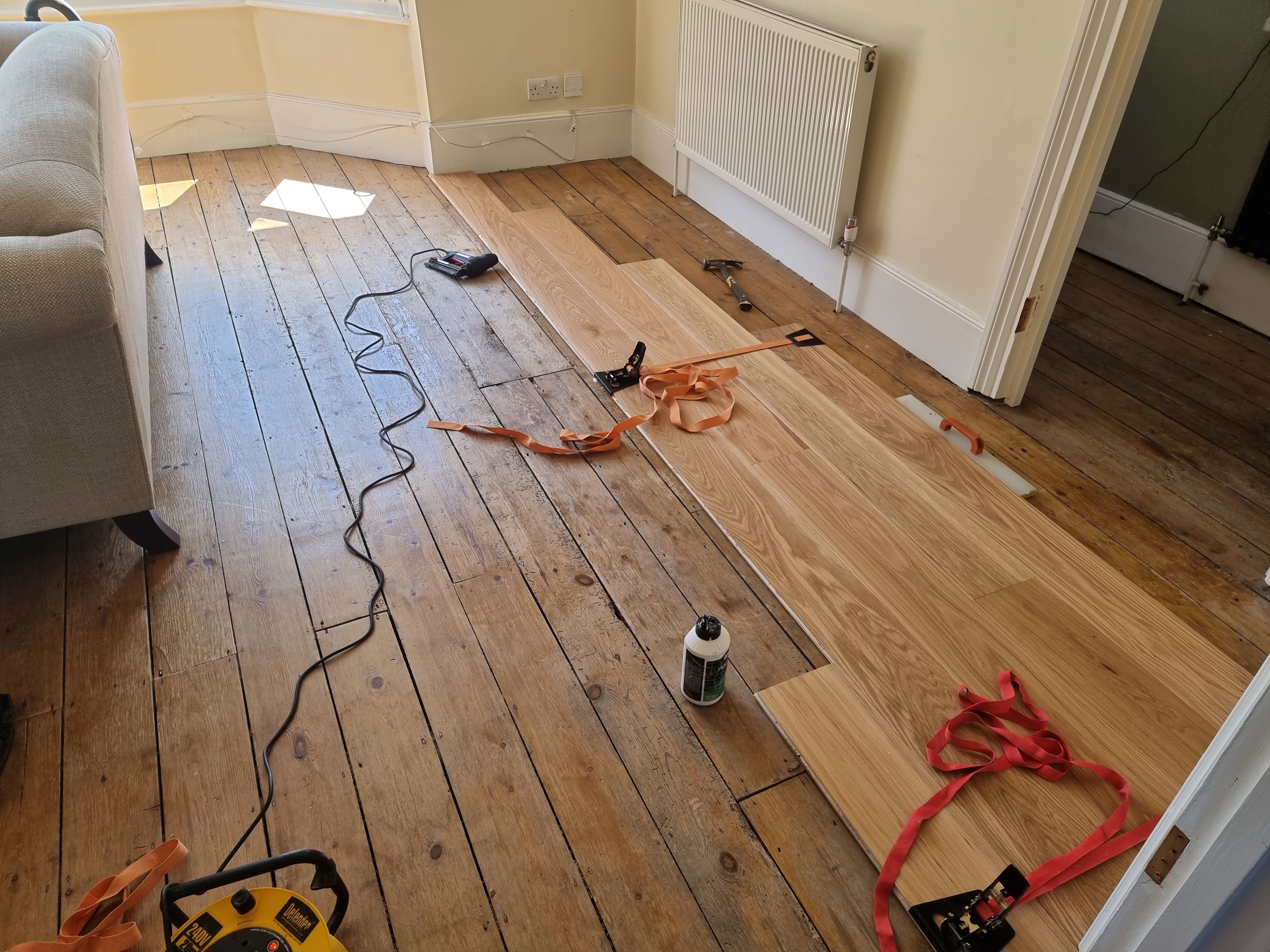
The completed engineered wood installation looked clean and finished throughout. Joins are tight, edges are neat, and the floor sits flat and stable. Beading and threshold strips were fitted where required to complete the job properly. The client was pleased with both the quality of the work and the appearance of the new floor.
Photos of the completed work:
Frequently Asked Questions
How long does engineered wood installation take?
Most fitting jobs are completed within one to two days. Larger areas or more detailed layouts such as herringbone patterns take longer due to the additional cutting and positioning involved.
Do I need underlay?
Yes, underlay is required for most floor types and helps with insulation, sound deadening, and levelling minor subfloor imperfections. We can supply and fit appropriate underlay as part of the installation.
How much does floor fitting cost in London?
Fitting costs typically range from £35 to £60 per square metre depending on floor type and complexity. We provide a full written quote before starting any work.
Have a similar project? Call us on 020 88309782 or Book a Free Site Visit
Show more
Project Overview
This project involved the professional sanding and restoration of an existing wood floor at a property in Greenwich, SE10. The floor had seen years of daily wear and was in need of attention to bring it back to a quality finish. Our team carried out a full assessment before starting work, checking for any boards that needed attention alongside the main sanding and finishing work....
Project Overview
This project involved the professional sanding and restoration of an existing wood floor at a property in Greenwich, SE10. The floor had seen years of daily wear and was in need of attention to bring it back to a quality finish. Our team carried out a full assessment before starting work, checking for any boards that needed attention alongside the main sanding and finishing work.
Before the Work
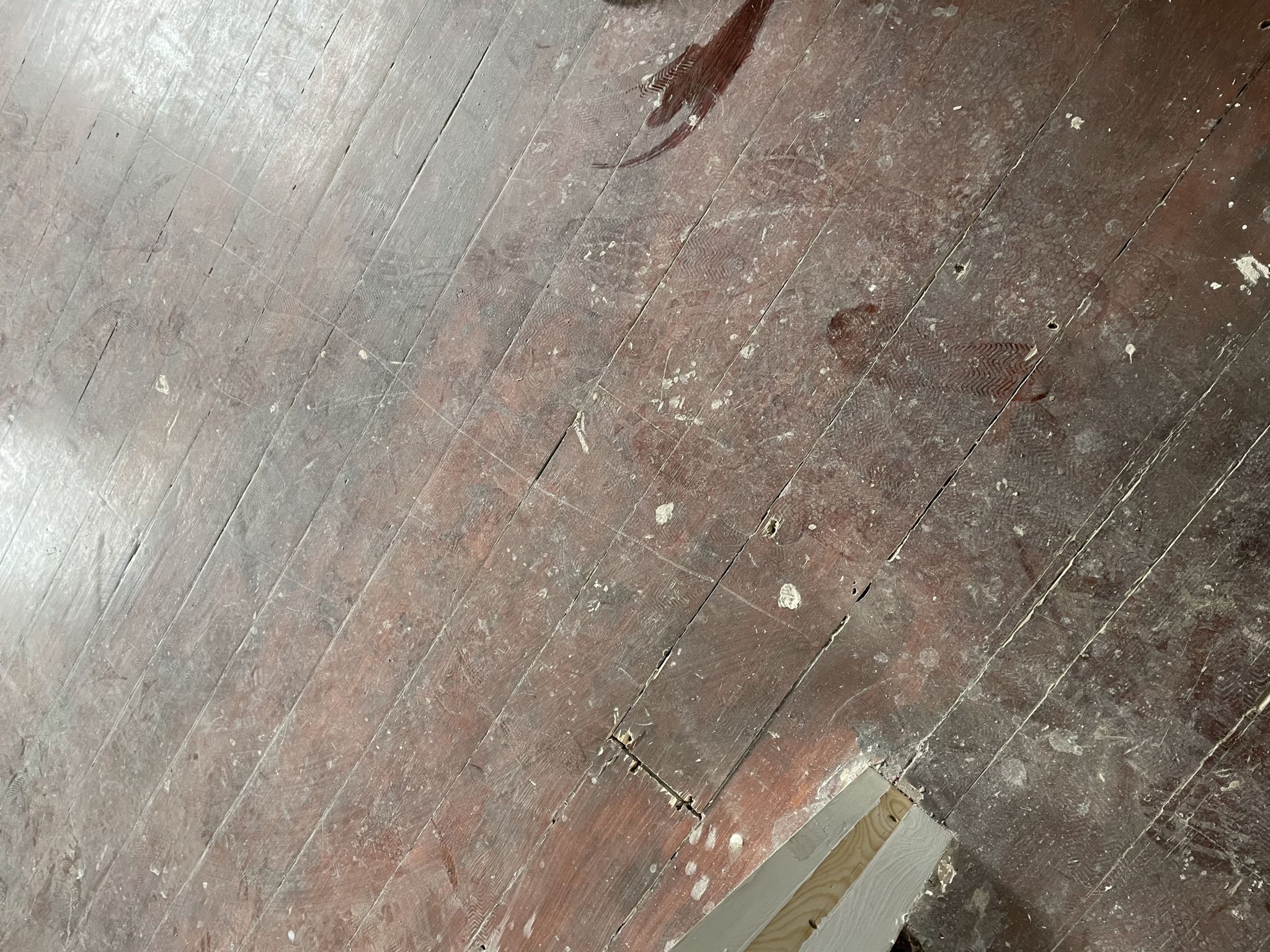
Before work began, the floor showed typical signs of wear. Surface scratches, dull patches, and general finish deterioration were present. A thorough survey was carried out to plan the correct sanding depth, assess board condition, and choose the most appropriate finish for the space.
Survey photos showing the floor condition before work:
Our Approach
The following services were carried out as part of this project:
- Floorboards - Replacement (incl. materials)
- Floorboards - Sand, Buff & Lacquer
- Gap Filling
- Staining
The Result
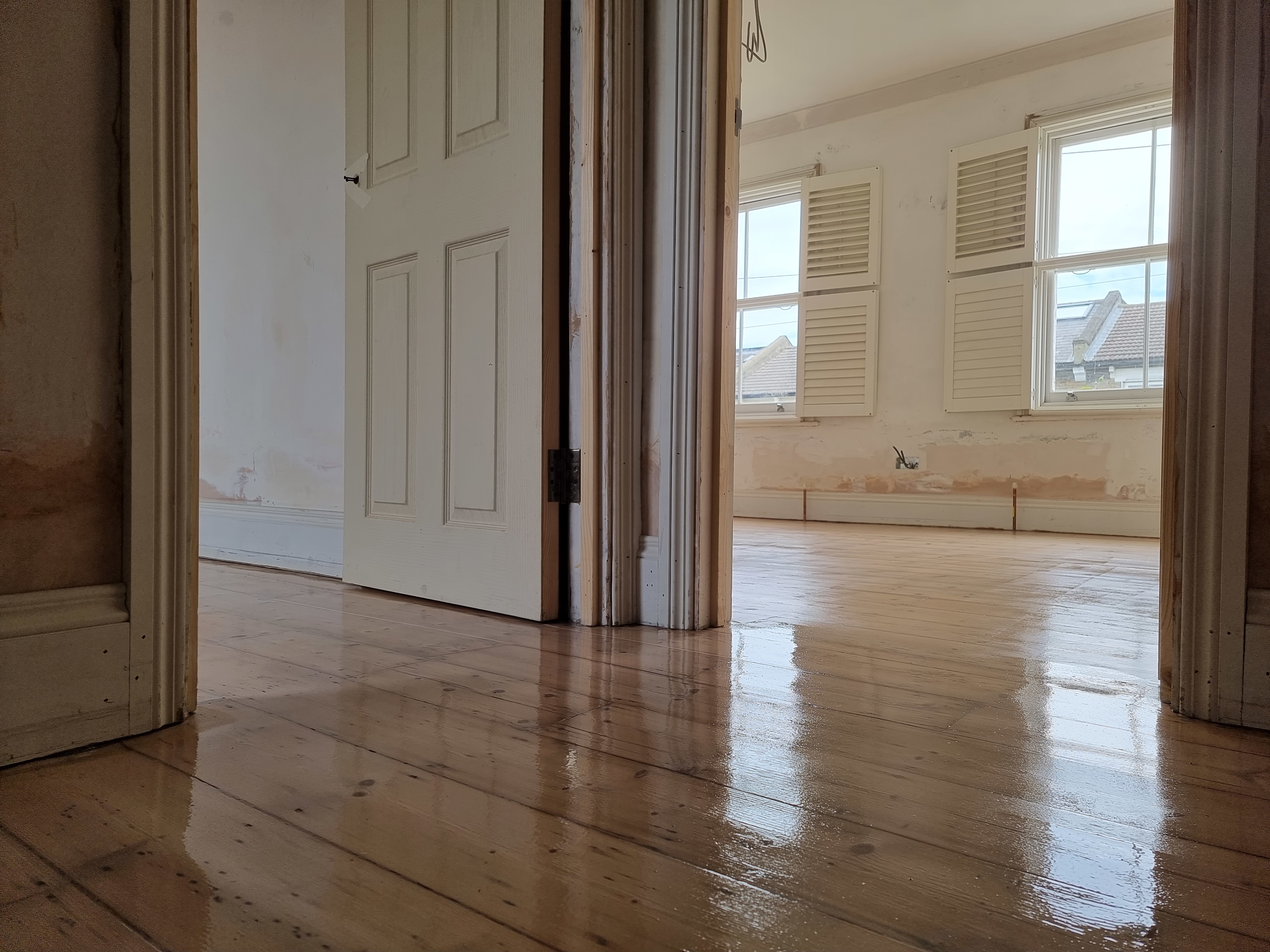
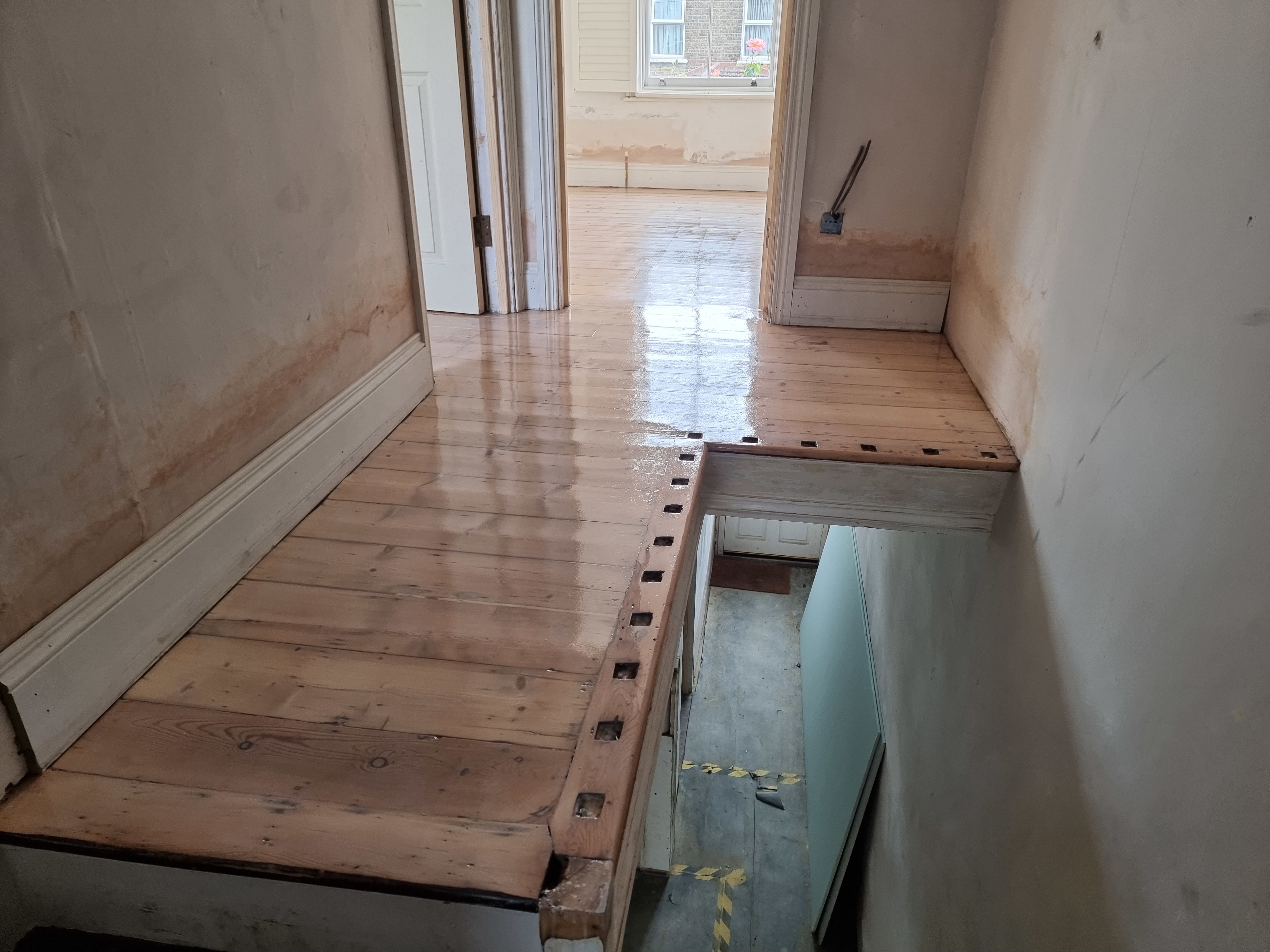
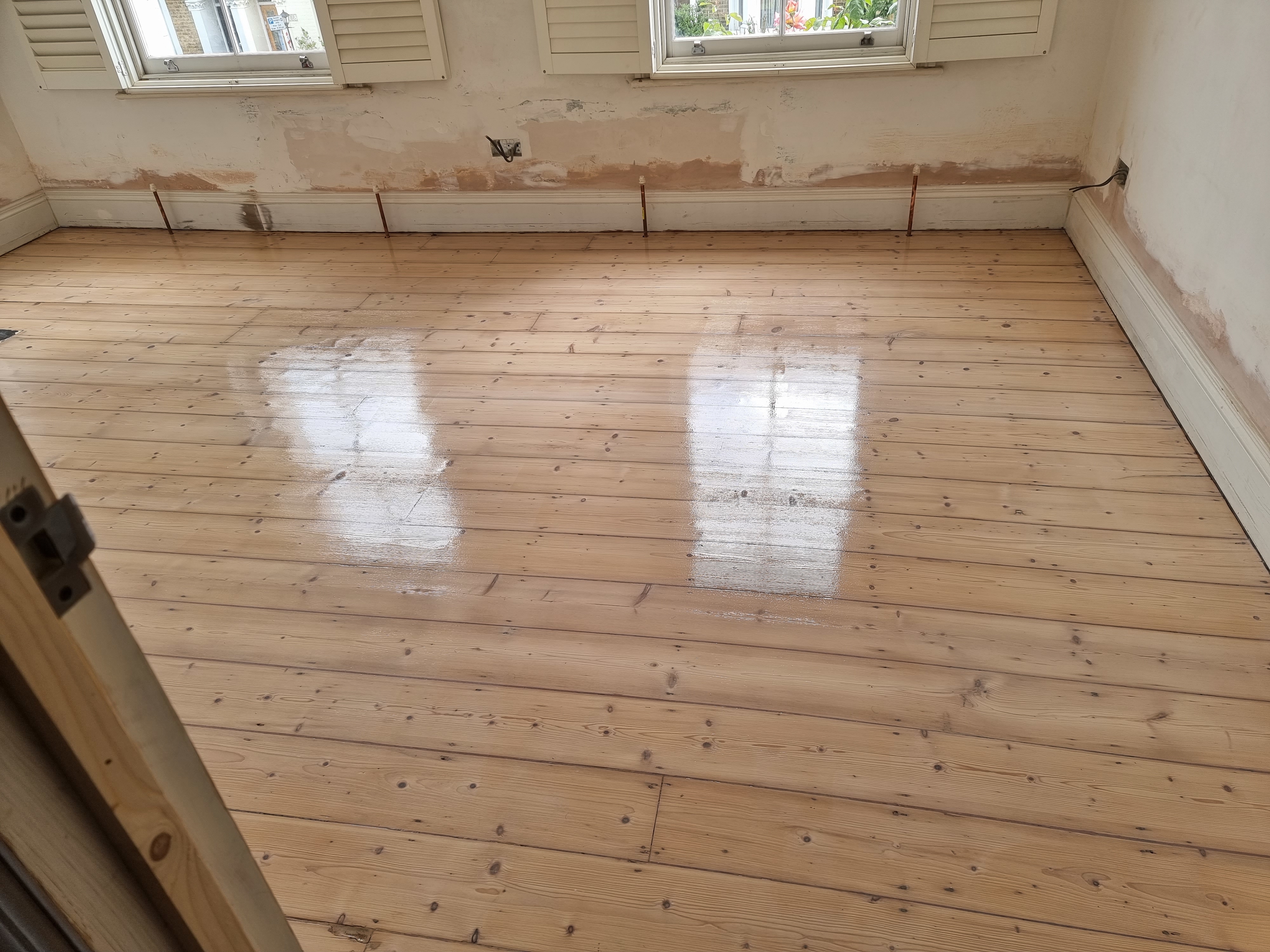
Once the sanding and finishing process was complete, the floor was transformed. The wood grain was opened up and brought back to life, the surface was smooth and even, and the new finish provided lasting protection. The client was left with a floor that looked, and performed, as good as new.
Photos of the completed work:
Frequently Asked Questions
How long does floor sanding take?
Most residential sanding jobs are completed in one to two days, depending on floor size and condition. Lacquering or oiling adds further drying and curing time, which we factor into the job schedule.
Do I need to vacate the property during sanding?
Modern dustless sanding equipment keeps dust to a minimum, but we recommend keeping pets and young children clear of the area during the work. Most clients remain in their property throughout.
How much does floor sanding cost in London?
Prices typically range from £25 to £45 per square metre depending on floor condition, finish type, and any repair work required. Gap filling and board replacement are priced separately if needed.
Have a similar project? Call us on 020 88309782 or Book a Free Site Visit
Show more
Project Overview
This project involved the professional installation of laminate flooring at a property in Earl's Court, SW5. The client required a quality floor that would stand up to daily use and complement their interior. Our fitting team assessed the subfloor condition, carried out any necessary preparation work, and fitted the new floor to a high standard.
Before the Work
Prior to install...
Project Overview
This project involved the professional installation of laminate flooring at a property in Earl's Court, SW5. The client required a quality floor that would stand up to daily use and complement their interior. Our fitting team assessed the subfloor condition, carried out any necessary preparation work, and fitted the new floor to a high standard.
Before the Work
Prior to installation, the existing floor covering was inspected and the subfloor was prepared to ensure it was flat, dry, and suitable for the new laminate. Any existing floor covering was lifted and disposed of cleanly before the fitting work began.
Our Approach
The following services were carried out as part of this project:
- Door Frame Trimming
- Laminate Floor Installation
The Result
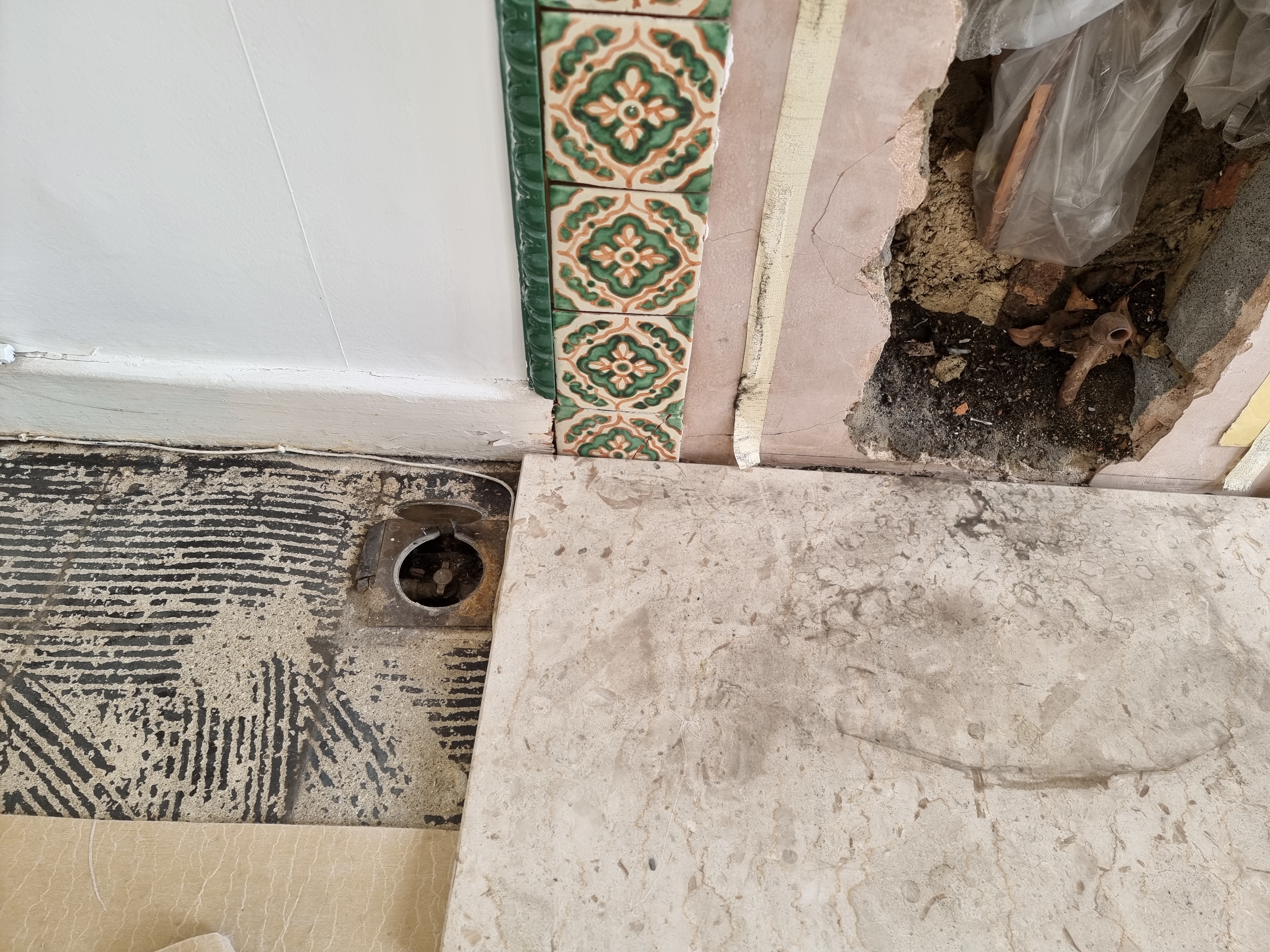
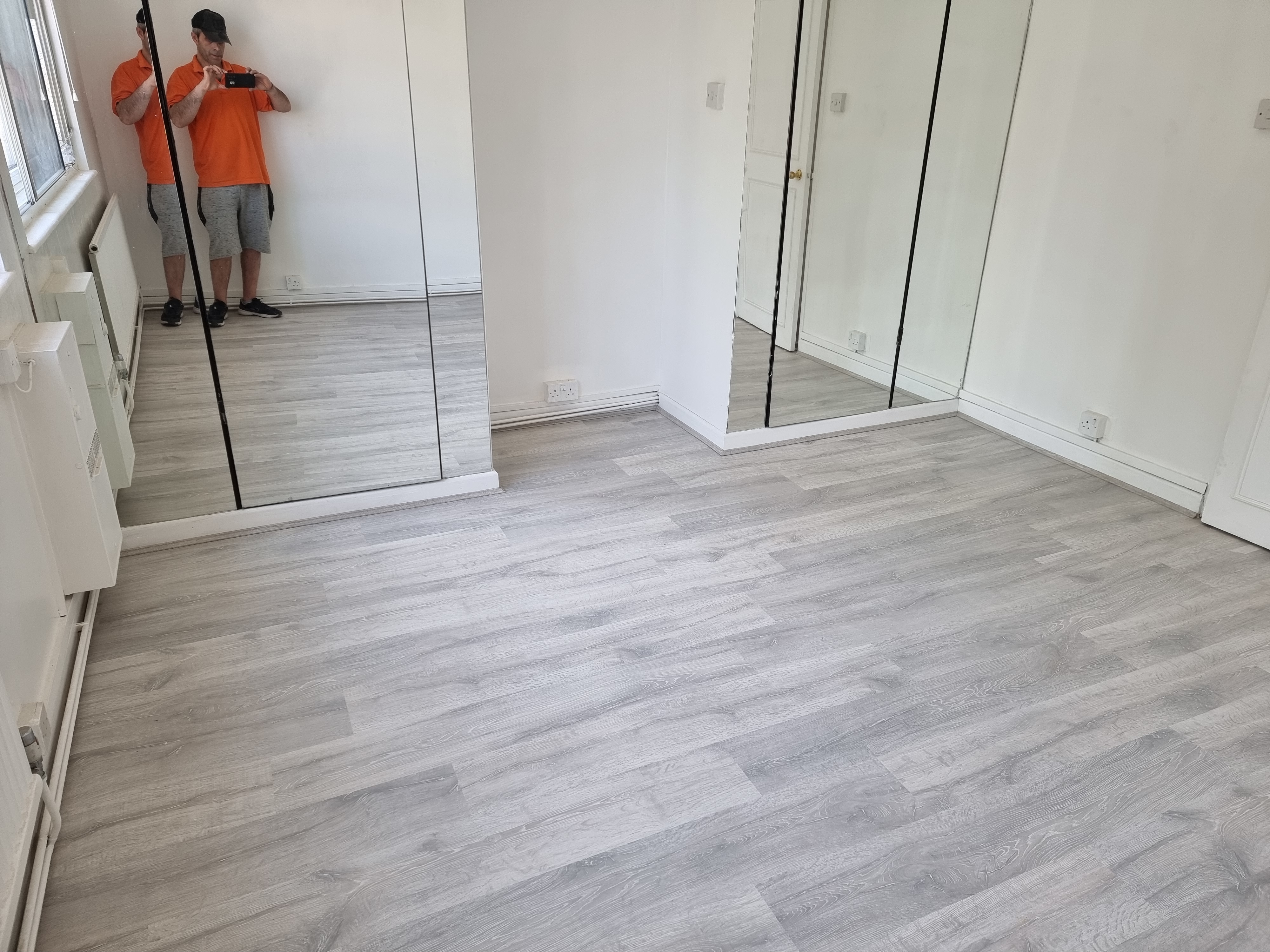
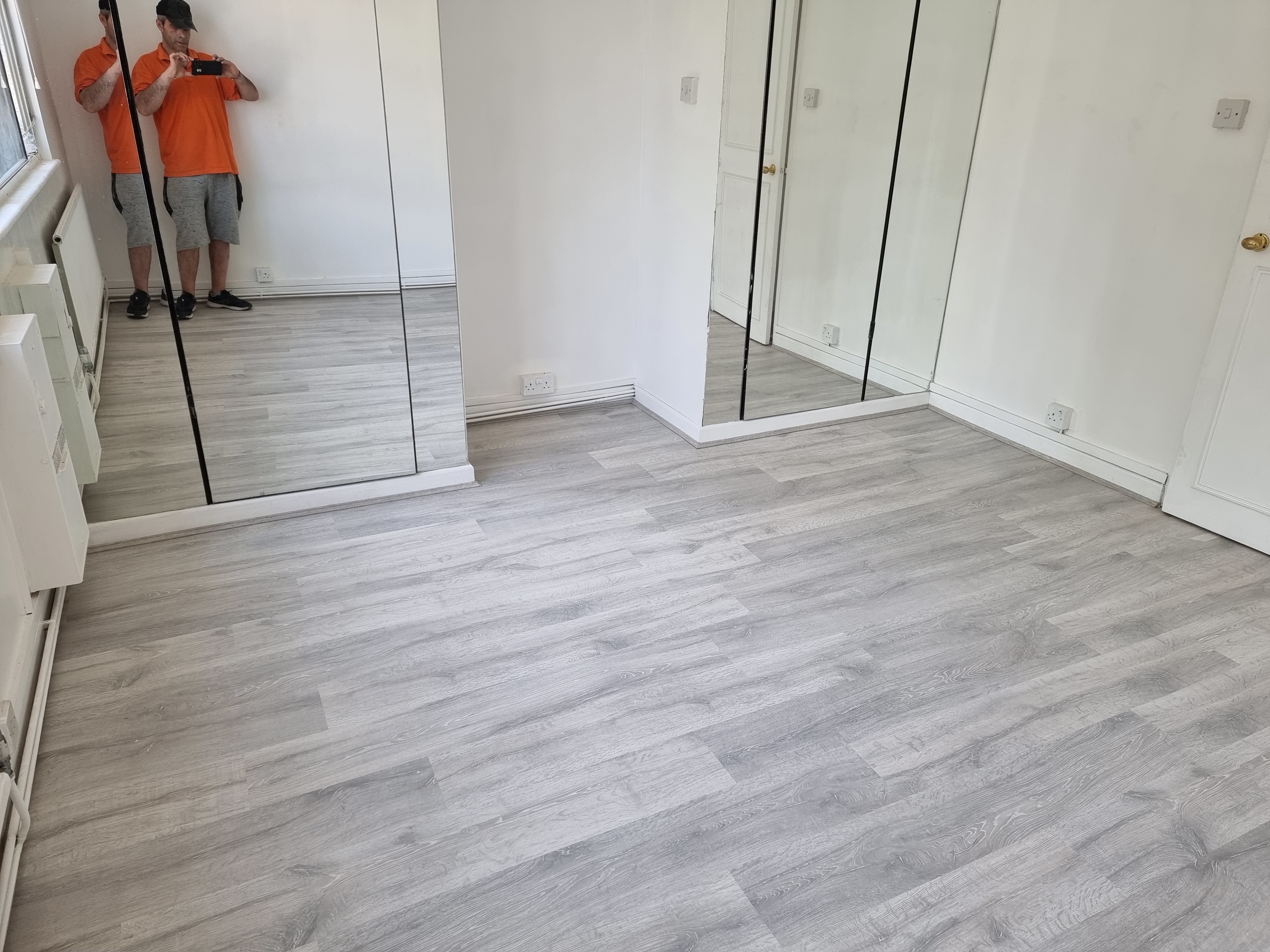
The completed laminate installation looked clean and finished throughout. Joins are tight, edges are neat, and the floor sits flat and stable. Beading and threshold strips were fitted where required to complete the job properly. The client was pleased with both the quality of the work and the appearance of the new floor.
Photos of the completed work:
Frequently Asked Questions
How long does laminate installation take?
Most fitting jobs are completed within one to two days. Larger areas or more detailed layouts such as herringbone patterns take longer due to the additional cutting and positioning involved.
Do I need underlay?
Yes, underlay is required for most floor types and helps with insulation, sound deadening, and levelling minor subfloor imperfections. We can supply and fit appropriate underlay as part of the installation.
How much does floor fitting cost in London?
Fitting costs typically range from £35 to £60 per square metre depending on floor type and complexity. We provide a full written quote before starting any work.
Have a similar project? Call us on 020 88309782 or Book a Free Site Visit
Show more
Project Overview
This project involved the professional sanding and restoration of an existing wood floor at a property in Kensington, W8. The floor had seen years of daily wear and was in need of attention to bring it back to a quality finish. Our team carried out a full assessment before starting work, checking for any boards that needed attention alongside the main sanding and finishing work.
...
Project Overview
This project involved the professional sanding and restoration of an existing wood floor at a property in Kensington, W8. The floor had seen years of daily wear and was in need of attention to bring it back to a quality finish. Our team carried out a full assessment before starting work, checking for any boards that needed attention alongside the main sanding and finishing work.
Before the Work
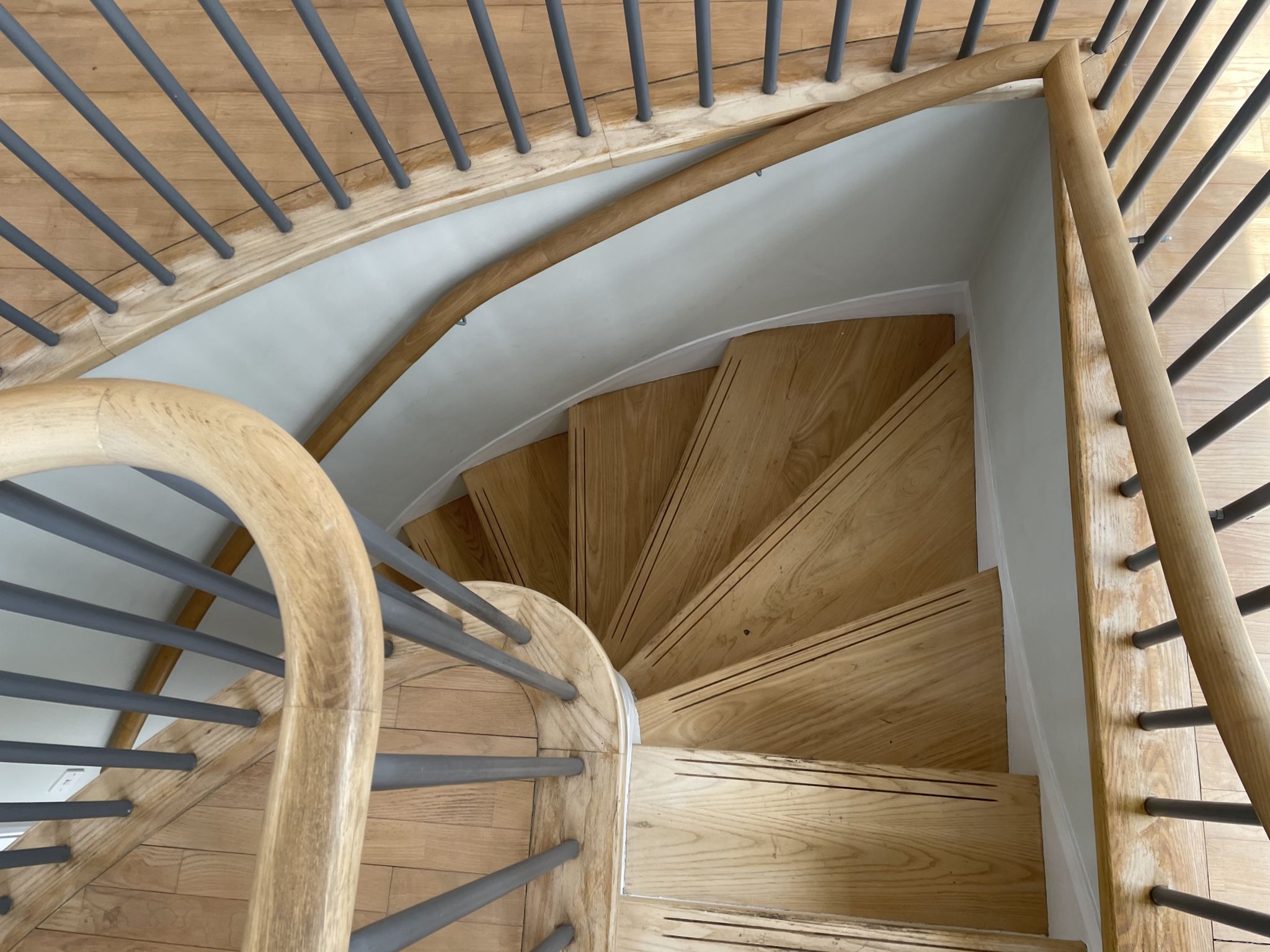
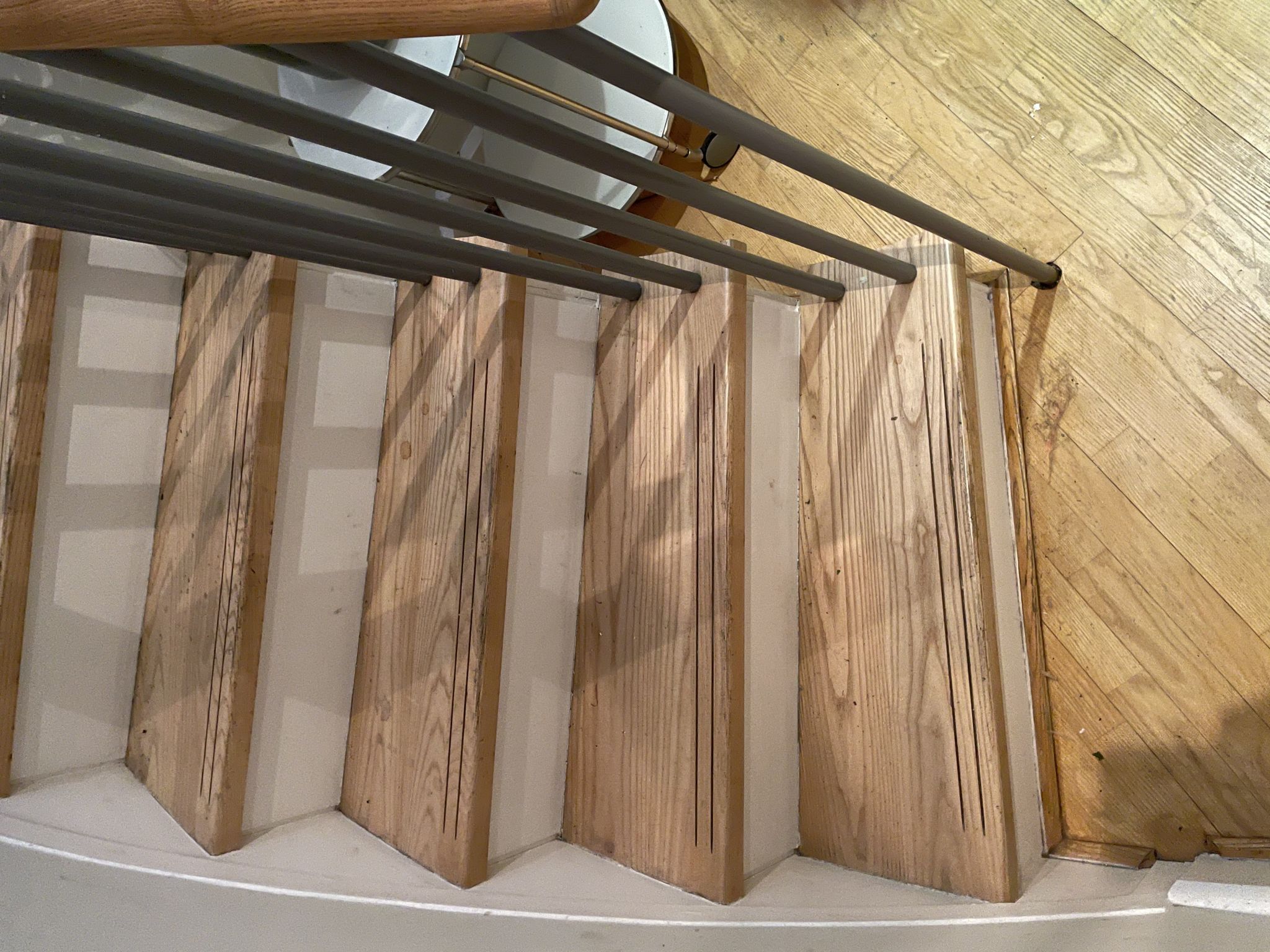
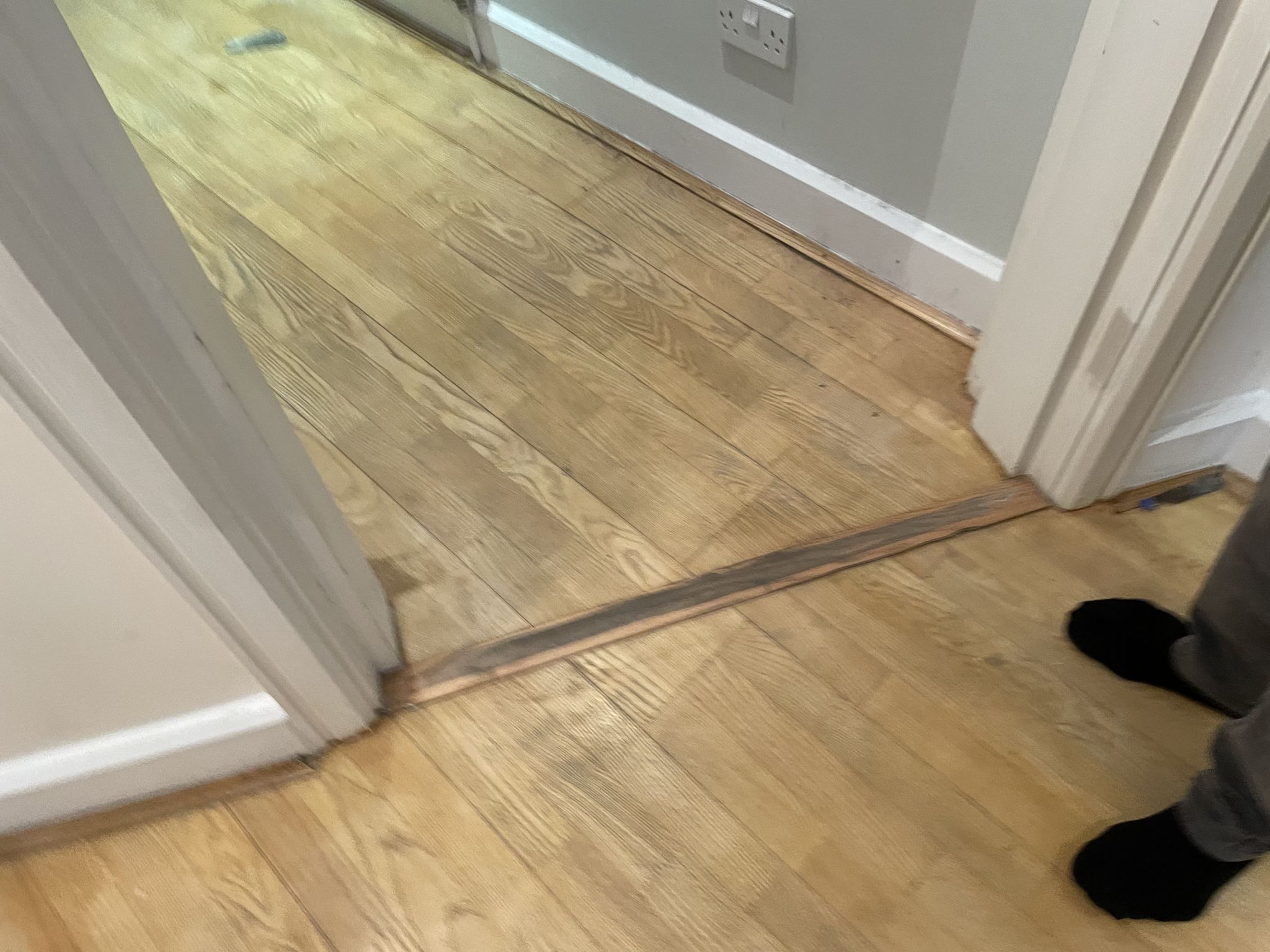
Before work began, the floor showed typical signs of wear. Surface scratches, dull patches, and general finish deterioration were present. A thorough survey was carried out to plan the correct sanding depth, assess board condition, and choose the most appropriate finish for the space.
Survey photos showing the floor condition before work:
Our Approach
The following services were carried out as part of this project:
- Furniture Moving
- Hardwood - Sand, Buff & Lacquer
- Stairs - Sand & Seal
- Thresholds & Fitting (inc. materials)
- Solid Oak Scotia Beading, Lacquered, 19x19 mm, 2.0 m
The Result
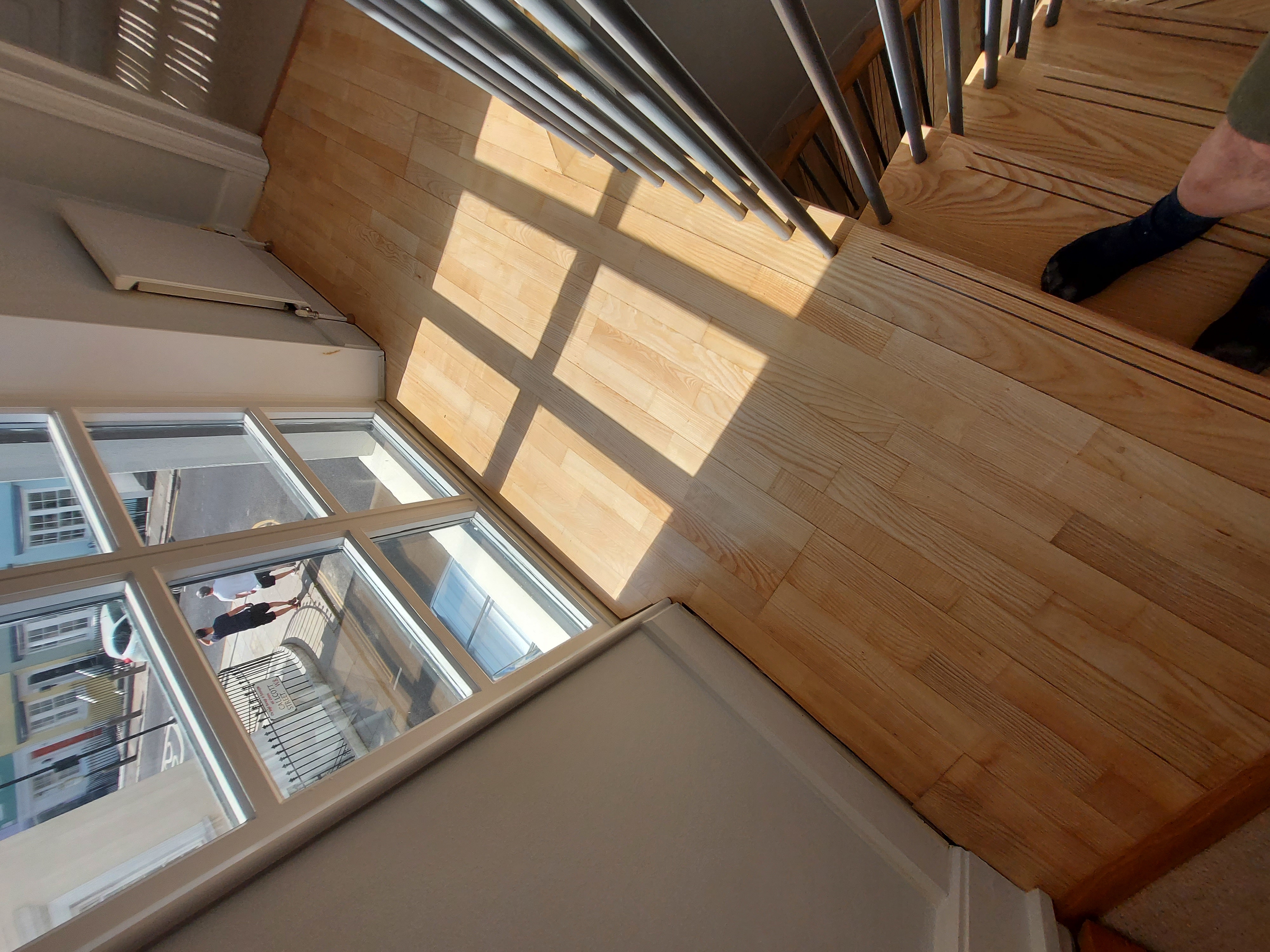
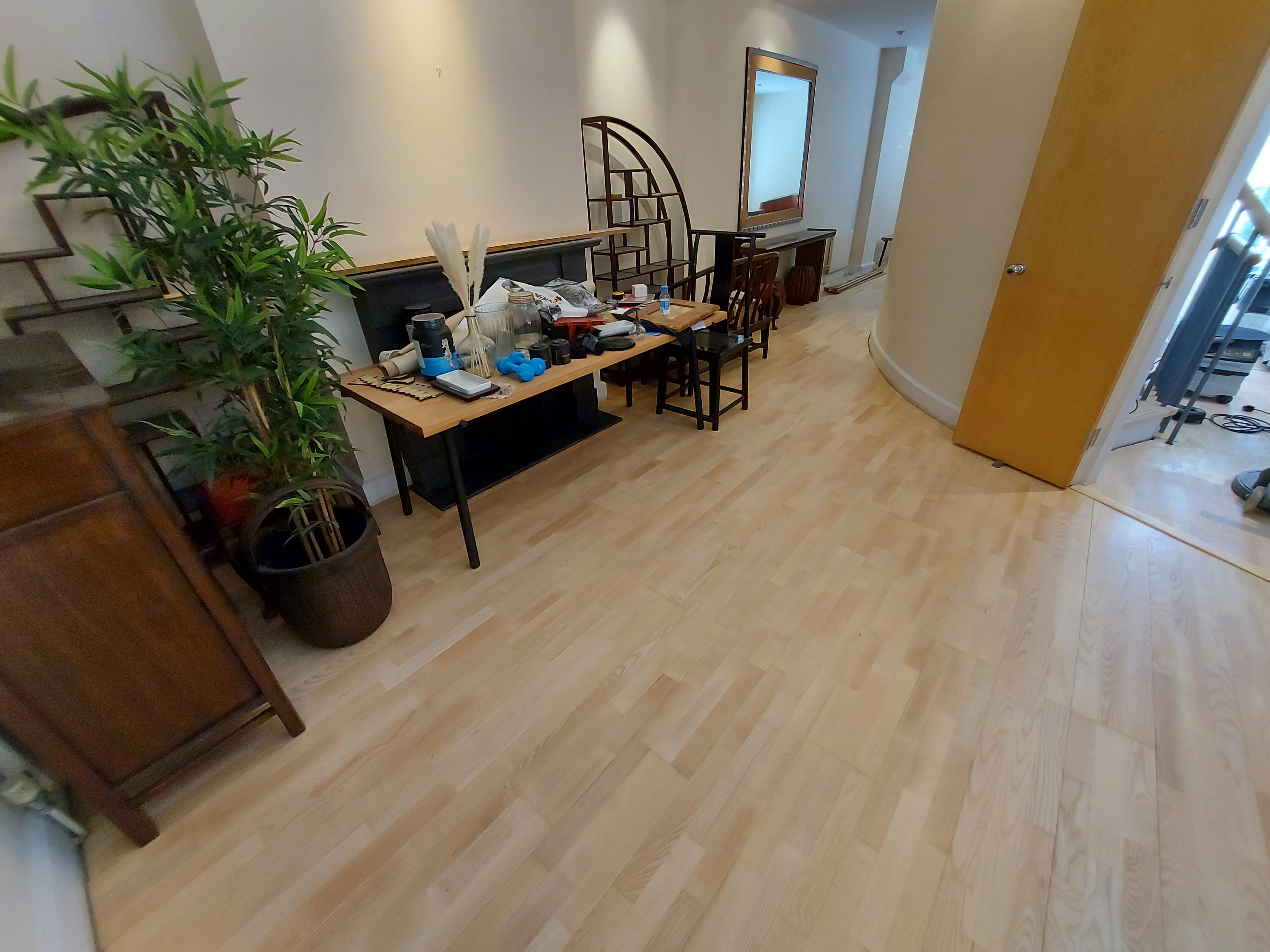
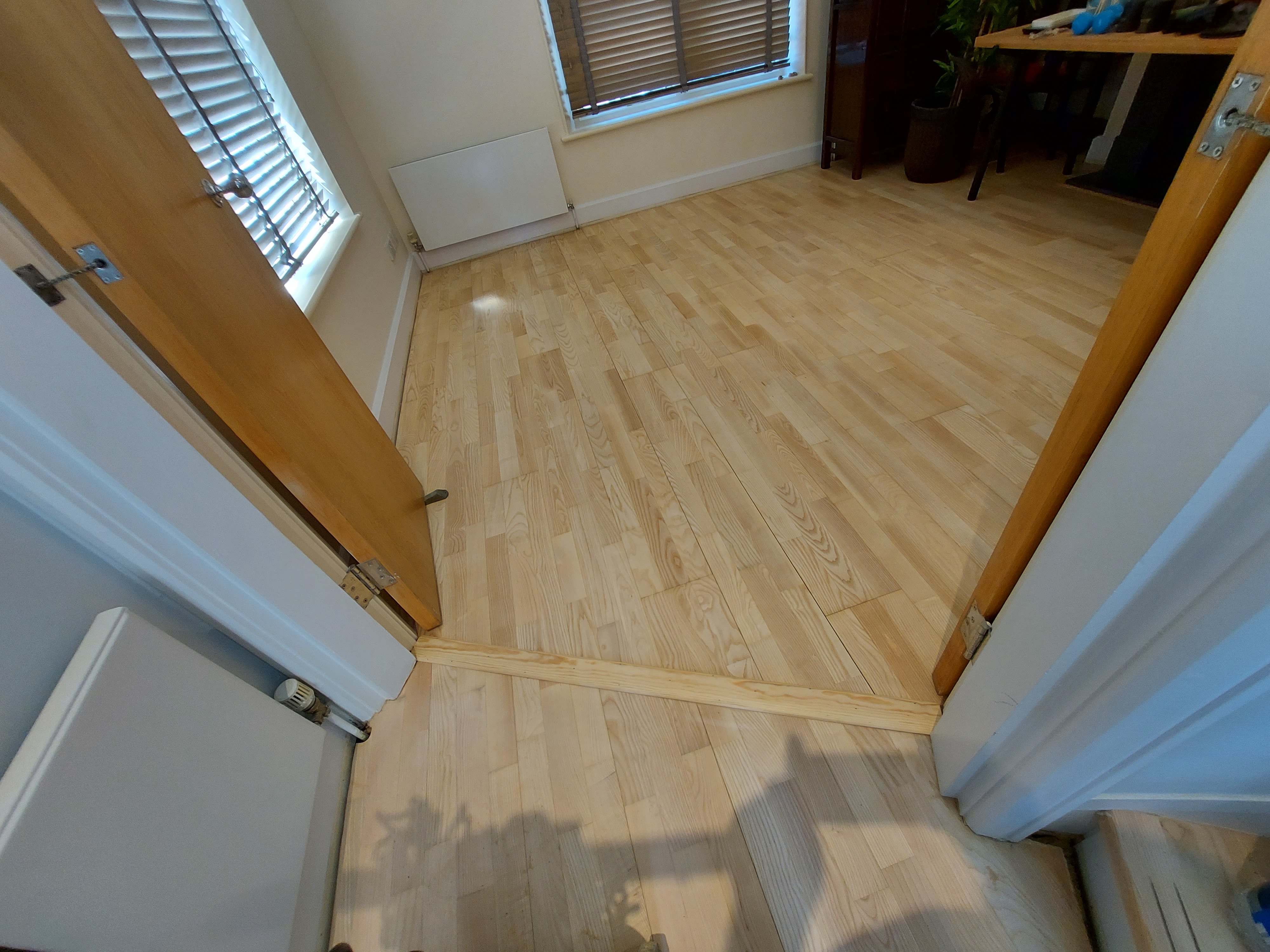
Once the sanding and finishing process was complete, the floor was transformed. The wood grain was opened up and brought back to life, the surface was smooth and even, and the new finish provided lasting protection. The client was left with a floor that looked, and performed, as good as new.
Photos of the completed work:
Frequently Asked Questions
How long does floor sanding take?
Most residential sanding jobs are completed in one to two days, depending on floor size and condition. Lacquering or oiling adds further drying and curing time, which we factor into the job schedule.
Do I need to vacate the property during sanding?
Modern dustless sanding equipment keeps dust to a minimum, but we recommend keeping pets and young children clear of the area during the work. Most clients remain in their property throughout.
How much does floor sanding cost in London?
Prices typically range from £25 to £45 per square metre depending on floor condition, finish type, and any repair work required. Gap filling and board replacement are priced separately if needed.
Have a similar project? Call us on 020 88309782 or Book a Free Site Visit
Show more
Project Overview
This project involved the professional sanding and restoration of an existing wood floor at a property in Islington, EC1V. The floor had seen years of daily wear and was in need of attention to bring it back to a quality finish. Our team carried out a full assessment before starting work, checking for any boards that needed attention alongside the main sanding and finishing work....
Project Overview
This project involved the professional sanding and restoration of an existing wood floor at a property in Islington, EC1V. The floor had seen years of daily wear and was in need of attention to bring it back to a quality finish. Our team carried out a full assessment before starting work, checking for any boards that needed attention alongside the main sanding and finishing work.
Before the Work
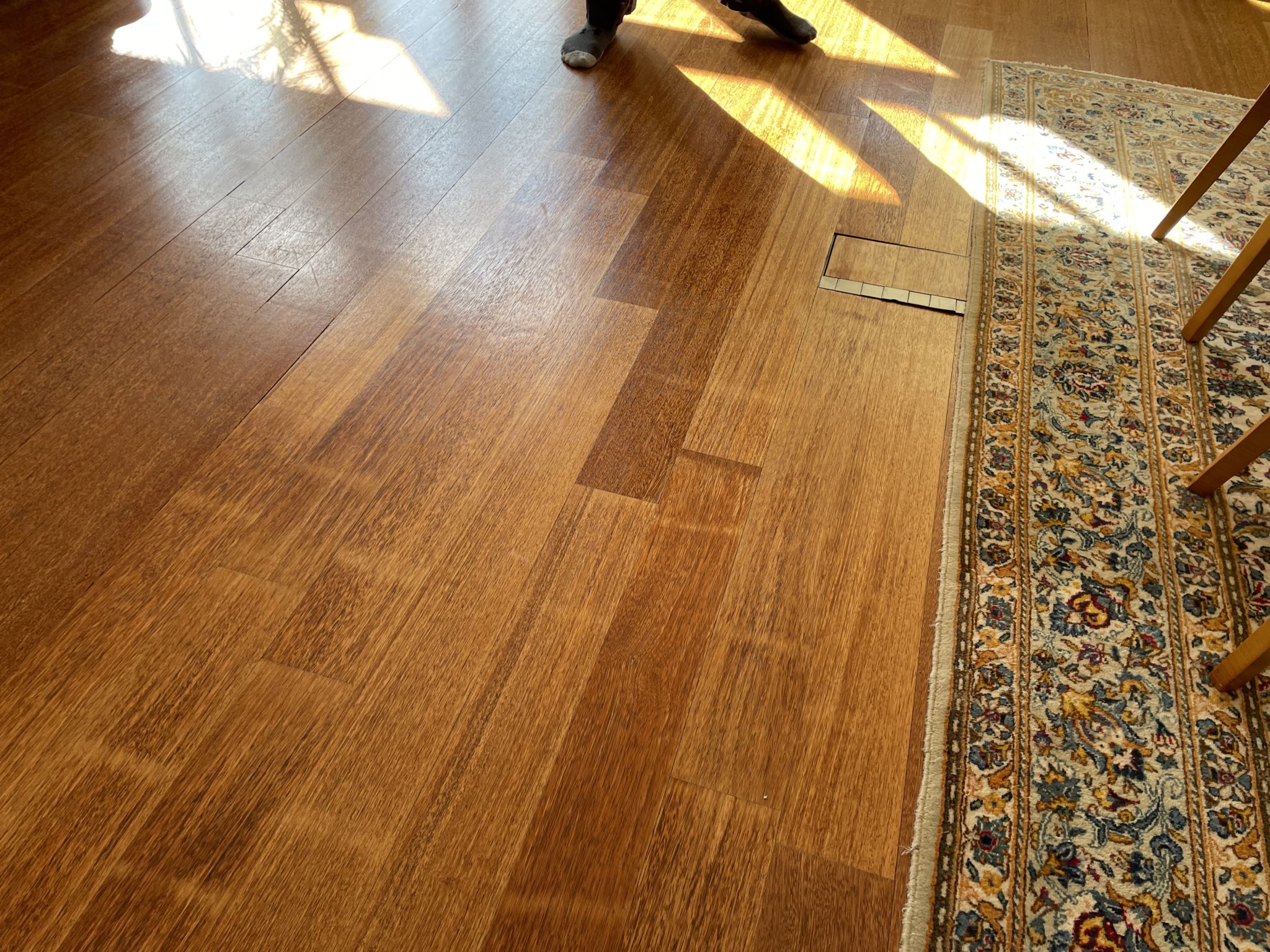
Before work began, the floor showed typical signs of wear. Surface scratches, dull patches, and general finish deterioration were present. A thorough survey was carried out to plan the correct sanding depth, assess board condition, and choose the most appropriate finish for the space.
Survey photos showing the floor condition before work:
Our Approach
The following services were carried out as part of this project:
- Extra Day Surcharge
- Furniture Moving
- Hardwood - Sand, Buff & Lacquer
- Moving Furniture Back
The Result
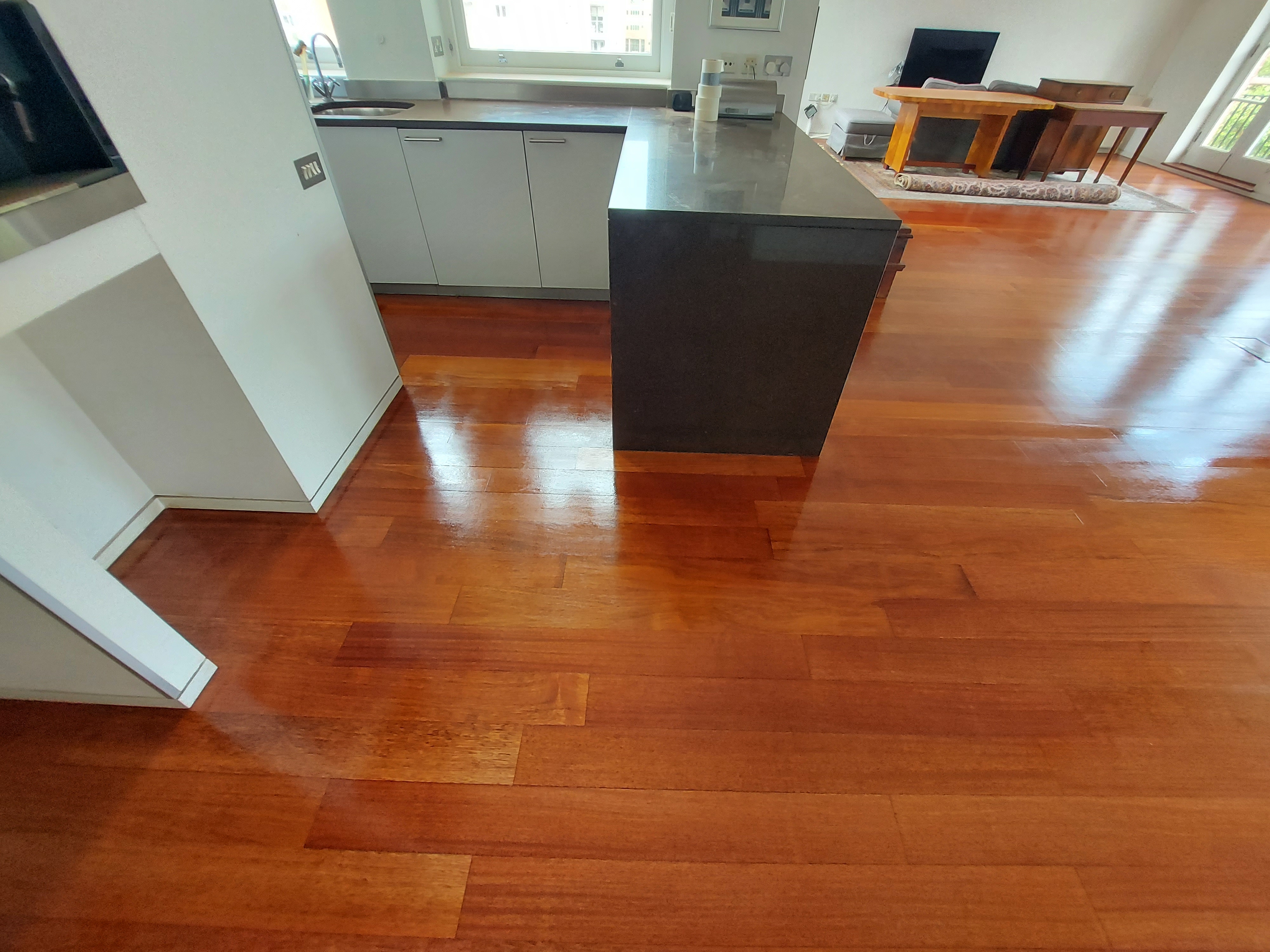
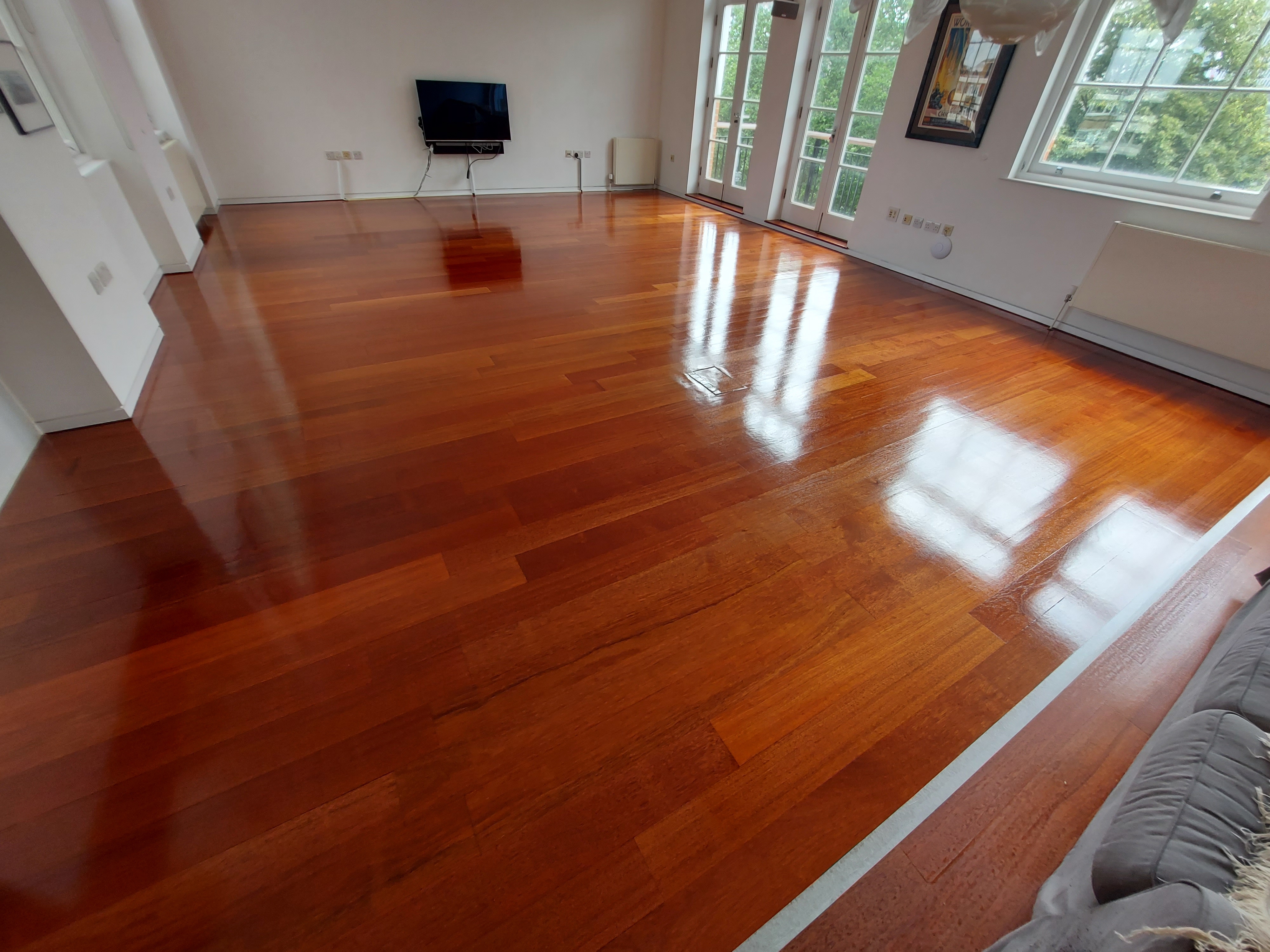
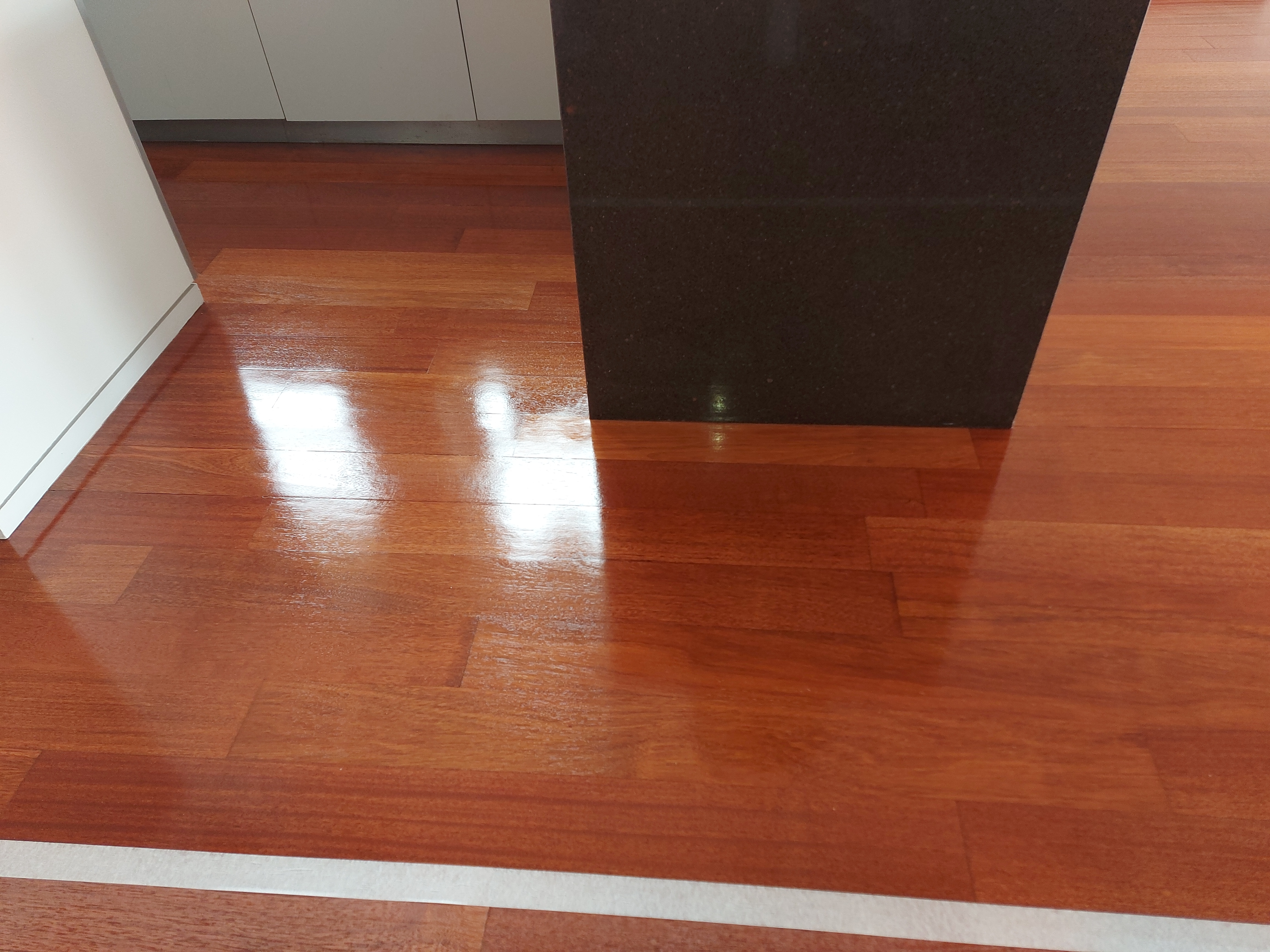
Once the sanding and finishing process was complete, the floor was transformed. The wood grain was opened up and brought back to life, the surface was smooth and even, and the new finish provided lasting protection. The client was left with a floor that looked, and performed, as good as new.
Photos of the completed work:
Frequently Asked Questions
How long does floor sanding take?
Most residential sanding jobs are completed in one to two days, depending on floor size and condition. Lacquering or oiling adds further drying and curing time, which we factor into the job schedule.
Do I need to vacate the property during sanding?
Modern dustless sanding equipment keeps dust to a minimum, but we recommend keeping pets and young children clear of the area during the work. Most clients remain in their property throughout.
How much does floor sanding cost in London?
Prices typically range from £25 to £45 per square metre depending on floor condition, finish type, and any repair work required. Gap filling and board replacement are priced separately if needed.
Have a similar project? Call us on 020 88309782 or Book a Free Site Visit
Show more