Back to Floor Sanding
Sandpaper Grit Guide for Wood Floor Sanding: How to Choose the Right Grades
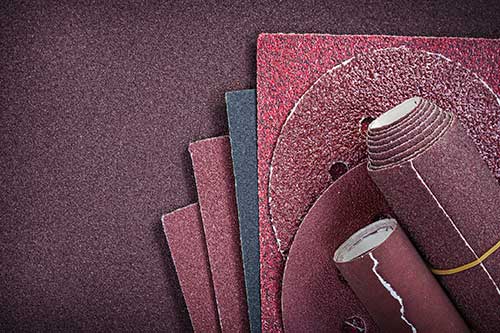 Choosing the right sandpaper grit is one of the most important factors in achieving a smooth, professional-looking wood floor finish, as each grit level removes material differently and affects the final surface quality. A proper sanding process always follows a progressive sequence from coarse to fine grit, ensuring old finishes and imperfections are removed first, while finer grits refine the surface and prepare the floor for staining, oiling, or varnishing.
What Is Sandpaper Grit?
Sandpaper grit refers to the size of abrasive particles used during sanding, with lower numbers removing material quickly and higher numbers creating a smooth finish. In the UK, grit numbers follow recognised standards that indicate how coarse or fine the sandpaper is, making it easier to choose the correct grade for each stage of floor sanding.
Grit size has a direct impact on sanding results. Coarse grits remove material quickly, making them ideal for stripping old finishes, levelling uneven boards, and removing deep scratches. Finer grits, on the other hand, remove very little material and are used to smooth out sanding marks, refine the surface, and prepare the wood for finishing. Using the correct grit at the right stage ensures efficiency, prevents damage, and delivers a clean, even final appearance.
How Sandpaper Grit Affects Floor Sanding
Coarse Grit (24–60)
Coarse grit sandpaper is used at the very first stage of floor sanding, where the goal is to remove material quickly. These aggressive grits are designed to strip away old varnish, paint, oil, or wax, while also flattening uneven boards and eliminating deep scratches, dents, or cupping in the wood. This grit range is best suited for heavily worn or neglected floors, floors with multiple layers of old finish, or surfaces that have never been sanded before. While effective, coarse grit leaves visible sanding marks, which is why it must always be followed by finer grades.
Medium Grit (80–120)
Medium grit sandpaper plays a critical transition role in the sanding process. Its main purpose is to remove the deep scratch patterns left by coarse grits while continuing to smooth and level the floor surface. At this stage, the floor starts to feel noticeably smoother, and remaining imperfections become more visible. Medium grits also help open the wood grain evenly, preparing the surface for finer sanding and ensuring consistent absorption of stains, oils, or sealers later on.
Fine & Very Fine Grit (150–220+)
Fine and very fine grits are used during the final sanding stages, where surface refinement is the priority rather than material removal. These grits smooth out minor sanding marks, soften the wood texture, and create an even, touch-ready surface. They are essential before applying varnish, oil, or stain, as they help achieve a flawless finish without visible swirl marks or scratches. Very fine grits are also commonly used for light sanding between coats, improving adhesion and enhancing the final appearance of the finished floor.
Sandpaper Grit Progression for Floor Sanding
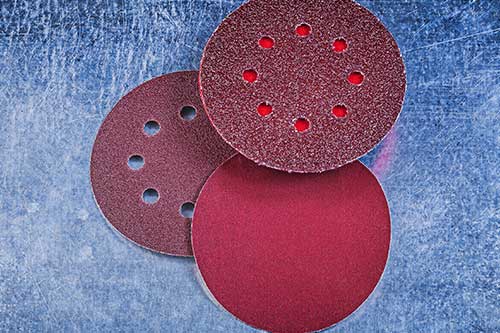
Using the correct grit progression is essential for achieving a smooth, professional finish. Each grit level is designed to remove the scratch pattern left by the previous one, so skipping grades often results in visible sanding marks that reappear after staining or varnishing. Even if the floor looks smooth, deeper scratches from earlier stages can become highlighted once a finish is applied.
A gradual progression ensures the surface is evenly refined at every stage, saving time in the long run and preventing costly re-sanding.
Typical Grit Sequence for UK Wood Floors
For most wood floor sanding projects in the UK, the following sequence works best:
- Coarse grit (24–40 or 60)
Used first to remove old finishes, heavy wear, deep scratches, and uneven boards.
- Medium grit (80–100 or 120)
Smooths out the aggressive marks left by coarse sanding and begins refining the surface.
- Fine grit (120–150)
Further smooths the floor and prepares it for finishing by creating a uniform texture.
- Final finishing grit (180–220+)
Used for final surface refinement or light sanding before applying varnish, oil, or stain.
For example, a heavily worn oak floor might be sanded using 40 → 80 → 120 → 180, while a floor in better condition may require fewer steps.
Adjusting Grit Progression Based on Floor Condition
Not all floors require the same approach, and grit progression should be adapted to the floor’s condition:
- Heavily worn or uneven floors:
Start with a lower grit (24–40) and follow a full progression to fully remove damage and level the boards.
- Light refinishing or previously sanded floors:
Often begin at 80 or even 100 grit, as there is less material to remove.
- Delicate or thinner floors:
A more conservative progression using finer starting grits helps avoid excessive material removal.
Choosing the right progression ensures the floor is properly prepared without unnecessary wear, delivering a smooth, even base for a long-lasting finish.
Choosing the Right Grit for Different Wood Types
Different wood species react differently to sanding, which is why grit selection should always be adjusted to the type of floor you are working on. Density, grain structure, and wear level all influence how aggressively you can sand without causing damage.
Hardwoods, such as oak, beech, or maple, are dense and durable, allowing you to start with a lower (coarser) grit when deep scratches, dents, or heavy wear are present. These floors can also tolerate higher finishing grits, resulting in a very smooth surface that enhances the final finish.
Softwoods and engineered floors require a more careful approach. Softwoods like pine mark easily, so starting with a grit that is too coarse can leave deep scratches that are difficult to remove. Engineered floors, while stable, often have a limited wear layer, meaning excessive coarse sanding should be avoided. In both cases, it’s safer to start slightly finer and progress gradually.
Recommended Grit Ranges for Common UK Wood Floors
| Wood Type / Species |
Typical Starting Grit |
Finishing Grit Range |
Notes |
| Oak (solid) |
40–60 |
150–180 (up to 220) |
Handles aggressive sanding well |
| Beech / Maple |
40–60 |
150–180 |
Dense grain, sands evenly |
| Ash |
40–60 |
150–180 |
Strong grain, benefits from full progression |
| Pine (softwood) |
60–80 |
120–150 |
Avoid very coarse grits |
| Douglas Fir |
60–80 |
120–150 |
Softer grain, scratches easily |
| Engineered wood |
80–100 |
120–150 |
Limited wear layer – sand cautiously |
Sandpaper Types & Materials: Which Works Best for Floor Sanding?
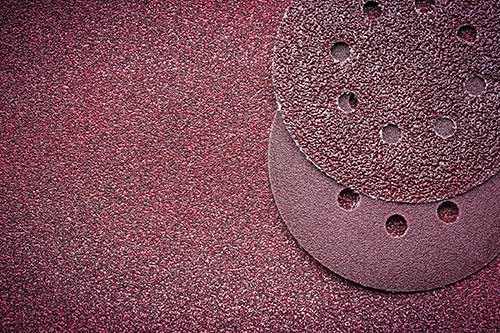
Not all sandpaper is the same. Beyond grit size, the abrasive material plays a key role in performance, durability, and suitability for different sanding tasks. When sanding wood floors, choosing the right abrasive can improve efficiency, reduce paper changes, and deliver a more consistent finish.
Aluminium Oxide
Aluminium oxide is the most widely used abrasive for wood floor sanding. It is tough, durable, and self-sharpening, meaning the grains break down gradually to expose fresh cutting edges as you work.
Best uses:
- Power sanding with drum, belt, and orbital sanders
- Coarse and medium sanding stages
- Large floor areas requiring consistent performance
This makes aluminium oxide the go-to choice for most professional and DIY floor sanding projects.Silicon Carbide
Silicon carbide is a sharper but more brittle abrasive. It cuts quickly but wears out faster than aluminium oxide, making it better suited for fine sanding and finishing work rather than heavy stock removal.
It is commonly used for hand sanding, edge sanding, and light between-coat sanding, especially when working with varnished or oiled floors. Silicon carbide is also effective for sanding harder finishes where a cleaner, controlled cut is needed.
Silicon Carbide
Silicon carbide is a sharper but more brittle abrasive. It cuts very cleanly but wears out faster than aluminium oxide, which limits its use for heavy sanding.
Best uses:
- Hand sanding and edge sanding
- Fine and very fine grits
- Light sanding between coats of varnish or oil
- Refining surfaces rather than removing material
It’s ideal where control and surface refinement are more important than speed.
Ceramic Abrasives
Ceramic abrasives are the most aggressive and longest-lasting option. They are designed for high-pressure sanding and maintain their cutting ability even under heavy load.
Best uses:
- Professional power sanding
- Heavily worn or uneven floors
- Very hard wood species where rapid material removal is required
Due to their cost and cutting power, ceramic abrasives are usually reserved for experienced users.
UK Availability
In the UK, aluminium oxide sandpaper is widely available from both DIY retailers and trade suppliers, making it the most practical choice for most jobs. Silicon carbide is also easy to source, particularly in fine grits for hand sanding and finishing work. Ceramic abrasives are typically stocked by specialist flooring or professional sanding suppliers rather than general DIY stores.
Choosing the correct sandpaper material alongside the right grit ensures better control, longer abrasive life, and a cleaner, more professional floor sanding result.
Practical Tips for Sanding with the Right Grit
Using the correct grit is only effective if it’s applied properly. Following a few practical sanding principles helps prevent surface damage, improves efficiency, and ensures the floor is ready for a high-quality finish.
Always sand with the grain of the wood whenever possible. Sanding across the grain can leave deep, visible scratches that are difficult to remove, especially on softer woods. Even when using professional sanding machines, the final passes should follow the grain direction to create a consistent surface texture.
Change sandpaper regularly. Worn or clogged abrasives stop cutting effectively and can burnish the wood rather than sand it, leading to uneven results and excessive heat. Fresh sandpaper removes material more evenly and reduces the risk of swirl marks or glazing.
Remove dust thoroughly between grit changes. Vacuuming the floor and edges after each sanding stage prevents leftover coarse particles from scratching the surface during the next, finer pass. This step is often overlooked but plays a major role in achieving a clean, scratch-free finish.
Use the same grit progression on edges and details. Edge sanders and detail sanders should follow the same grit sequence as the main floor sander. Skipping grits on the edges can leave visible differences between the centre of the floor and the perimeter, which become especially noticeable after staining or varnishing.
Applying these techniques alongside proper grit selection ensures a smoother sanding process and a more consistent, professional end result.
Common Mistakes to Avoid When Choosing Sandpaper Grit
Even with the right tools, poor sanding technique or incorrect grit choices can compromise the final result. Avoiding these common mistakes will save time and help achieve a smooth, even floor finish.
Starting with a grit that is too fine is a frequent error, especially with DIY sanding projects. Fine grits lack the cutting power needed to remove old finishes, deep scratches, or uneven areas, which means you spend far longer sanding without actually correcting the underlying problems.
Skipping grit stages is another mistake that often leads to disappointing results. Each grit is designed to remove the scratch pattern left by the previous one, and jumping from coarse straight to fine leaves deep sanding marks trapped beneath the surface. These scratches often only become visible after the floor has been stained or varnished.
Applying uneven pressure during sanding can cause dips, waves, or patchy areas across the floor. Pressing too hard in certain spots removes more material than intended, while lighter pressure elsewhere leaves the surface inconsistent. Let the sander and the abrasive do the work, maintaining steady, even movement throughout the process.
Avoiding these errors ensures a flatter surface, better finish quality, and a longer-lasting result.
FAQ — Sandpaper Grits & Floor Sanding
What grit should I start with on old varnished floors?
For old varnished floors, the starting grit depends on how thick and worn the finish is. In most cases, 40–60 grit is suitable for heavily coated or uneven floors, as it effectively removes old varnish and levels the surface. If the floor is in reasonable condition with a thinner finish, starting at 80 grit may be sufficient and reduces unnecessary material removal.
Can I use 220 grit as the first pass?
No, 220 grit is far too fine for the first sanding pass. Fine grits lack the cutting power to remove old finishes or imperfections and will only polish the surface. This wastes time and can actually make later sanding stages more difficult by sealing the wood rather than cutting it.
Do different wood species affect grit choice?
Yes, wood species plays a major role in grit selection. Hardwoods like oak or ash can handle coarser starting grits when needed, while softwoods such as pine require finer starting grits to avoid deep scratches. Engineered floors also need a cautious approach due to their thinner wear layers, often starting at a higher grit.
Can I sand between coats with high grit?
Yes, light sanding between coats is recommended. Using fine to very fine grits (180–220+) helps remove dust nibs, smooth minor imperfections, and improve adhesion between layers of varnish or oil. This step should be gentle and focused on surface refinement, not material removal.
Conclusion
Choosing the right sandpaper grit is essential for achieving a smooth, long-lasting wood floor finish. Matching the starting grit to the floor’s condition and wood type, using the correct abrasive material, and following a logical grit progression all play a key role in removing damage efficiently while protecting the floor.
By progressing steadily from coarse to fine grits, rather than skipping stages, you avoid hidden scratches, reduce re-sanding, and achieve a cleaner final result. Taking the time to use the correct grits at each stage ultimately saves time, improves finish quality, and ensures your wood floor looks its best once the final coat is applied.