Back to Wood Floor Fitting
Wood Flooring for Living Rooms: Complete Style & Finish Guide
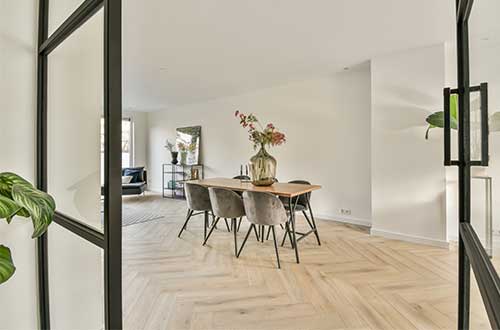 Selecting wood flooring living room homes requires careful consideration of aesthetics, durability, and practicality. Your living room is often the heart of your home, making it essential to choose flooring that complements your décor whilst withstanding daily foot traffic. The right wood flooring can transform your space, adding warmth, elegance, and significant value to your property. The UK market offers numerous wood flooring varieties, each with distinct characteristics that suit different interior styles and lifestyles. Understanding the differences between wood types, finishes, and installation methods will help you make an informed decision that you'll enjoy for years to come.
Types of Wood Flooring Available in the UK
Solid Hardwood Flooring
Solid hardwood remains the traditional choice for living rooms. This flooring comprises planks cut directly from timber logs, typically ranging from 18mm to 22mm thick. Popular hardwood species include oak, walnut, ash, and maple. Solid wood offers authenticity and can be sanded and refinished multiple times throughout its lifespan, potentially lasting over a century with proper care.
However, solid hardwood is susceptible to moisture and temperature fluctuations, making it less suitable for properties with underfloor heating or damp conditions. The cost is considerably higher than alternatives, and installation requires skilled professionals, adding to your investment.
Engineered Wood Flooring
Engineered wood flooring features a real wood veneer bonded to a plywood base, providing greater stability than solid wood. This construction makes engineered flooring ideal for living rooms with underfloor heating systems and variable humidity levels. It's more affordable than solid hardwood whilst maintaining authentic wood aesthetics.
The engineered structure also allows for wider planks and longer boards, creating a more spacious visual effect in smaller living rooms. Installation is often quicker and easier, with many engineered options featuring click-lock systems suitable for floating installations.
Laminate Wood-Look Flooring
Laminate flooring offers a budget-friendly alternative that replicates wood's appearance remarkably well. Modern laminate technology produces convincing wood-look finishes with realistic grain patterns and colour variations. It's exceptionally durable, resistant to scratches, stains, and moisture, making it practical for high-traffic family living rooms.
Despite its advantages, laminate cannot be refinished once the surface wears. Quality varies significantly between manufacturers, and cheaper options may appear less authentic or feel hollow underfoot.
Popular Wood Species and Colours for Living Rooms
Oak Flooring
Oak remains the most popular choice for UK living rooms, offering warm golden or reddish tones with distinctive grain patterns. Its robust nature makes it excellent for high-traffic areas, and its classic appeal suits traditional, contemporary, and transitional interiors. European oak tends toward cooler honey tones, whilst American oak displays warmer, more pronounced grain.
Walnut and Dark Woods
Walnut and darker timber species create sophisticated, dramatic living room environments. These woods absorb more light, making rooms feel cosier and more intimate. They pair beautifully with modern furnishings, creating striking contemporary spaces. Dark wood floors require more frequent cleaning to show dust, but the aesthetic impact justifies the maintenance for many homeowners.
Light and Pale Finishes
Lighter woods, such as ash and maple, brighten living rooms and create an airy, spacious feel. These options work particularly well in smaller rooms or those with limited natural light. Pale finishes suit Scandinavian, minimalist, and coastal interior styles, offering versatility with various colour schemes.
Choosing the Right Finish for Your Wood Floor
Matt Finish
Matt finishes provide a natural, understated appearance that highlights the wood's authentic texture and grain characteristics. They hide footprints and dust more effectively than glossy alternatives, requiring less frequent cleaning. This finish suits rustic and traditional living rooms, though it offers less protection against spills and requires regular maintenance with specialist cleaners.
Satin Finish
Satin finishes offer an excellent middle ground, providing subtle sheen without the reflective quality of high-gloss options. They enhance the wood's natural beauty whilst offering improved durability and easier maintenance. Satin-finished floors resist dust marks better than matte alternatives and suit most interior styles, from contemporary to traditional.
Gloss and High-Gloss Finishes
High-gloss finishes create a striking, formal appearance with superior light reflection. They're exceptionally durable and easy to clean, making them practical for busy families. However, gloss finishes highlight footprints and dust, requiring frequent cleaning. They also create slip hazards if not properly maintained, potentially posing safety concerns for households with elderly members or young children.
Key Factors to Consider When Selecting Your Flooring
- Underfloor Heating Compatibility: Engineered wood and laminate suit underfloor heating systems better than solid hardwood, which can warp or gap when exposed to heat fluctuations.
- Room Size and Natural Light: Lighter woods and wider planks visually expand smaller living rooms, whilst darker woods create cosiness in spacious areas with abundant natural light.
- Household Composition: Families with young children or pets benefit from scratch-resistant engineered wood or laminate, whilst established households without pets might prioritise authentic solid hardwood.
- Budget Constraints: Solid hardwood requires the largest investment, whilst laminate offers the most affordable option with engineered wood providing a practical middle ground.
- Traffic Patterns: High-traffic living rooms demand durable finishes and construction methods. Engineered wood and laminate excel in these situations.
- Moisture Levels: Properties in damp areas or regions with high humidity should avoid solid hardwood in favour of engineered or laminate options.
- Aesthetic Preferences: Consider your existing décor and future design plans. Versatile neutral tones such as medium oak suit evolving interiors, whilst statement colours commit you to specific design directions.
Installation and Maintenance Considerations
Professional floor installation ensures your wood flooring performs optimally and maintains warranty coverage. The subfloor must be properly prepared, level, and moisture-tested before installation commences. Solid hardwood requires acclimation time before fitting, allowing the wood to adjust to your home's temperature and humidity. Maintenance varies by flooring type. Solid wood needs regular oiling or sealing, whilst engineered wood and laminate require only occasional damp mopping. Avoid excess moisture, harsh chemicals, and prolonged exposure to sunlight, which causes fading. Placing rugs in high-traffic areas and using furniture protectors reduces wear and maintains your flooring's appearance for decades.
Making Your Final Decision
Choose wood flooring for the living room selections based on your lifestyle, budget, and aesthetic vision. Visit showrooms to view samples in natural light, observe how different species and finishes reflect your living room's lighting conditions, and consult with experienced installers about your specific property's requirements. Quality wood flooring represents a significant investment that adds enduring beauty and value to your home when chosen thoughtfully.