Back to Floor Sanding
Is Floor Sanding Worth It? Real Costs, Benefits, and When to Replace Instead
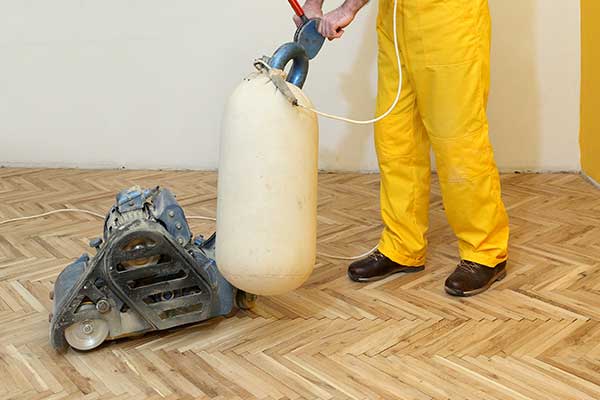 Is your wooden floor starting to look tired, scratched, or dull — but you’re not sure if it’s worth fixing? You’re not alone. Many homeowners across London wonder the same thing: Should I sand my existing floors or just replace them entirely? The answer depends on the condition of your flooring, your budget, and how long you plan to stay in your home.
Wood floor sanding is a process that removes the top layer of wood using specialist dust-free machines, revealing a smooth, fresh surface that’s then sealed with a protective finish. It can dramatically transform worn floors — often in just 1–2 days — and at a fraction of the cost of full replacement.
But is it always the best choice?
In this guide, we’ll break down the real costs, key benefits, and red flags to watch for. By the end, you’ll know exactly whether floor sanding is the right move for your home — or if it’s time to consider a full replacement instead.
What Is Floor Sanding and What Does It Involve?
Floor sanding is the process of removing the top layer of a wooden floor using specialist machines to smooth out scratches, stains, and wear. Once sanded, the surface is sealed with a durable finish like lacquer, oil, or hard wax to protect it and enhance its natural beauty.
Modern sanding uses industrial-grade, dust-free equipment, which captures 99% of the fine particles that traditional machines would leave behind. That means no plastic sheeting, no lingering mess — just clean, efficient work with minimal disruption.
The process typically involves:
-
Inspecting the floor for damage, nails, or gaps
-
Coarse sanding to remove old finishes
-
Fine sanding for a smooth surface
-
Optional staining (if you want a new colour)
-
Sealing with your chosen finish
Tip: Satin lacquer is ideal for busy homes — it’s long-lasting, fast-drying, and easy to maintain.
What floors can be sanded?
This service is suitable for:
-
Solid hardwood (e.g. oak, walnut, maple)
-
Softwood (e.g. pine)
-
Engineered wood with a real wood wear layer
-
Parquet blocks and mosaic wood patterns
It’s not suitable for:
If you’re unsure whether your floor can be sanded, a quick inspection by a professional can give you a clear answer — and prevent costly mistakes.
Benefits of Floor Sanding vs. Replacing
When your wooden floor is looking worn, it’s tempting to think replacement is your only option. But in many cases, sanding delivers the same transformation — faster, cleaner, and for a lot less money.
Here’s why smart homeowners across London choose floor restoration over full refits:
1. Major Cost Savings
Replacing flooring can cost £60–£120+ per square metre, once you factor in materials, labour, disposal, and VAT. In contrast, professional sanding and sealing ranges from just £20–£35/m², depending on your floor type and finish.
Savings tip: You keep your existing timber — no need to buy new boards or pay for waste removal.
2. Preserves the Character of Your Home
Original wooden floors — especially in Victorian or Edwardian homes — often have unique features that modern replacements can’t match. Sanding restores their natural warmth and grain, keeping your home’s period charm intact.
3. Less Disruption to Your Routine
Sanding usually takes 1–2 days and doesn’t require removing skirting boards, altering door heights, or lifting the entire subfloor. There’s minimal dust, no demolition, and no need to move out.
Ideal for busy households or rental properties where time is tight.
4. A More Sustainable Option
Why rip up good wood when you can revive it? Sanding reduces construction waste and lowers your carbon footprint by extending the life of what you already have. It’s an eco-friendly upgrade that doesn’t compromise on looks.
When Is Floor Sanding Not Worth It?
While floor sanding can work wonders, it’s not always the best solution. In some cases, trying to restore damaged or unsuitable flooring can lead to poor results, wasted money, or even permanent damage.
Here are the key red flags that tell you it might be time to consider replacement instead:
1. Severely Water-Damaged Floors
If your floors have warped, cupped, or gone soft due to water damage (from leaks, floods, or repeated moisture exposure), sanding won’t fix the structural integrity. In fact, it could make things worse.
Example: A hallway in Islington with oak boards buckled from a past boiler leak — replacement was the only safe option.
2. Too-Thin Floorboards
Solid wood floors can only be sanded so many times — usually 3–4 times in their lifetime. If they’ve already been refinished in the past and are under 4–5mm thick, further sanding may expose nails or tongue joints.
Visual test: If you see nail heads or a paper-thin wear layer near door thresholds, it’s time to stop sanding.
3. Laminate or Engineered Flooring Without a Real Wood Layer
Laminate floors are made of printed paper or vinyl layers — sanding them destroys the surface. Engineered floors with a veneer under 2.5mm also can't be sanded safely.
Pro tip: If you’re unsure what type of floor you have, try removing a vent cover or threshold strip — the side view of the board often reveals the structure.
Not Sure? Get a Free Assessment
Our expert team offers free on-site evaluations across Greater London. We’ll inspect your floor, measure thickness, and advise whether sanding is a safe and cost-effective option — or if replacement would be the smarter investment.
Floor Sanding vs. Replacement: Cost Comparison
Not sure whether to refinish or replace your floors? Here’s a quick side-by-side breakdown to help you weigh the pros and cons at a glance:
| Project Type |
Average Cost per m² |
Time to Complete |
Lifespan |
Best For |
| Floor Sanding |
£20–£35 |
1–2 days |
7–10 years |
Solid or engineered wood floors in good condition |
| Full Replacement |
£60–£120+ |
3–5 days |
15–25 years |
Severely damaged, warped, or outdated flooring |
Floor sanding is ideal when your existing boards still have life in them — it’s fast, cost-effective, and keeps the character of your home.
Replacement makes sense when the wood is too damaged, too thin, or not suitable for restoration. It’s more expensive upfront but can increase property value long-term.
Not sure which applies to your home? We’ll tell you honestly — and back it up with photos and advice on-site.
Real-Life Examples from London Homes
Still unsure if sanding is right for you? Here are three real-world projects from London clients who faced the same decision — and what we recommended based on their floors’ condition and goals.
Case Study 1: Victorian Flat in Clapham – Sanded & Restored
-
Floor Type: Original pine floorboards
-
Issue: Worn finish, light scratching, small gaps between boards
-
Action: Gap-filling + sanding + satin lacquer finish
-
Timeline: 1.5 days
-
Result: The natural honey tone of the wood was revived, adding warmth and value while preserving the home’s period charm.
-
Why Sanding Won: The boards had never been refinished before and were structurally sound.
Case Study 2: 1930s Semi in Ealing – Partial Replacement
-
Floor Type: Engineered oak (top layer <2mm)
-
Issue: Previous sanding attempt had thinned the veneer; cupping from old leak
-
Action: Full replacement with rustic oak engineered planks
-
Timeline: 4 days
-
Result: The homeowners upgraded to a longer-lasting, more stable floor with minimal visual difference from the original
-
Why Replacement Won: The existing floors were beyond safe restoration limits.
Case Study 3: Rental Flat in Shoreditch – Quick Sand & Seal
-
Floor Type: Hardwood (walnut)
-
Issue: Surface scratches, dulled finish, light wear from tenants
-
Action: Fine sanding + clear matte lacquer
-
Timeline: 1 day
-
Result: The flat was market-ready in 24 hours with a clean, refreshed look.
-
Why Sanding Won: Cost-effective and time-sensitive — perfect for a rental turnaround.
Each project starts with a clear, honest evaluation. Whether you choose to sand or replace, we’ll help you make the right call for your home, budget, and goals.
Frequently Asked Questions
Can you sand laminate floors?
No — laminate flooring cannot be sanded. It has no real wood surface; instead, it’s made of synthetic layers with a photographic wood pattern. Attempting to sand it will ruin the floor.
If you’re unsure what type of floor you have, we can confirm during a free on-site assessment.
How many times can wood floors be sanded?
Most solid wood floors can be sanded 3 to 5 times over their lifespan. Engineered wood can usually be sanded once or twice, depending on the thickness of the top wood layer (minimum 2.5mm recommended).
What if my floors have nails or gaps?
Not a problem — we routinely fill gaps, reset protruding nails, and secure loose boards before sanding. This prep work is included in most of our quotes to ensure a smooth, long-lasting finish.
Does sanding increase property value?
Yes. Freshly sanded and sealed wood floors can boost a home’s visual appeal and marketability — especially in period properties. Buyers often prefer natural wood over carpet or laminate, and it signals proper care and maintenance.
Many London estate agents cite restored floors as a top selling point for character homes and flats.
Not Sure What to Do? Book a Free Floor Assessment in London
Whether you're looking to revive your floors or need honest advice on whether replacement makes more sense, we're here to help. Based in London, FlooringFirst has over 20 years of experience, trusted by homeowners across Greater London for:
-
99% dust-free sanding
-
Fully insured, guaranteed work
-
Transparent, no-obligation quotes
Call us on 020 8830 9782 or book a free site visit! Let’s find out what’s best for your floors — and your budget.