Back to DIY Advice
Buying LVT or LVP Flooring in the UK? Read This Checklist First
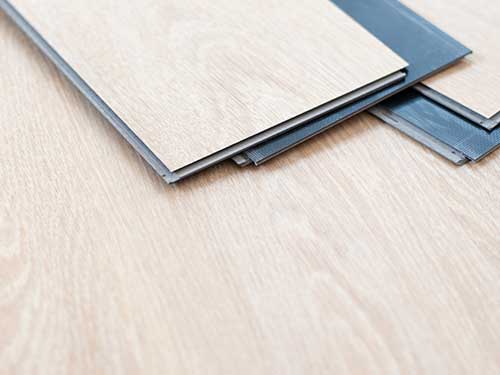
Before you invest in LVT flooring (or what many people call LVP flooring), it’s worth knowing what actually affects performance in real homes — not just what looks good in the sample board.
This guide is written for UK homeowners who want a floor that stays stable, looks right, and doesn’t end up needing fixes because of the wrong product choice or poor subfloor prep. You’ll get a practical checklist (wear layer, thickness, core type, installation method), the most common pitfalls we see, and how to avoid spending money twice.
First, what’s the difference between LVT and LVP?
LVT stands for Luxury Vinyl Tile — it’s the broader category, and it can come as tiles, planks, or patterned formats. LVP stands for Luxury Vinyl Plank — it’s basically the plank-shaped version people often use as a shorthand term, especially when they’re looking for a “wood look” floor.
In the UK, you’ll also see terms like SPC and WPC, which refer to the core construction. These matter because they affect stability, feel underfoot, and how forgiving the floor is if your subfloor isn’t perfectly flat.
The important takeaway: don’t choose based only on the label. Choose based on the specification and the installation conditions — because that’s what determines whether the floor performs well long-term.
The 60-Second Buyer Checklist (Wear Layer, Thickness, Core & Installation)
If you only take one thing from this guide, make it this: LVT/LVP success is mostly decided before the first plank is laid. The right spec, the right core, and the right LVT installation method matter more than the colour or brand name.
- Wear layer (the “real durability” factor): The wear layer protects the printed design. For busy homes, hallways, open-plan areas, and pets, avoid ultra-thin wear layers and choose a spec designed for higher traffic.
- Total thickness (comfort + stability): Thicker doesn’t automatically mean “better”, but very thin boards can feel harder underfoot and show problems sooner if the subfloor isn’t perfectly flat.
- Core type (SPC vs WPC vs standard LVT): The core affects stability, noise/feel, and how forgiving the floor is over minor imperfections. This is one of the most overlooked choices when people buy based on looks alone.
- Installation method (click vs glue-down): Click systems are popular for DIY, but joint quality and subfloor flatness become critical. Glue-down can be extremely solid, but only when prep and adhesive choice are correct.
- Subfloor flatness (the hidden deal-breaker): Many “problem LVT floors” aren’t bad products — they’re installed over dips, ridges, dust, old adhesive, or uneven boards. If the subfloor isn’t right, the floor won’t be right.
- Moisture risk (especially on concrete): Moisture isn’t always visible. If you’re fitting over concrete, you need the correct moisture strategy (DPM/vapour barrier system where required) or you risk movement and joint issues later.
- Sunlight exposure: Strong, direct sun can cause fading and heat-related movement. In bright rooms, factor in blinds/UV protection and leave correct expansion gaps.
- Room suitability: Kitchens, bathrooms, and basements can be fine for many LVT floors, but only if the product rating and installation system match the environment.
- Warranty “fine print”: Warranties often depend on correct subfloor tolerances, acclimatisation, and approved underlays/adhesives. If you skip steps, you may void the cover even with a premium product.
SPC vs WPC vs “Standard” LVT: What Actually Changes (and What to Choose)
When people compare LVT flooring options, they often focus on the design layer and price — but the core construction is what affects stability, feel underfoot, and how tolerant the floor is to real-world subfloor conditions. In simple terms: the core influences whether the floor stays flat, stays locked, and stays quiet.
Standard LVT (flexible luxury vinyl)
Standard LVT is typically more flexible than rigid-core products. When installed correctly (especially in glue-down form), it can feel solid and look excellent. However, flexibility means it can be less forgiving if the subfloor isn’t properly prepared.
- Best for: Glue-down installations where the subfloor can be made very smooth and stable.
- Main advantage: A very “flat” finish with minimal hollow sound when bonded properly.
- Watch out for: Any bumps, ridges, old adhesive lines, or uneven timber can show through over time if prep is poor.
SPC (Stone Plastic Composite) rigid core
SPC is a rigid-core product designed for stability. It generally handles temperature changes and everyday traffic well, and it’s often chosen for busy households because it feels firm and tends to resist dents better than softer cores. Many click LVT/LVP products in the UK are SPC-based.
- Best for: Busy homes, hallways, open-plan spaces, and areas where you want a more stable rigid-core floor.
- Main advantage: Strong stability and a firm feel underfoot.
- Watch out for: Rigid core does not “hide” an uneven subfloor — it can bridge small imperfections, but dips and humps still lead to movement, noise, or joint stress.
WPC (Wood Plastic Composite) rigid core
WPC is also rigid-core, but it’s usually a little more forgiving and comfortable underfoot than SPC because it often has a softer, more cushioned structure. People who want a warmer, quieter feel sometimes prefer WPC — especially in bedrooms and living rooms.
- Best for: Areas where comfort and acoustic feel matter, such as bedrooms and lounges.
- Main advantage: Often a slightly softer, warmer feel and better sound absorption.
- Watch out for: Depending on the product, it can be more prone to denting than SPC in heavy-use areas.
So which one should you pick?
Use these quick decision rules:
- If you want the most stable “workhorse” option for busy areas, start by comparing good-quality SPC ranges.
- If comfort and sound matter most, compare WPC (but still prioritise wear layer and a quality joint system).
- If you’re going glue-down and can achieve a very smooth subfloor, standard LVT can give a really premium finish.
Click vs Glue-Down LVT: Which Installation Lasts Longer (and Why It Matters)
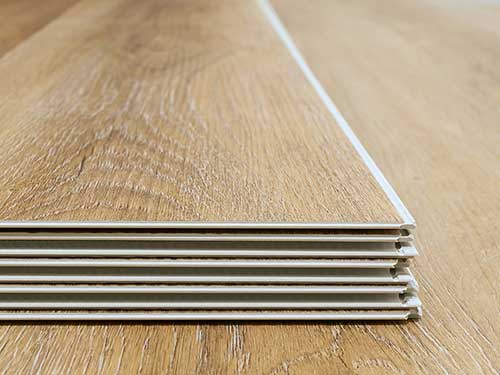 This is where most UK buyers make the wrong call. People often choose click LVT/LVP because it feels easier, cleaner, and more “DIY-friendly”. Others assume glue-down LVT is automatically better because it’s what pros use. The truth is: both can be excellent — but only when they match the subfloor conditions and the room.
Click (floating) LVT / LVP
Click systems lock planks together and “float” over the subfloor (usually with an underlay). The benefit is speed and easier replacement if damage happens later. The downside is that the whole floor behaves as one surface — so if the subfloor isn’t flat, the joints take the stress.
- Best for: Renovations where you want a faster installation, and the subfloor can be made genuinely flat.
- Main advantage: Faster fitting, often less mess, and easier to lift/replace sections later.
- Most common failure point: Joint movement caused by dips/humps in the subfloor, leading to clicking noises, separation, or broken locking edges.
- What buyers forget: “Rigid core” doesn’t mean “no prep needed”. If the subfloor isn’t within tolerance, the joints still suffer.
Glue-down LVT
Glue-down LVT is bonded directly to the subfloor using an approved adhesive system. When the prep is done properly, it can feel extremely solid underfoot and tends to have less hollow sound. But this method is far less forgiving if the subfloor has contamination, dust, old adhesive ridges, or moisture issues.
- Best for: High-traffic rooms, commercial-style durability at home, and anywhere you want a very firm “stuck down” feel.
- Main advantage: A stable, premium finish when installed over a well-prepped surface.
- Most common failure point: Poor subfloor prep (dust, weak screed, old residues) or the wrong adhesive choice for the substrate.
- What buyers forget: The floor is only as strong as the surface it’s bonded to — prep and primers matter.
Which one is better for your home?
Use these quick rules to decide:
- If your subfloor can be made very flat and you want faster installation, click LVT can be a good option — but prioritise a strong joint system and correct underlay.
- If you want the most solid feel and long-term stability in busy areas, glue-down LVT is often the better choice — provided the prep is done properly.
- If you’re fitting over problem subfloors (uneven boards, old adhesive, questionable screed), the decision should be based on what prep is realistic, not what feels “easier”.
Subfloor Prep: The Real Reason LVT/LVP Floors Fail (Not the Product)
If there’s one pattern we see again and again, it’s this: most LVT/LVP problems come from the subfloor. Joints fail, boards feel “spongy”, planks separate, and the floor starts clicking — and the product gets blamed, even though the real cause is usually unevenness, contamination, or moisture underneath.
What “flat enough” really means
LVT is a finish floor — it follows what’s underneath. Even rigid-core floors don’t magically correct dips and humps; they simply bridge them until the locking system or adhesive bond is forced to take the stress.
Typical problem areas include:
- Dips and low spots: Create movement when you walk across the floor, stressing click joints and causing noise.
- High spots and ridges: Stop boards from sitting correctly, leading to rocking, gapping, or visible lines.
- Old adhesive marks: Can “telegraph” through LVT, especially with thinner products.
- Weak or dusty screed: Causes glue-down installations to lose bond over time.
Concrete subfloors: moisture is the hidden risk
Concrete can look dry and still hold enough moisture to cause long-term issues. If moisture is trapped, you may see movement, joint stress, adhesive softening, or a floor that never feels fully stable. The fix isn’t guessing — it’s using the correct moisture strategy for the substrate and product.
- Common mistake: Fitting LVT straight over concrete without checking moisture or using the correct barrier system.
- What works better: A proper moisture assessment and the right DPM/primer/levelling system where required.
Timber subfloors: movement and squeaks matter
With suspended timber floors or old floorboards, the issue is often movement. If the subfloor flexes, even slightly, that movement transfers into the LVT system — especially click floors — leading to noise, gapping, or joint damage.
- Common mistake: Laying click LVT over boards that aren’t secured, flat, and stable.
- What works better: Securing boards, addressing squeaks/loose areas, and using an appropriate overlay where needed to create a stable surface.
Why prep is not “optional cost”
People often try to save money by skipping levelling or overlay work — but subfloor prep is what protects your investment. It’s also the part that most warranties rely on. If the floor fails and the subfloor wasn’t within tolerance, the warranty argument usually ends there.
What Can Go Wrong With LVT/LVP (and How to Prevent It)
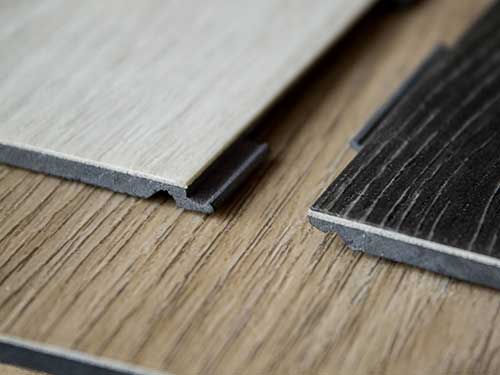
LVT and LVP floors can perform brilliantly — but when something goes wrong, it’s usually predictable. The key is knowing which problems are caused by the product choice, which come from installation, and which are down to site conditions (subfloor flatness, moisture, temperature changes).
1) Clicking, creaking, or a “hollow” sound
This is most common with click (floating) floors. It usually means there’s movement somewhere — often a dip in the subfloor, an unsuitable underlay, or a floor that wasn’t left with correct expansion allowance.
- Prevent it: Make sure the subfloor is flat within tolerance, use the correct underlay (if required), and don’t assume rigid core eliminates the need for levelling.
2) Joints opening up or planks separating
When planks start to gap, the locking system is being stressed. Causes include uneven subfloors, heavy point loads, poor acclimatisation, or choosing a click product with a weaker joint profile for a high-traffic space.
- Prevent it: Choose a quality click system for busy areas, keep the floor within recommended temperature ranges, and prioritise subfloor prep before installation.
3) Visible “lines” and bumps showing through (telegraphing)
With LVT, especially thinner products, any ridges underneath can become visible over time. Old adhesive lines, screed ridges, board joints, and patch repairs can all show as faint shadows or texture changes.
- Prevent it: Aim for a smooth, well-finished surface using the correct levelling/skim system, and don’t assume underlay will hide imperfections.
4) Peaking, lifting, or edge curl
With click floors, peaking can happen when expansion allowance is wrong or the room temperature fluctuates. With glue-down floors, lifting can come from moisture issues, dusty substrates, incorrect priming, or the wrong adhesive choice.
- Prevent it: Leave correct expansion gaps, control heat/sun exposure where possible, and for glue-down installations use the correct primer/DPM/adhesive system for the substrate.
5) Indentations from furniture and heavy loads
All resilient floors can indent under heavy furniture, but some cores and thinner builds are more vulnerable. Dining chair legs, sofas, kitchen islands, and heavy cabinets can create pressure points.
- Prevent it: Use proper floor protectors, spread loads where possible, and choose a specification designed for heavier domestic traffic (don’t buy “cheap thin click” for a busy open-plan space).
6) Surface scratching and “it looks worn too quickly”
This is usually a mismatch between the wear layer and the household reality (kids, pets, grit from outdoors). Some floors look fine in a showroom but don’t suit high-abrasion day-to-day use.
- Prevent it: Prioritise a stronger wear layer for hallways and family areas, use mats at entrances, and clean grit regularly to reduce micro-scratching.
UK Cost Breakdown: What LVT/LVP Really Costs (Supply, Fitting & “Hidden Extras”)
LVT/LVP pricing can look straightforward until you add the parts people forget — subfloor prep, moisture protection on concrete, trims, and removal of old flooring. If you want a realistic budget, you need to price the floor as a full system, not just the plank.
| Cost Item |
Typical UK Range |
What It Includes / Notes |
| LVT/LVP supply (material only) |
Budget to premium depending on spec |
Price varies mainly by wear layer, thickness, core type (SPC/WPC), and brand. Very cheap products often compromise on joint quality or wear layer. |
| Fitting labour |
Varies by room, cuts & prep |
Click is often faster; glue-down can take longer due to prep and adhesive work. Patterned layouts and lots of doorways increase time. |
| Subfloor levelling / smoothing |
Often the “make or break” cost |
Levelling compound or smoothing work is frequently required for LVT. Skipping it is a common cause of noise, joint failure, and telegraphing. |
| Moisture protection on concrete |
Depends on substrate condition |
DPM / primer systems may be needed even if concrete looks dry. This is especially important for glue-down installs and ground-floor slabs. |
| Uplift & disposal of old flooring |
Depends on what’s coming up |
Carpet/gripper removal is usually simpler than old tiles, multiple layers, or stubborn adhesive residues. |
| Trims, thresholds & finishing details |
Project dependent |
Door bars, trims, and edge finishing are often overlooked in “per m²” budgets but affect the final look a lot. |
Budget tip: If you’re comparing quotes, ask each fitter to confirm what’s included for levelling, moisture protection, and finishing trims. Many “cheap” prices look good only because the prep work isn’t included — and that’s where the problems start later.
When LVT/LVP Is a Great Choice (and Where It Performs Best)
This guide has focused a lot on what can go wrong — mainly because that’s what catches people out. But the reality is: LVT flooring can be an excellent investment when the specification matches the room and the installation is done properly.
Where LVT/LVP works really well in UK homes
- Kitchens: A strong option if you want an easy-clean surface and you choose a spec designed for higher traffic. Spills are rarely the issue — it’s usually poor prep or weak joints that cause problems.
- Hallways and entrances: Great if you select a robust wear layer and protect the floor from grit (mats help more than people realise).
- Living rooms: Ideal when you want a consistent look with low maintenance, especially in busy family homes where real wood may be harder to keep looking perfect.
- Bedrooms: Works well when comfort and warmth are considered (core choice, underlay, and acoustic feel matter here).
- Flats and upstairs rooms: Can be a smart choice, but sound reduction depends on correct underlay and subfloor stability — especially on timber floors.
Why many homeowners choose LVT/LVP
- Low-maintenance finish: No sanding, staining, or refinishing — just routine cleaning.
- Design flexibility: Wood-look planks, tile-look options, and modern patterns can suit almost any style.
- Consistent appearance: Unlike natural timber, there’s no variation from board to board unless you choose it intentionally.
- Good practicality: Handles everyday life well when the wear layer and installation method are right.
A practical “good fit” checklist
LVT/LVP is usually a great choice if:
- You want a floor that looks smart but doesn’t need specialist upkeep.
- You’re prepared to invest in proper subfloor prep (especially on concrete or older timber).
- You choose the product based on wear layer, core type, and joint quality — not only price.
- Your room conditions (moisture, temperature changes, sunlight) are considered during installation.
Better Alternatives (When LVT/LVP Isn’t the Right Fit)
LVT/LVP isn’t a “best for everyone” floor. Sometimes another option will give you a better result for the same budget — especially if your priority is natural feel, long-term refinishing, or the most stable solution for a difficult subfloor.
Engineered wood flooring (best for real-wood look and feel)
If you want a genuine wood floor underfoot, engineered wood is often the strongest alternative. It gives you the natural character of timber and, depending on the wear layer, it can be refinished in the future. It’s a popular choice for living rooms, bedrooms, and open-plan areas where people want warmth and a premium feel.
- Choose engineered wood if: You want real timber, a warmer feel, and the option of future sanding (spec dependent).
- Think twice if: You need a floor that shrugs off wet shoes, spills, and heavy daily wear with minimal care.
Laminate flooring (best for value and scratch resistance)
Modern laminate has improved a lot and can be a very strong choice when value matters. It can be highly resistant to everyday surface wear, and many ranges offer realistic designs. The key is choosing a quality board and making sure the subfloor is properly prepared — because floating floors still need flatness.
- Choose laminate if: You want good value, strong wear resistance, and a wide design range.
- Think twice if: You need the best option for wet zones or you’re fitting in areas with frequent standing water.
Porcelain/ceramic tiles (best for wet zones and long-term durability)
Tiles can outperform LVT in bathrooms, utility rooms, and areas where water exposure is frequent. They’re not always as comfortable or quiet, but in the right space they’re hard-wearing and stable long term.
- Choose tiles if: Water exposure is high and you want maximum durability.
- Think twice if: You want warmth underfoot without underfloor heating, or you’re sensitive to noise/echo.
So how do you decide quickly?
- If your priority is real timber character, go engineered wood.
- If your priority is value and surface durability, consider quality laminate.
- If your priority is wet-area performance, tiles may be the safer bet.
- If your priority is low maintenance + modern looks, LVT/LVP can be ideal — as long as prep and spec are right.
FAQs: Buying LVT/LVP Flooring in the UK
Is LVT the same as LVP?
LVT (Luxury Vinyl Tile) is the wider category and can include tiles, planks, and patterned formats. LVP (Luxury Vinyl Plank) is simply the plank-shaped version. In the UK, the more important detail is the specification (wear layer, thickness, core type, and installation method), not the label.
What wear layer should I choose for a busy home?
If you have a busy household, pets, or high footfall areas like hallways and open-plan spaces, choose a floor with a wear layer designed for heavier domestic use. A stronger wear layer generally means better long-term resistance to daily abrasion (especially grit from outdoors).
Is thicker LVT/LVP always better?
Not always. Thickness can improve comfort and help a floor feel more substantial, but performance still depends on core quality, joint strength (for click systems), and subfloor preparation. A thicker board over a poor subfloor can still fail.
Which is better: SPC or WPC?
SPC rigid core is usually chosen for stability and a firmer feel, which suits busy areas. WPC is often chosen for comfort and sound absorption in living rooms and bedrooms. The best choice depends on your room, your subfloor, and your priorities (comfort vs firmness vs dent resistance).
Is click LVT/LVP a good idea for DIY?
It can be, but only if the subfloor is genuinely flat within tolerance and you follow the manufacturer’s installation rules closely. The most common DIY issues are uneven subfloors, incorrect underlay, and joint stress that leads to movement, noise, or gaps.
Is glue-down LVT better than click?
Glue-down can feel extremely solid and premium when installed over a well-prepared surface. However, it’s less forgiving if the substrate is dusty, weak, uneven, or affected by moisture. The “better” option depends on whether you can achieve the right subfloor conditions.
Do I need to level the subfloor before fitting LVT/LVP?
In many cases, yes. LVT is a finish floor and will reflect what’s underneath. Dips, ridges, old adhesive marks, or uneven timber floors are some of the main causes of clicking, gapping, and visible imperfections. Proper levelling/smoothing is often what protects your investment.
Can LVT/LVP be fitted over existing tiles?
Sometimes, but it depends on the tile condition, grout lines, and overall flatness. Grout lines and high/low spots can show through over time. In many cases, preparation work (smoothing/levelling) is needed to create the right surface.
Can I fit LVT/LVP on concrete without a moisture barrier?
Not always. Concrete can hold moisture even when it looks dry, especially on ground floors. If moisture control is needed and you skip it, you risk long-term issues such as movement, joint stress, or adhesive problems. The correct approach depends on the substrate and product requirements.
Is LVT/LVP suitable for kitchens and bathrooms?
LVT works very well in kitchens when the product specification and installation system match the conditions. Bathrooms can also be suitable with the right product and correct installation details, but they require more care around edges, moisture exposure, and sealing/finishing details.
Will underfloor heating work with LVT/LVP?
Often yes, but only when the product is rated for underfloor heating and the heating system is commissioned correctly. Temperature changes need to be controlled and the installation method must follow manufacturer guidance to avoid movement or joint stress.
How do I stop an LVT/LVP floor from sounding hollow?
Hollow sound is often caused by a combination of subfloor unevenness, movement, and the wrong underlay (or poor acoustic strategy). A properly prepared subfloor and the correct system choice (including underlay where appropriate) usually makes the biggest difference.
What’s the biggest mistake people make when buying LVT/LVP?
Choosing based on looks and price alone. Most problems come from a mismatch between the floor specification and real conditions — especially wear layer strength, core type, installation method, and subfloor prep.