Back to Wood Floor Fitting
Ultimate Guide to Wood Floor Glue Installation - Part Two
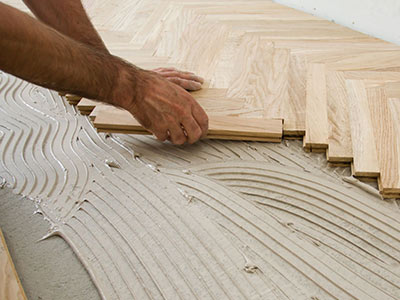 Welcome back to our series on gluing down wood flooring installations! In the first part of this article, we discussed the different types of wood floor adhesives and evaluated whether gluing down your wooden floor is the best installation option for your project. If you haven’t read it yet, be sure to check out the first part of this handy guide. In this second part, we’ll delve deeper into the topic, providing you with insights to ensure the best-fitting option for your new hardwood floor. Our goal is to help you achieve a floor that lasts for decades while maintaining its perfect condition—offering you stability, durability, and exceptional hard-wearing power.
Beware of Old Types of Hardwood Floor Adhesives
While we’ve highlighted the benefits of modern hardwood floor adhesives that are solvent-free and eco-friendly, the same cannot be said for older adhesive types. Many adhesives used in the past contain harmful and toxic components. For instance, before the 1970s, a commonly used adhesive known as black parquet adhesive contained dangerous substances like coal tar, which may include carcinogenic compounds such as polycyclic aromatic hydrocarbons (PAHs) and polychlorinated biphenyls (PCBs).
Risks Associated with Old Adhesives
The use of such adhesives poses significant health risks, particularly when the adhesive interacts chemically with other materials. For example, a defective sealant applied over the floor can compromise the protective finish. This can lead to:
- Weakened Surface Protection: Areas with compromised protection may allow harmful substances from the adhesive to escape.
- Air Quality Issues: Chemicals like benzopyrene can transfer to the air through cracks, gaps, and scratches, binding to dust particles and potentially harming indoor air quality.
What to Do if You Suspect Old Adhesives
If you discover that black hardwood floor adhesive was used in your existing flooring, there’s no need for immediate panic or removal. Instead, consider the following steps:
- Regular Inspections: Schedule routine assessments with a professional to conduct dust tests and monitor for the release of harmful substances.
- Replacing the Floor: If you prefer to be cautious or if the floor is in poor condition, replacing it is a valid option. However, remember to:
- Lift and Remove the Old Floor: This includes treating the subfloor to eliminate all adhesive residue.
- Avoid Abrasive Methods: Chiseling the screed is recommended, as abrasive techniques can generate toxic dust.
Additional Risks
In addition to PAHs and PCBs, asbestos is another hazardous component that may be present in older adhesives. The risk of asbestos exposure typically arises during demolition or grinding activities. Therefore, if you suspect that asbestos-containing adhesives were used, it is crucial to:
- Hire Professionals: Engage a qualified and specialised company that has experience handling projects involving hazardous materials. Trained experts can manage the renovation safely, minimising potential risks.
What Matters Most When Gluing Parquet
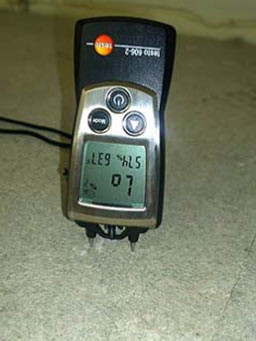
To ensure a smooth installation process with minimal risk of issues and to achieve a durable and beautiful wooden floor, it’s crucial to adhere to the following guidelines:
-
Subfloor Preparation: The hardwood floorboards must be glued down to a dry, clean, and level subfloor.
-
Optimal Room Conditions: Ensure the installation area maintains the ideal environment:
- Room Temperature: At least 16°C
- Humidity Levels: Between 40% to 60%
Initial Installation Steps
Before laying the hardwood floorboards, follow these steps:
- Lay the First Three Rows: Install the first three rows of floorboards without adhesive. This allows for cutting individual elements to size and making any necessary changes to the installation direction.
Familiarise Yourself with the Adhesive
If you plan to install the hardwood floor yourself:
- Read the Manufacturer’s Instructions: Even if you’ve used wood floor adhesives before, it’s essential to review the specific instructions for the adhesive you’ve purchased. This ensures proper application and the best results.
- Conduct a Test Application: Use a small amount of the adhesive first to familiarise yourself with its properties and performance.
Note: Modern wood floor adhesives are designed for ease of use, but it may take some practice to master application techniques. As the project progresses, your speed and efficiency will improve.
Application Techniques
When applying the adhesive:
- Work in Small Sections: Apply adhesive step by step rather than in large patches. Most adhesives offer an optimal adhesive strength window of about 30 minutes, which is the best time to lay the floorboards on the subfloor.
- Avoid Coverage of Entire Floor: Covering the entire floor with adhesive before laying down the boards can prevent you from maximising the adhesive's effectiveness.
By following these steps and best practices, you can achieve a flawless installation of your parquet flooring.