Project Overview
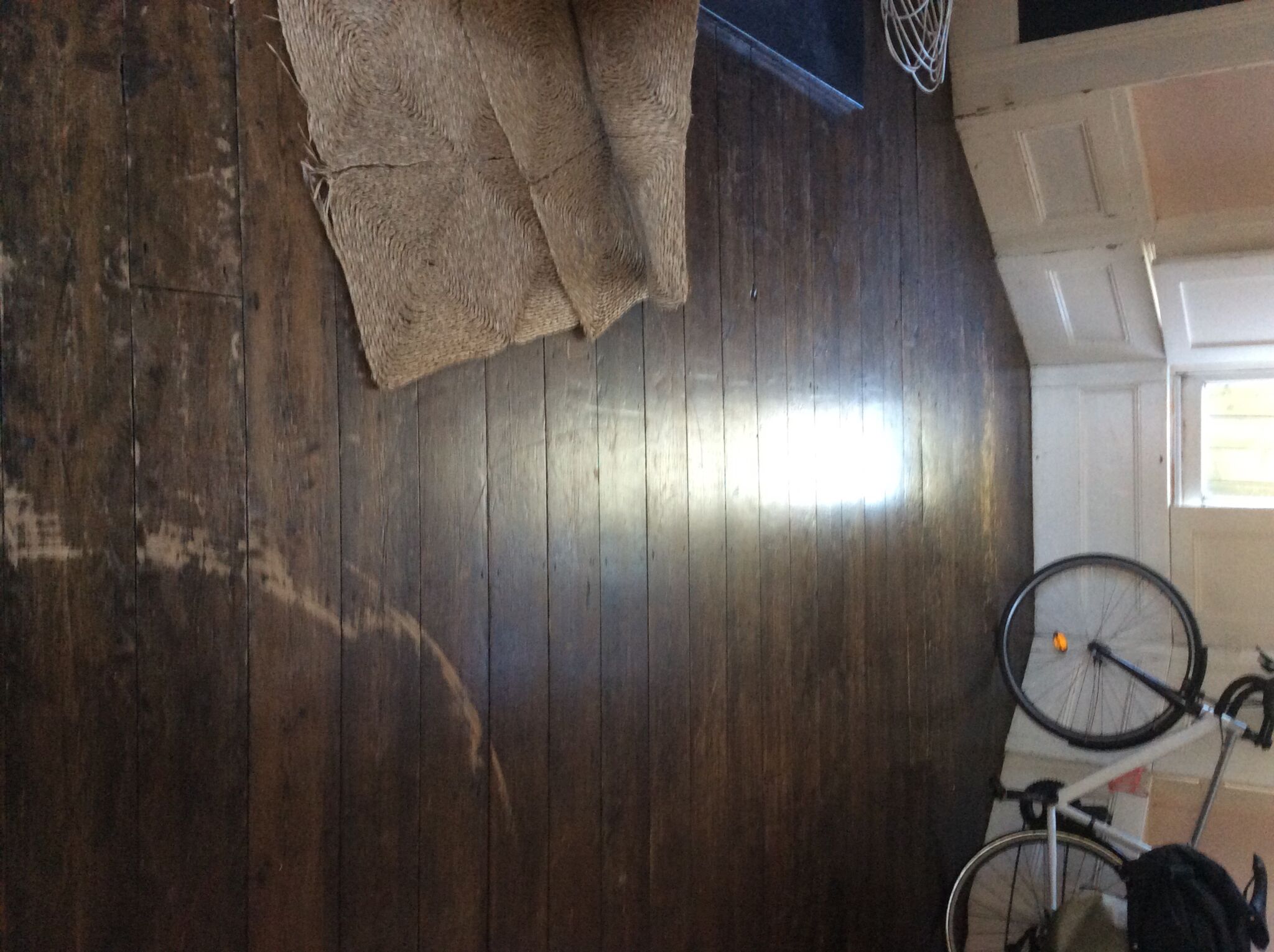
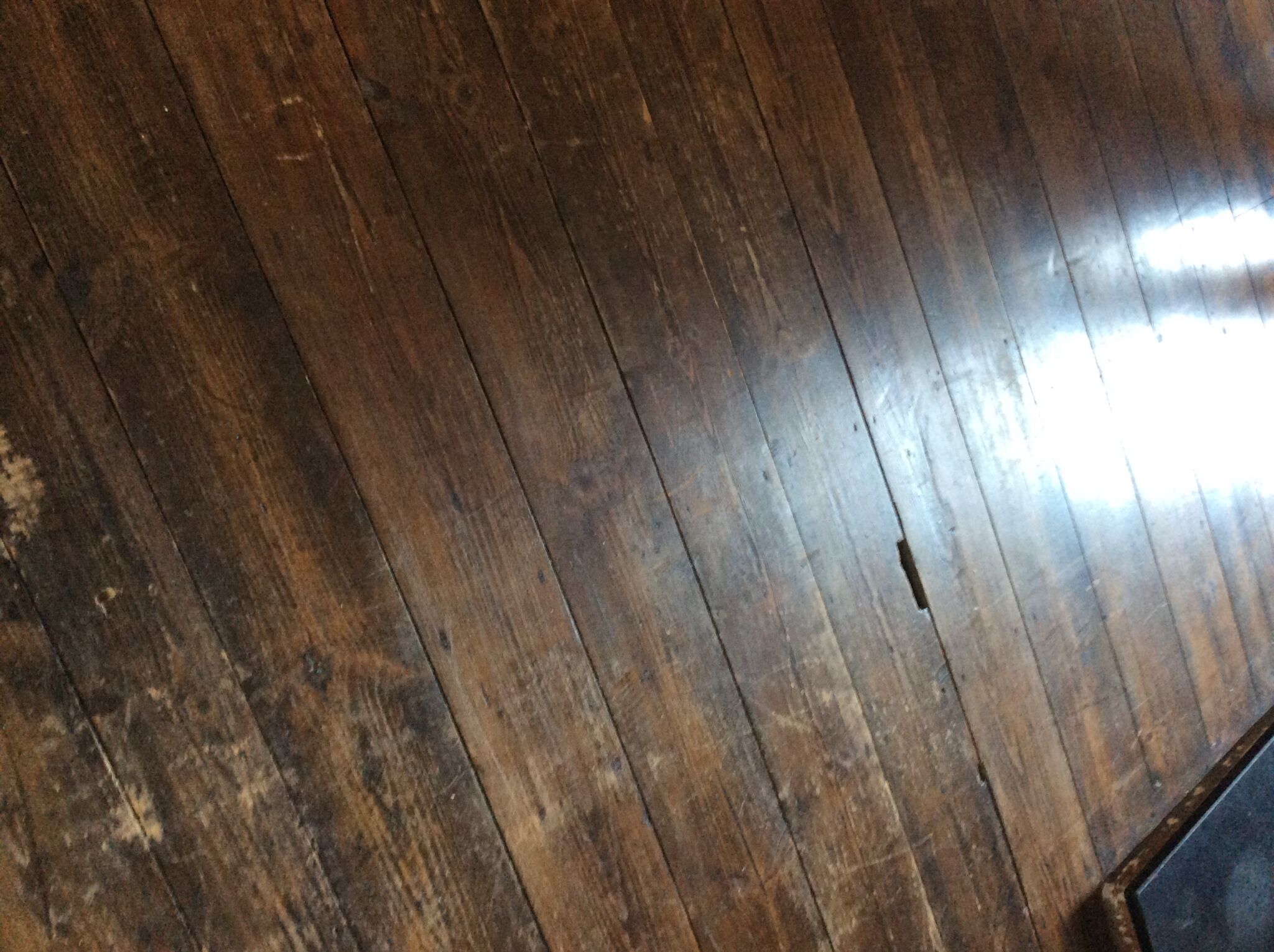
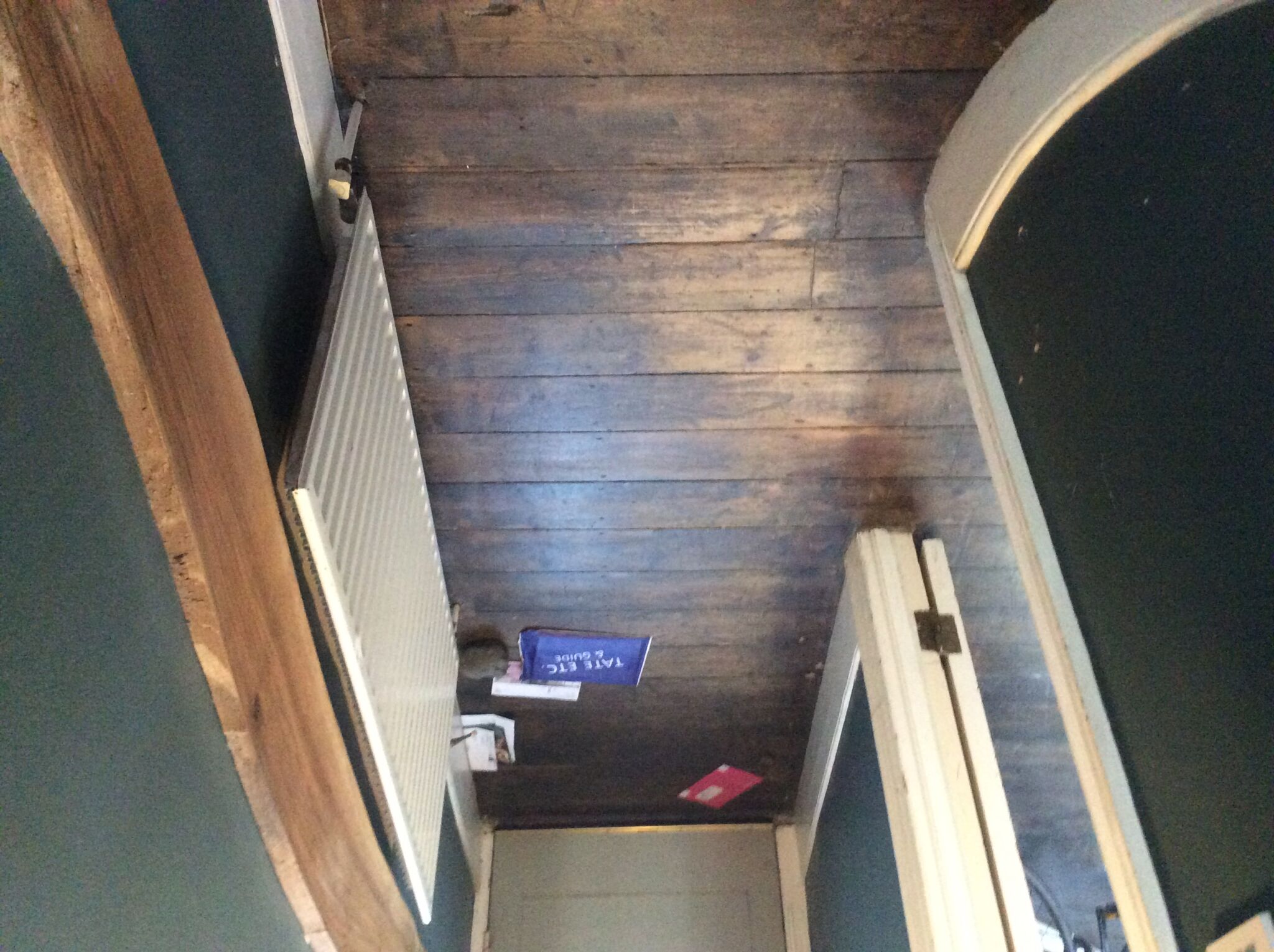
This project at a Victorian terraced property in Clapton, E5 involved a full floor sanding and restoration across multiple rooms and the main staircase. The work included sanding, buffing and lacquering the existing pine floorboards, sealing the stairs, closing wider board gaps with timber slivers, refitting loose boards, replacing a section of damaged floorboards, and removing the fireplace hearth. The job was surveyed and completed by our East London team from start to finish.
The Challenge
Victorian pine floors take a long time to get into poor condition, and they take careful preparation to bring back properly. At 182 Rushmore Road the main challenges were:
- Multiple loose boards creaking underfoot, which needed securing before any sanding could begin — sanding over a moving board splits the finish and causes it to crack within months
- Wider gaps between boards throughout the property, some significant enough to cause draughts from below
- A section of floorboards that were too damaged to sand and needed replacing with matching timber
- A fireplace hearth that had to be removed before the surrounding floor area could be treated evenly
- Stairs that were worn through to bare timber and needed sanding and sealing to match the quality of the floors below
None of these are unusual in an E5 Victorian terrace, but getting the sequence right matters. The prep work has to come first, or the finish will not hold.
Our Approach
The work was carried out in a logical sequence to protect each completed stage:
- Loose board refitting: All creaking and loose boards were identified, lifted where necessary and re-secured to the joists before any sanding equipment came onto the floor.
- Floorboard replacement: A section of boards that were beyond sanding were replaced with matching timber, fitted flush and left to settle.
- Gap closing with slivers: Wider gaps across the floors were packed with fitted timber slivers, which were planed level once dry. This removes draughts and gives the floor a much cleaner finish under lacquer.
- Fireplace hearth removal: The hearth was taken out cleanly, with surrounding boards trimmed and fitted to close the area before sanding.
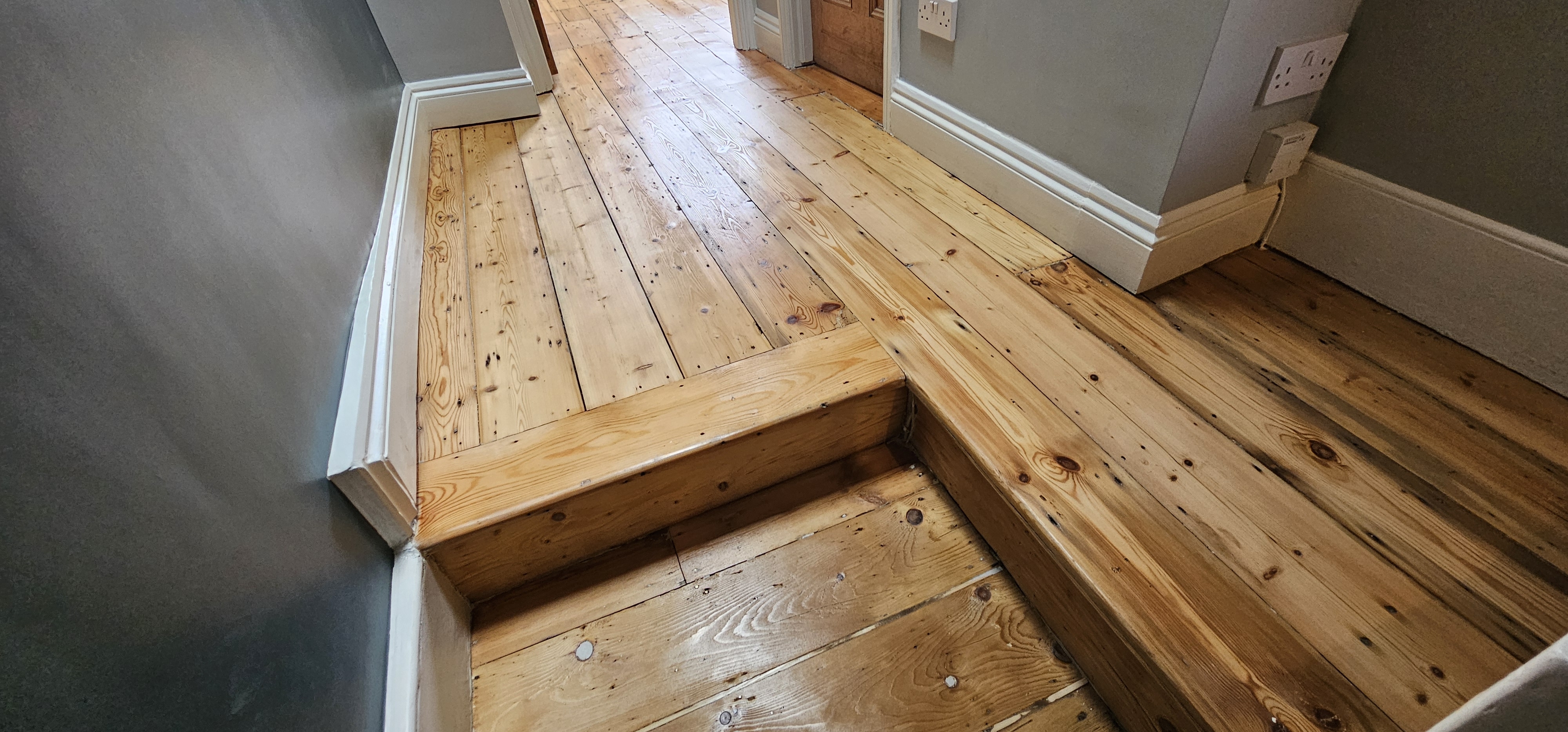
- Floor sanding and buffing: The floors were sanded in passes from coarse through to fine grade, removing the old finish, surface damage and any inconsistency left from the prep stages. The boards were then buffed to a smooth, even surface ready for finishing.
- Lacquering: Multiple coats of lacquer were applied with sanding between coats to achieve a hard, consistent finish that will stand up to daily use.
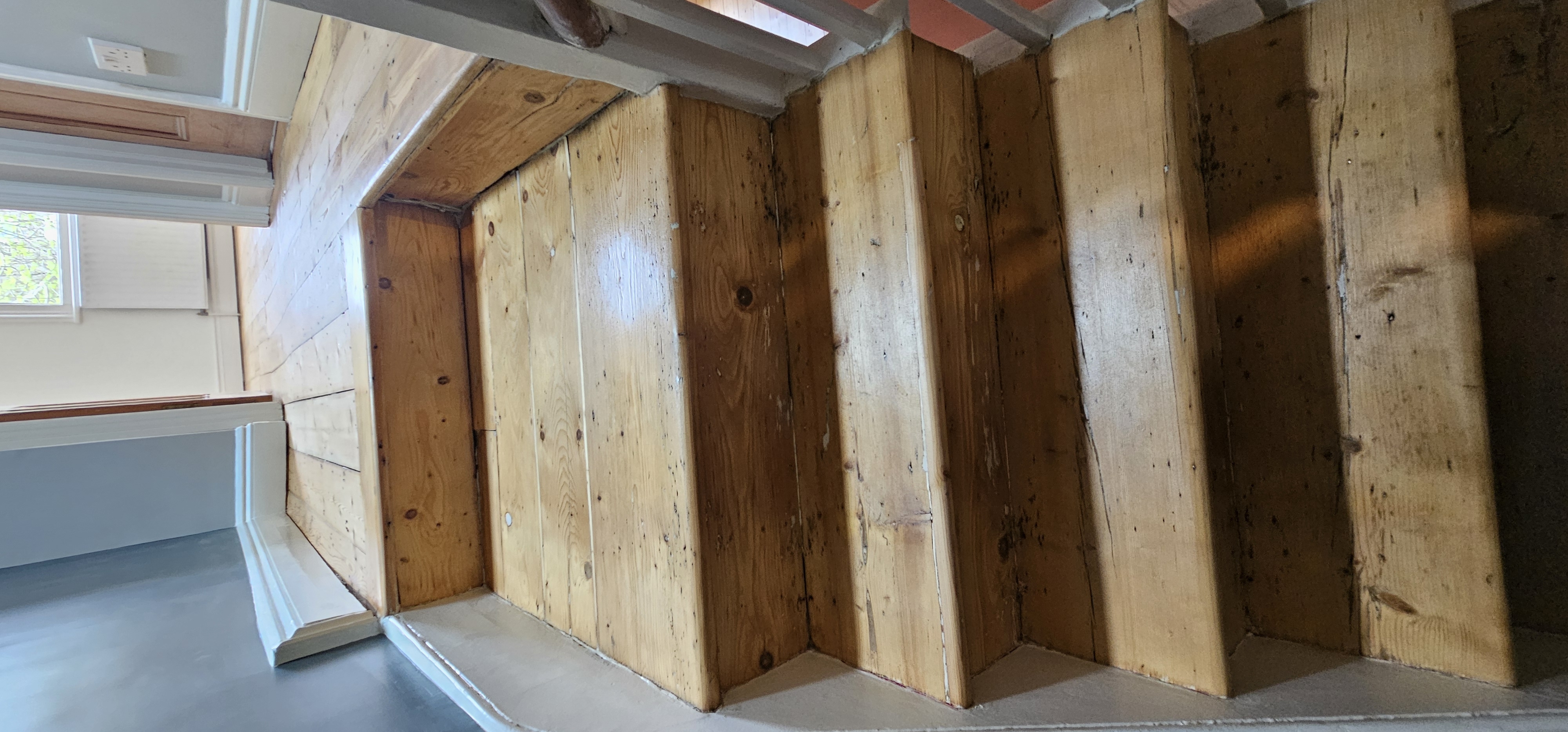
- Stair sanding and sealing: The staircase treads and risers were sanded back and sealed to a finish that complements the lacquered floors below.
The Result
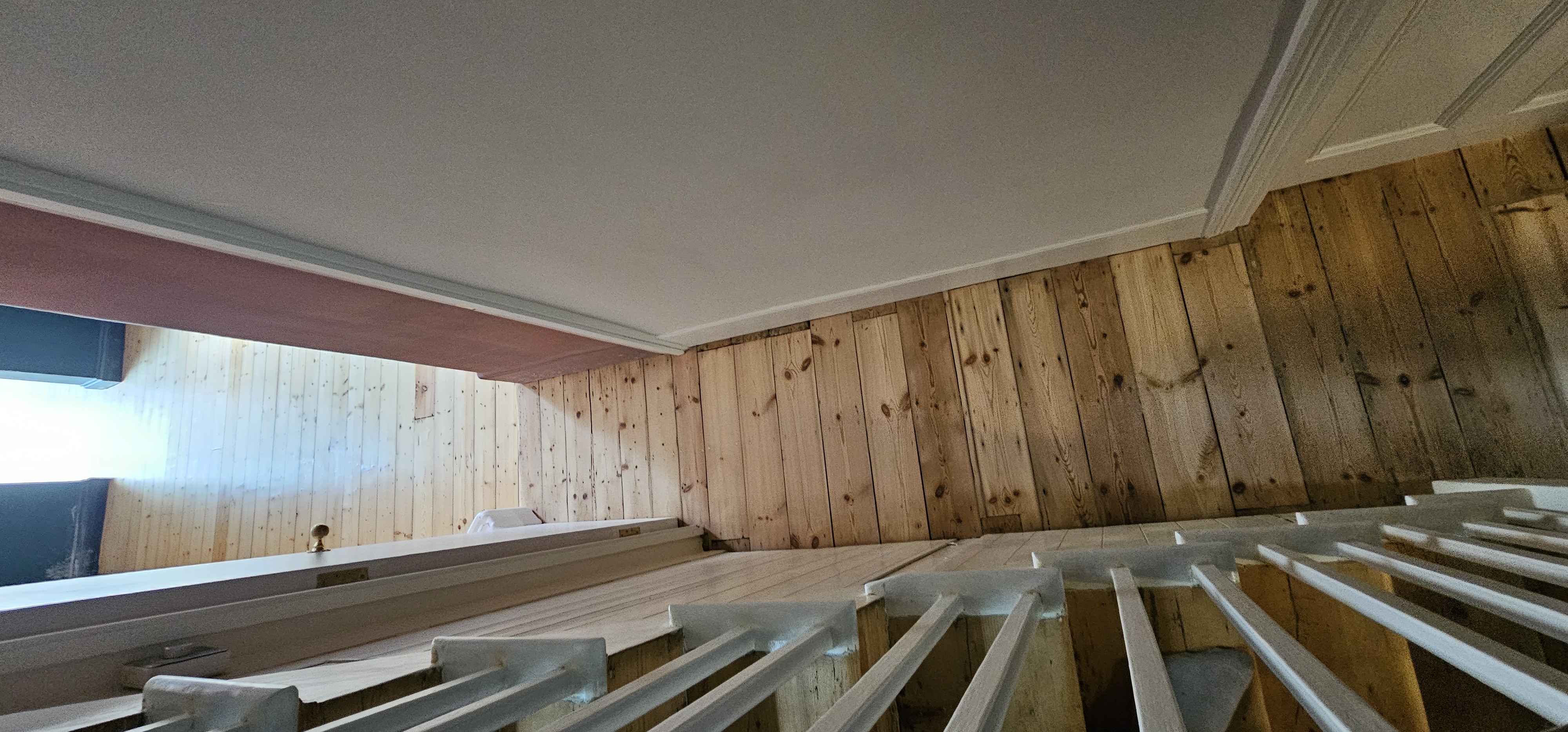
The floors throughout the property are now solid, smooth and properly finished. The loose boards no longer move, the gaps are closed, and the lacquer gives the timber a clean, consistent look that works with the age of the building. The staircase holds its own alongside the restored floors below. This is the kind of job where the before and after photos do the talking — the boards were always good, they just needed the right treatment to show it.
Frequently Asked Questions
How long does floor sanding take for a whole house?
For a property of this size in Clapton, E5, a full sand, buff and lacquer typically takes three to five days depending on the number of rooms, the condition of the boards and how many prep stages are required. Stairs add half a day to a day on top. We always carry out a survey first so we can give an accurate programme before work starts.
How much does floor sanding cost in Clapton, E5?
Floor sanding in Clapton, E5 generally runs at £25 to £45 per square metre for sand, buff and lacquer. A typical whole-house job tends to fall between £2,000 and £6,000. The final figure depends on floor area, board condition, the finish specified and any prep work needed — loose boards, gap filling, replacements and hearth removal all add to the scope. We provide itemised quotes so there are no surprises.
Can you sand floors without moving all the furniture?
Large items need to come out of each room before we start. We work room by room where possible to limit disruption, but the sanding equipment needs clear access to the full floor area to produce an even finish. We will always discuss the programme with you at the survey stage so you can plan ahead.