Project Overview
This project involved the professional sanding and restoration of an existing wood floor at a property in Cricklewood, NW2. The floor had seen years of daily wear and needed attention to restore its quality finish. Our team carried out a full assessment before starting work, checking for any boards that needed attention alongside the main sanding and finishing work.
Before the Work
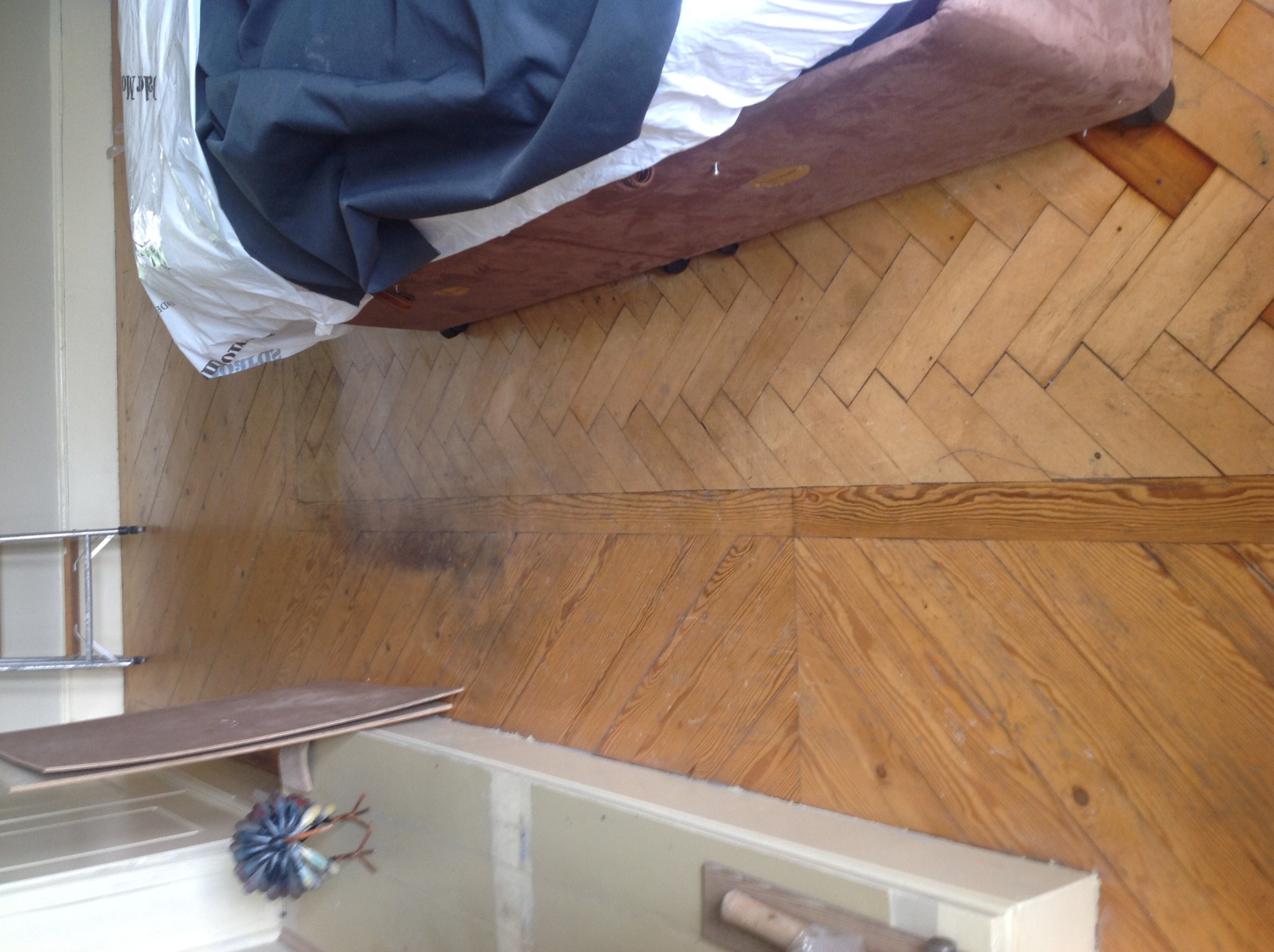
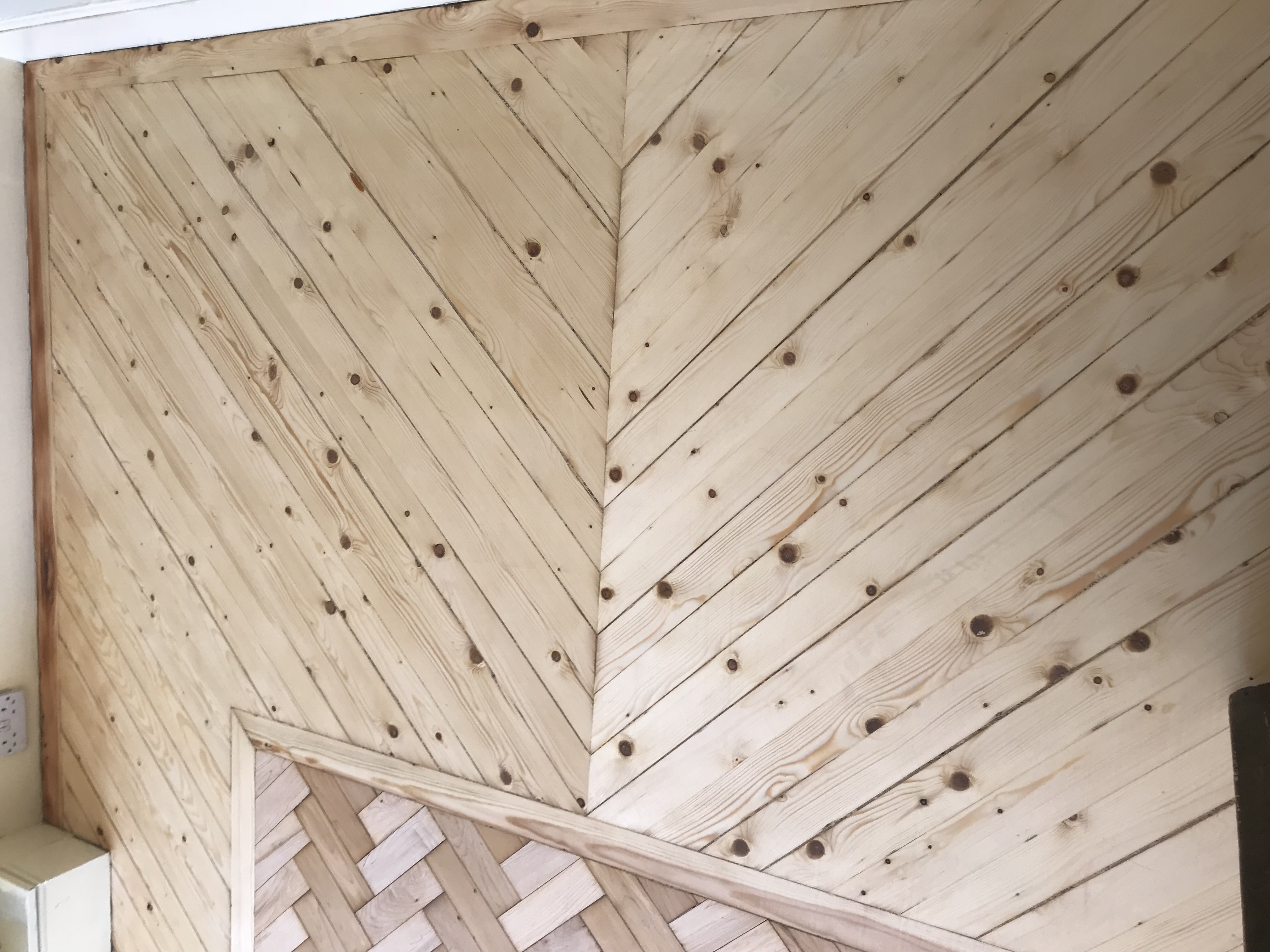
Before work began, the floor showed typical signs of wear. Surface scratches, dull patches, and general finish deterioration were present. A thorough survey was carried out to plan the correct sanding depth, assess board condition, and choose the most appropriate finish for the space.
Survey photos showing the floor condition before work:
Our Approach
The following services were carried out as part of this project:
- Furniture Moving
- Gap Filling
- Hardwood - Sand, Buff & Lacquer
The Result
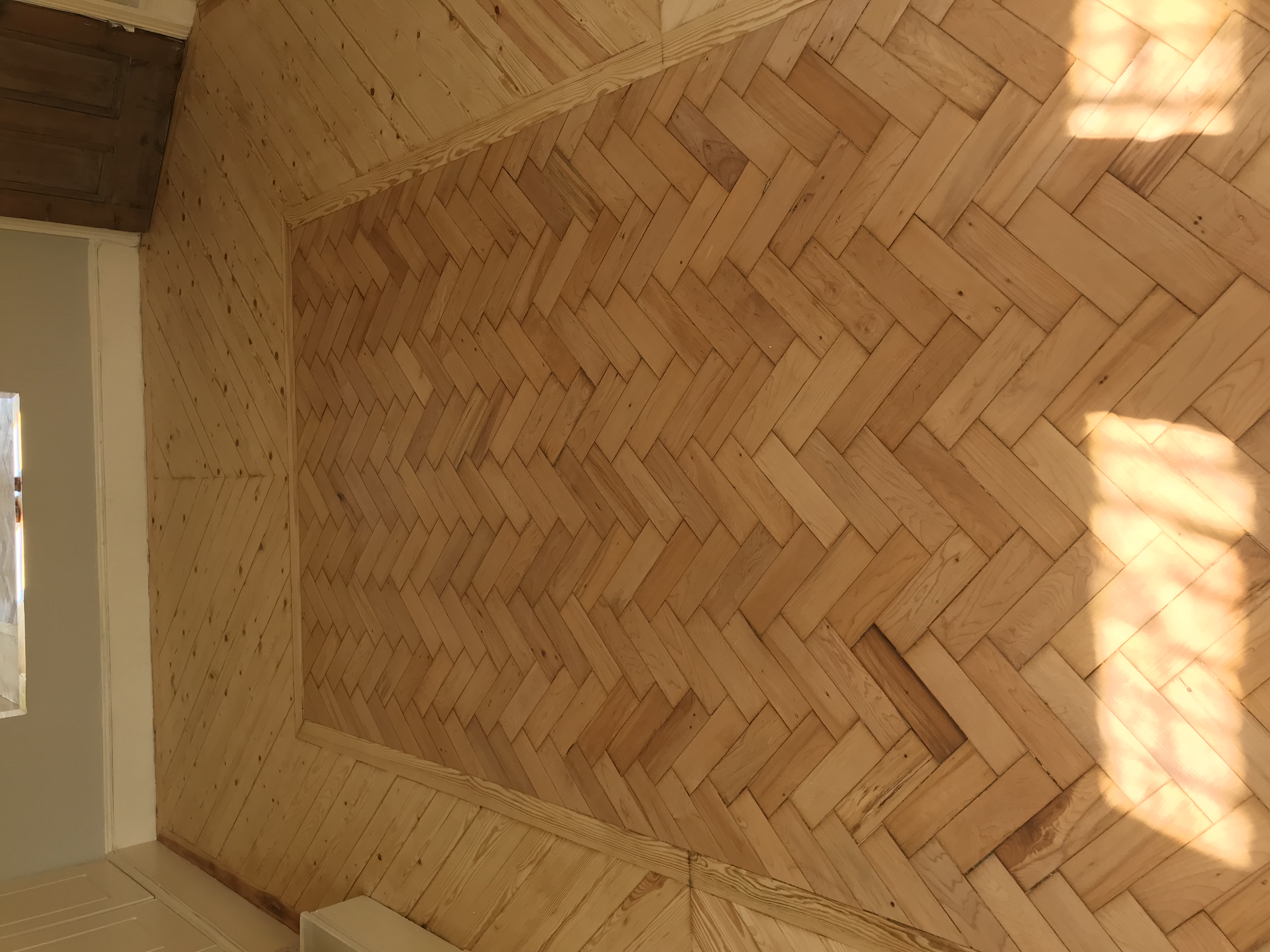
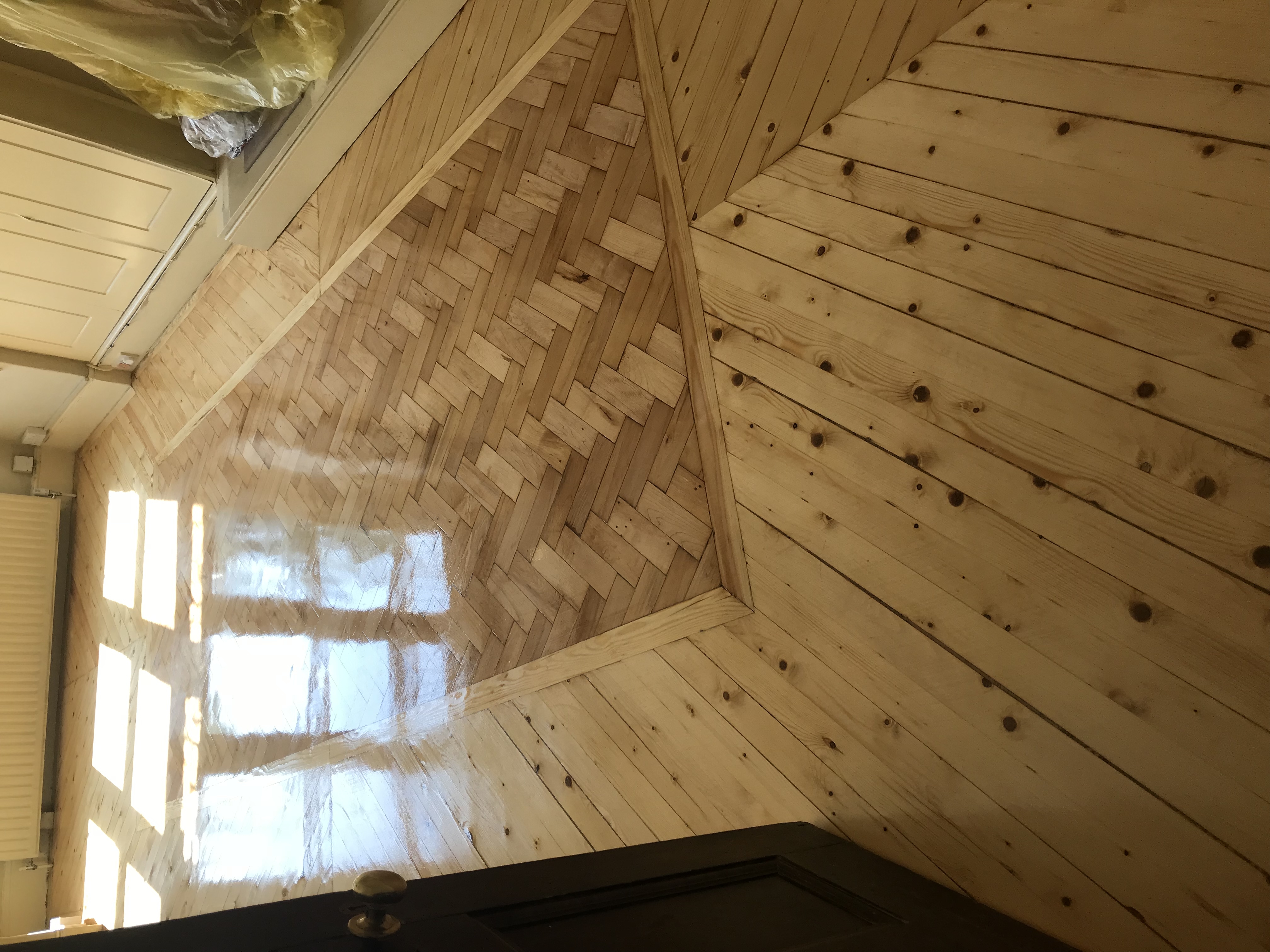
Once the sanding and finishing process was complete, the floor was transformed. The wood grain was opened up and brought back to life, the surface was smooth and even, and the new finish provided lasting protection. The client was left with a floor that looked, and performed, as good as new.
Photos of the completed work:
Frequently Asked Questions
What types of original flooring are commonly found in Cricklewood properties? Cricklewood developed mainly between the 1900s and 1930s, and the housing stock across NW2 reflects this — a mix of Edwardian terraces in the streets closest to Cricklewood Broadway and interwar semis further out toward Brent Cross and Gladstone Park. Edwardian terraces typically have original pine floorboards throughout, often in good structural condition beneath carpets that have been down for decades. The interwar semis frequently have solid parquet block floors in the ground floor reception rooms — beech and oak are the most common species — laid as part of the original build and usually restorable to an excellent standard. Both are well worth assessing before any decision is made about replacement.
Are the interwar parquet floors in NW2 semis worth restoring? In our experience working across Cricklewood and the wider NW2 area, yes — almost without exception. The parquet blocks in these properties were laid to last and the timber is typically thick enough to sand several times over. The most common issues are surface wear, a build-up of old wax or finish, and occasional loose blocks where the original adhesive has failed over time. All of these are straightforward to address as part of a professional restoration. The result is invariably better than replacing with a modern product, and it preserves the original character of the property.
Do I need to vacate my Cricklewood property during floor sanding? Most clients remain in their home throughout. NW2 properties are predominantly terraced and semi-detached houses where the working areas can be separated from the rest of the home without difficulty, making it practical to stay in place during the work. Dustless sanding equipment keeps mess well contained, and water-based lacquers dry quickly with low odour. We recommend keeping pets and young children away from the working areas during sanding and for a short period after the final coat while it fully cures.
Do you cover Cricklewood and the surrounding NW2 area? Yes. We work regularly across NW2 and the nearby postcodes including Willesden, Brent Cross, Hendon and Kilburn. Call us on 020 88309782 or book a free site visit to discuss your floor.