
Engineered Wood Flooring Buying Guide – What to Look For
 Engineered wood flooring has become a popular choice for modern homes, offering the beauty of real wood with enhanced durability and stability. But with so many options on the market, how do you choose the right one? In this buying guide, we’ll walk you through the most important factors to consider — from construction and finishes to compatibility with underfloor heating — so you can invest in a floor that suits both your lifestyle and your space.
What Is Engineered Wood Flooring?
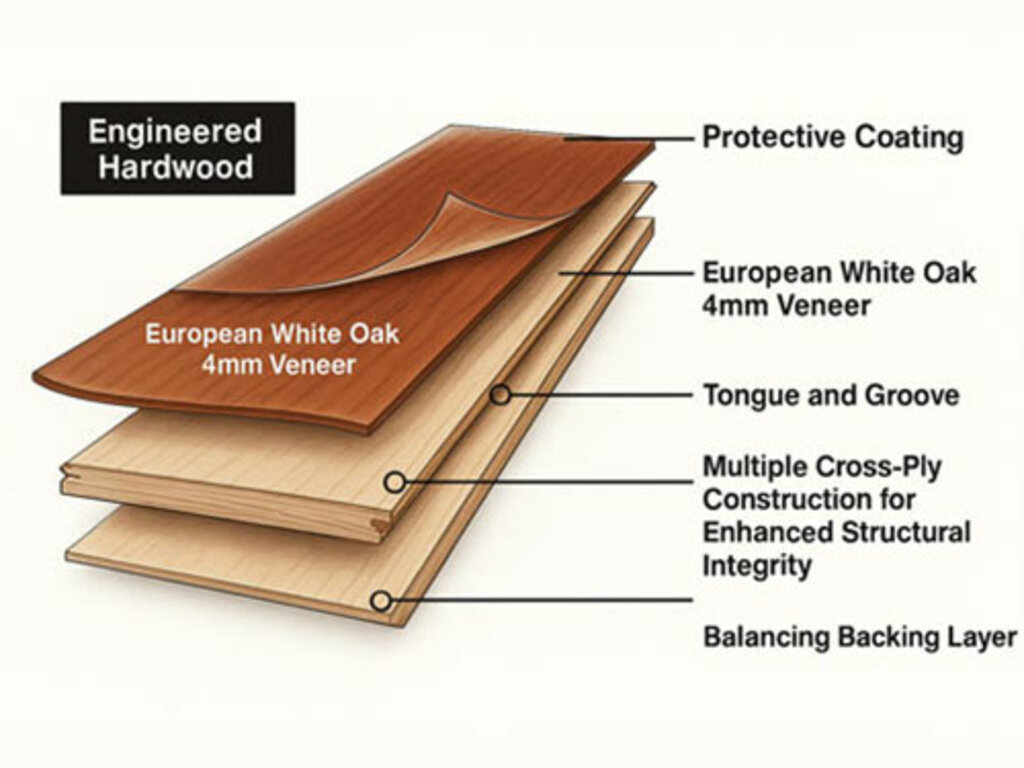
Engineered wood flooring is a modern and versatile alternative to traditional solid hardwood. It consists of a real hardwood top layer — known as the wear layer — which is bonded to several layers of plywood or high-density fibreboard (HDF). This multi-layer construction provides increased dimensional stability, making engineered boards less prone to warping, expanding, or shrinking when exposed to changes in temperature and humidity. As a result, engineered wood flooring is suitable for areas where solid wood might not perform as well, such as basements, kitchens, and rooms with underfloor heating.
Despite its layered structure, engineered wood flooring offers the same natural beauty and warmth of solid wood, since the surface is genuine timber. It is available in a wide variety of species, colours, finishes, and board sizes, giving homeowners plenty of design flexibility. Whether you're after the timeless appeal of oak or the rich tone of walnut, there's an engineered option that fits the look you want to achieve, without compromising on performance. It's a smart solution for those who want the elegance of wood with greater durability and easier installation.
Choosing the Right Wear Layer and Wood Species
When buying engineered wood flooring, two of the most critical aspects to consider are the wear layer thickness and the type of wood species used. These factors directly influence the floor's durability, appearance, and long-term performance.
The wear layer refers to the top layer of real hardwood that sits above the core layers. This is the part you see and walk on — and the part that can be sanded if the floor ever needs refreshing. Wear layers typically range from 2mm to 6mm. A thicker wear layer (around 4mm or more) offers greater longevity and allows for one or more professional sandings over the floor's lifetime. If you're installing engineered flooring in a high-traffic area like a hallway or living room, or if you want a floor that will last for decades, opting for a thicker wear layer is a smart choice.
Equally important is the wood species. Oak is by far the most popular option due to its strength, attractive grain, and natural resistance to wear. Walnut provides a richer, darker tone and is prized for its luxurious appearance, though it is softer than oak. Maple and ash offer lighter tones and a clean, modern look, but may show dents more easily. Each species has a different hardness rating and visual character, so it’s important to choose one that aligns with your practical needs and interior design goals.
By paying attention to both the wear layer and the wood species, you’ll be able to find an engineered wood floor that not only looks beautiful but also performs exceptionally well under everyday use.
Plank Dimensions, Surface Finishes and Texture
The size and finish of engineered wood planks have a significant impact on the overall aesthetic of your flooring. While the wood species sets the foundation for the look, the dimensions, finish, and texture bring it to life — influencing everything from the room’s sense of space to how easily the floor can be maintained.
Plank dimensions vary widely in both width and length. Wide planks (typically 180mm and above) create a more open, seamless appearance and are particularly suited to larger or modern spaces. Narrower planks can add traditional charm or work well in smaller rooms where you want more texture or visual interest. Long planks give a room a flowing, uninterrupted look, while shorter planks, such as those used in herringbone or chevron patterns, provide a more decorative and dynamic effect. The choice depends on both the size of the room and your design goals.
Once you’ve chosen the size, consider the surface finish. Popular options include matt lacquer, which offers a clean, low-sheen surface that’s easy to maintain; hardwax oil, which enhances the natural feel of the wood while offering protection; and UV oil finishes that provide durability without altering the wood’s appearance too much. Each finish comes with pros and cons — for example, oiled floors are easier to spot-repair, while lacquered floors may offer better long-term resistance to scratches.
Texture also plays a role in the final look and feel. Brushed and hand-scraped finishes add depth and a rustic touch, while smooth sanded surfaces suit contemporary interiors. Distressed or aged finishes can bring vintage character, ideal for period homes or industrial-style designs. Choosing the right texture ensures your flooring not only looks great but also feels right underfoot and suits the level of daily wear it will endure.
By carefully considering plank dimensions, finishes, and surface textures, you can tailor your engineered flooring to fit your exact vision, whether you're aiming for modern minimalism or traditional warmth.
Installation Method and Underfloor Heating Compatibility
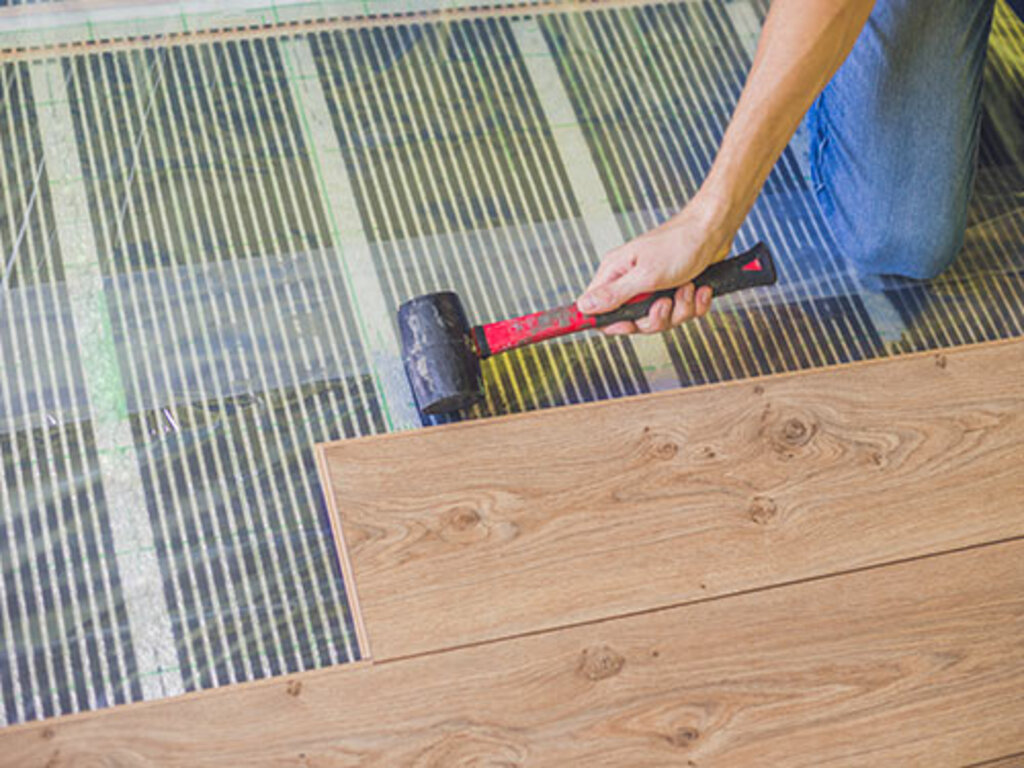 Understanding how your engineered wood flooring will be installed is crucial for both performance and longevity. Engineered wood offers installation flexibility, and choosing the right method depends on your subfloor type, room usage, and even whether you plan to install the floor yourself or hire professionals.
The most common installation methods include floating, glue-down, and nail-down systems. A floating installation means the boards are clicked or locked together over an underlay without being attached to the subfloor — a method that’s ideal for quick installations and works well over existing floors or subfloors that are level and dry. Glue-down is more permanent and stable, often recommended for ground-floor installations or for use over underfloor heating systems. Nail-down is typically used in properties with timber subfloors and provides excellent long-term security, but it's more labour-intensive and usually best handled by professionals.
If you’re planning to use underfloor heating (UFH), engineered wood is generally a compatible and safe option, but there are a few key considerations. Always choose flooring that is specifically rated for UFH use. The total thickness should typically be no more than 18mm, and the wear layer should not be overly thick, as it can act as an insulator and reduce heat transfer. The glue-down method is often the most recommended for UFH as it improves thermal conductivity and ensures the boards remain stable over time.
Whether you’re going for comfort, convenience, or structural security, selecting the right installation method — and ensuring it works with your heating system — will help you get the best performance out of your engineered wood floor.
Warranties, Certifications and Budget Considerations
When investing in engineered wood flooring, it’s important to look beyond the surface. While colour and style often drive purchasing decisions, the quality assurances behind a product — such as warranties and certifications — offer valuable insight into its performance and lifespan. At the same time, understanding what to expect at different price points helps ensure you make the most of your budget.
Start by checking the manufacturer’s warranty. Most reputable brands will offer coverage ranging from 10 to 30 years, depending on the thickness of the wear layer, the finish, and the intended use (residential or commercial). These warranties often cover structural integrity and, in some cases, surface finish performance. A longer warranty typically signals greater confidence in the product's durability.
Certifications are another key consideration, especially if sustainability is important to you. Look for internationally recognised labels like FSC (Forest Stewardship Council) or PEFC (Programme for the Endorsement of Forest Certification), which indicate that the wood has been sourced responsibly. Some products may also carry low-VOC (Volatile Organic Compounds) or E1 emission ratings, assuring you of a healthier indoor air quality — an important factor in modern home design.
When it comes to budget, engineered wood flooring offers a wide range of options to suit different needs. Entry-level products often feature thinner wear layers and may be limited in terms of finish and species, but they still offer the warmth and aesthetic of real wood at a lower cost. Mid-range options strike a balance between affordability and performance, often including more stylish finishes and better warranties. Premium engineered flooring tends to feature thicker wear layers, more complex finishes, and superior construction — ideal for long-term installations and high-traffic areas.
By carefully comparing warranties, checking for reliable certifications, and understanding the price-to-value ratio, you’ll be better equipped to choose flooring that meets your expectations and lasts for years to come.
Matching Accessories and Final Considerations
Once you’ve selected the perfect engineered wood flooring, don’t overlook the finishing details. Accessories such as underlay, skirting boards, thresholds, stair nosings, and door bars play a key role in the floor’s final appearance and functionality. Choosing matching trims and accessories ensures a seamless look that enhances your room’s overall design.
Underlay is essential for floating installations, providing sound insulation, thermal resistance, and moisture protection. For installations over underfloor heating, you’ll need a specialised low-tog underlay to allow efficient heat transfer. Skirting boards and scotia trims help conceal expansion gaps and provide a clean finish along the perimeter of the room. Thresholds and transition strips ensure smooth transitions between rooms or different flooring types, while stair nosings offer a safe and stylish finish for steps.
Taking time to plan for these finishing elements not only completes the visual design but also contributes to the floor’s durability and comfort. Accessories are more than just decorative — they’re functional components that protect your investment and tie the whole space together.
As you reach the final stage of your flooring decision, take a moment to review the practical considerations alongside your design preferences. Look at your lifestyle, foot traffic levels, heating systems, and long-term expectations. Investing in quality engineered wood flooring and the right accessories from the start can save you time, money, and stress down the line.
Need Help Choosing the Right Engineered Wood Flooring?
With so many factors to consider — from wear layers and wood species to finishes, sizes, and installation methods — choosing the ideal engineered wood floor can feel overwhelming. But it doesn’t have to be. By focusing on the needs of your space, your lifestyle, and your design goals, you can confidently select a flooring solution that delivers beauty, performance, and long-term value.
If you’re ready to explore options, browse our full selection of engineered wood flooring for inspiration. Need expert guidance or help with fitting? Learn more about our engineered wood floor installation service or contact our team for personalised advice. You can also book a free site visit to get tailored recommendations and measurements at your convenience.