
Top Questions Answered Before You Buy Solid Wood Flooring
 Solid wood flooring remains one of the most sought-after choices for homeowners looking to bring natural beauty, warmth, and timeless elegance into their spaces. But before investing, it’s normal to have a few questions. In this guide, we’ve gathered and answered the most frequently asked questions about buying solid wood flooring — covering everything from species and finishes to cost, installation, and long-term care. Whether you're renovating a single room or planning an entire home makeover, this guide will help you make an informed and confident choice.
What Is Solid Wood Flooring & Which Species Are Best?
Solid wood flooring is made from a single piece of hardwood throughout its entire thickness, offering unmatched authenticity and longevity. Unlike engineered wood flooring, which is constructed from layers of plywood with a hardwood top layer, solid wood is a single block of timber, milled into planks and typically around 18–20mm thick. This structure allows the floor to be sanded and refinished multiple times over its lifetime — a key reason why many consider it a premium, long-term investment.
The natural composition of solid wood gives it a rich appearance, unique grain variation, and a luxurious underfoot feel that improves with age. However, it's more sensitive to moisture and temperature changes, so careful installation and maintenance are essential for optimal performance, especially in environments like kitchens or near external doors.
When choosing your solid wood floor, the wood species plays a major role in both the appearance and durability of your flooring. Here are some of the most popular options:
- Oak – The most popular choice for its excellent hardness, timeless grain, and natural golden-brown tone. Available in both rustic and prime grades.
- Walnut – A luxurious dark hardwood with dramatic grain patterns. Slightly softer than oak but rich in colour and warmth.
- Maple – Known for its smooth, pale finish and tight grain, maple provides a clean, modern look and high durability.
- Ash – Light in tone with bold, flowing grain patterns. Offers strength similar to oak but with a brighter, airy aesthetic.
- Beech – A fine-grained hardwood with a warm reddish tone. Durable and cost-effective for busy areas.
Each species offers a different personality to your space, so consider not only the colour and style but also the level of durability required for your lifestyle.
Understanding Wood Grades, Finishes & Installation Options
When selecting your solid wood flooring, it’s not just about species — the grade of the wood and the type of finish also influence the final look and feel of your floor. Wood grades classify the visual characteristics of the timber, such as colour variation and the presence of knots.
- Prime Grade – Uniform in colour with minimal knots or imperfections. Ideal for a clean, elegant look.
- Select Grade – Slight variation in tone and small knots. A good balance between natural character and refinement.
- Rustic Grade – Full of natural variation, with larger knots and colour differences. Perfect for country or traditional interiors.
Another important decision is whether to go for prefinished or unfinished boards. Prefinished boards come with a factory-applied finish (such as lacquer or oil), saving time and mess during installation. They offer a consistent, durable surface that’s ready to walk on immediately. Unfinished boards, on the other hand, are installed raw and finished on-site, allowing for complete customisation of colour, sheen, and sealant — especially useful for matching existing floors or achieving a bespoke design.
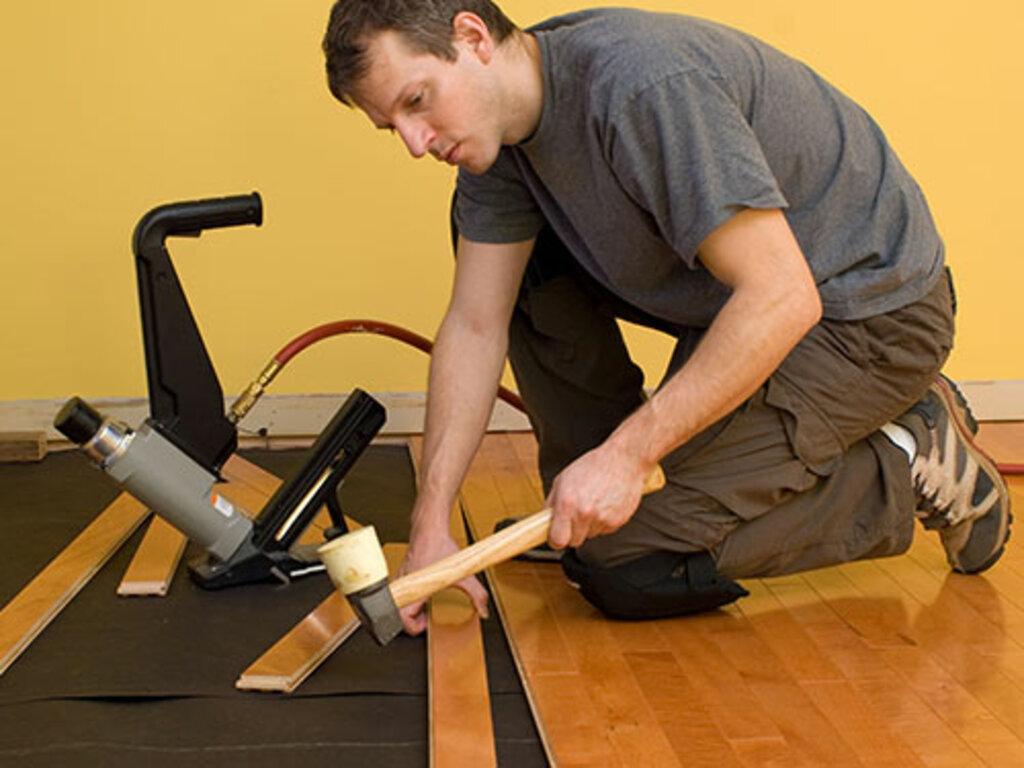
As for installation, solid wood floors are traditionally fixed using either a nail-down or glue-down method. These approaches ensure the boards remain stable and secure, but they require a level, dry subfloor and are typically best handled by professional installers. Floating installation is not recommended for solid wood due to its tendency to expand and contract with moisture and temperature changes.
How Much Does Solid Wood Flooring Cost — and How Do You Maintain It?
The cost of solid wood flooring can vary widely depending on the species, grade, finish, and board size. On average, you can expect to pay between £40 to £90 per square metre, excluding installation. Lower-priced options might include rustic-grade oak or narrower boards, while premium choices like wide-plank walnut or prime-grade ash will sit at the higher end of the spectrum. It’s important to factor in the cost of installation, underlay, skirting boards, and finishing accessories when planning your budget.
One of the key advantages of solid wood flooring is its potential to last a lifetime — but only if properly maintained. Regular cleaning with a soft broom or microfibre mop helps prevent grit and dirt from scratching the surface. Avoid excessive moisture or steam cleaning, as this can cause warping over time. Use felt pads under furniture, clean up spills immediately, and consider rugs in high-traffic areas to protect the finish.
Over time, even the best-maintained floors can show signs of wear. The good news? Solid wood flooring can be sanded and refinished multiple times, depending on its thickness. Most 18–20mm boards allow for 3 to 5 full sanding cycles. This means scratches, dents, or dullness can be removed, and the finish completely refreshed, giving your floor a brand-new look without replacing a single plank.
Whether you're restoring an older floor or just freshening up the finish, refinishing is one of the reasons solid wood offers unbeatable value over the long term.
Don’t Forget the Finishing Touches
Choosing your solid wood flooring is just the beginning — the right accessories are essential to complete the look and ensure lasting performance. Skirting boards, scotia trims, door thresholds, and stair nosings help cover expansion gaps and provide a polished, cohesive finish around the edges of your room.
For glue-down installations, a quality adhesive is critical, while nail-down floors may require underlay for sound reduction and insulation between joists. Accessories are often available in matching wood species or finishes to maintain visual harmony throughout the space. Coordinating these small but important details makes a big difference in the overall result.
By combining the right flooring with well-chosen accessories, professional installation, and proper care, you can enjoy the lasting beauty of real timber underfoot for decades.
Need Help Choosing the Right Solid Wood Floor?
Our expert team is here to guide you. Browse our full range of solid wood flooring to explore different species, sizes, and finishes. If you also need help with fitting, discover our solid oak floor installation service. For personalised advice or an on-site assessment, get in touch with us today.