
Why Parquet Floors Fail: Mistakes to Avoid During Installation
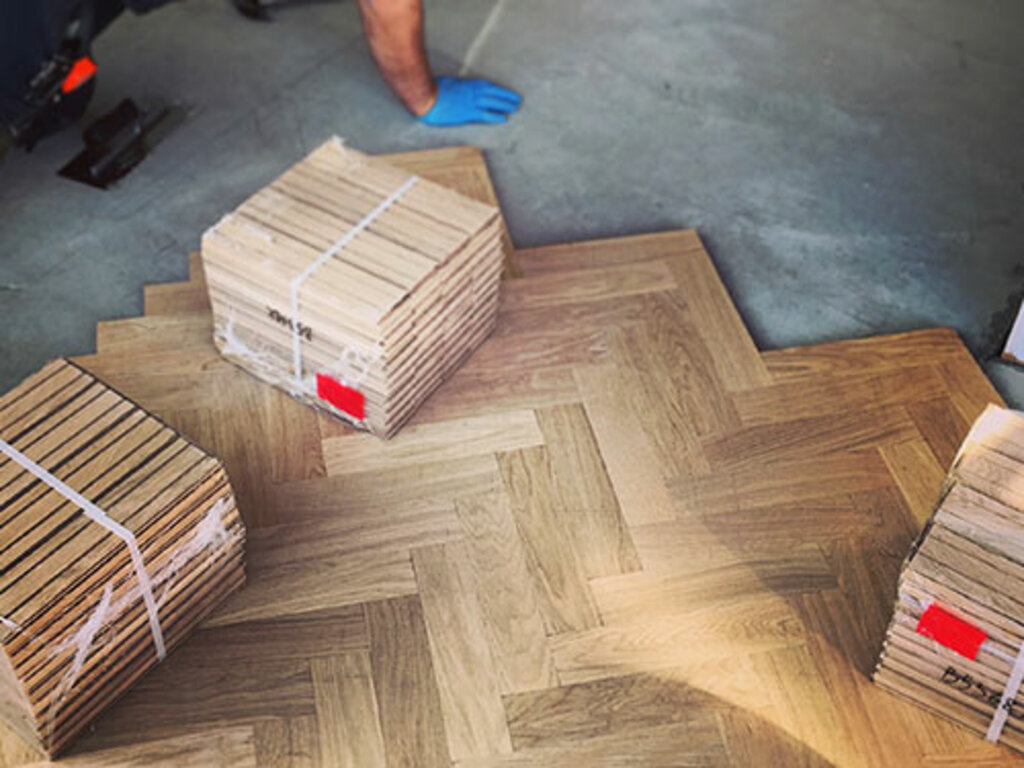 Parquet flooring is known for its timeless beauty, intricate patterns, and luxurious appeal. Whether it’s a classic herringbone or a bold chevron design, parquet can transform any room into a showpiece. But despite its elegance, parquet is also one of the most unforgiving flooring types when it comes to installation.
Even a small mistake during installation can lead to serious issues, from gaps and lifting blocks to noisy or unstable floors. That’s why it’s essential to understand the most common parquet installation errors and how to avoid them. In this guide, we’ll walk you through the pitfalls that cause parquet floors to fail—and how to make sure your new floor lasts for decades.
Mistake 1: Failing to Acclimate the Wood
Parquet flooring is made from natural wood, which means it reacts to changes in temperature and humidity. One of the most common—and costly—installation mistakes is skipping the acclimatisation process. If the parquet blocks aren’t given time to adjust to the room’s environment, they may expand or contract after installation, leading to unsightly gaps, warping, or lifting.
To prevent this, the parquet blocks should be stored in the room where they’ll be installed for at least 5 to 7 days before fitting. Keep the packs unopened or loosely stacked with spacers, and ensure the room maintains a stable temperature (ideally between 18–22°C) and humidity (around 45–65%).
This simple step helps the wood settle before it’s fixed in place, avoiding major problems down the line.
Mistake 2: Installing on an Uneven or Damp Subfloor
Parquet flooring requires a perfectly flat, stable, and dry subfloor to ensure long-term performance. Fitting parquet over an uneven or damp surface is a major cause of failure, often leading to hollow-sounding areas, lifting blocks, and even mould growth beneath the floor.
Before installation, the subfloor must be thoroughly inspected and prepared. For concrete bases, a moisture test should always be performed. If moisture levels are too high, a damp-proof membrane (DPM) is essential. On uneven surfaces, self-levelling compounds can be used to create a smooth, flat foundation.
Skipping proper subfloor preparation is a shortcut that almost always ends in disappointment. The time you spend here will directly affect the life of your parquet floor.
Mistake 3: Using the Wrong Adhesive or Method
Parquet flooring must be bonded securely to the subfloor, and this means using the correct adhesive and application method. Choosing the wrong type of glue—or applying it incorrectly—can lead to blocks lifting, shifting, or developing hollow spots.
Parquet should always be fitted using a strong, flexible wood flooring adhesive that allows for slight natural movement. Rigid glues or standard tile adhesives are not suitable. The adhesive must also be applied using a notched trowel to ensure even coverage across the floor.
Common mistakes include:
- Using too little glue or missing spots
- Applying the adhesive too far ahead, causing it to skin over
- Failing to press blocks firmly into place
Following the manufacturer’s guidelines and using a professional-grade adhesive is essential for a secure, lasting parquet installation.
Mistake 4: Poor Pattern Planning
Parquet flooring is all about precision and pattern. Designs like herringbone, chevron, and basketweave require careful planning to look balanced and symmetrical across the room. Rushing into installation without proper layout planning often results in misaligned patterns, awkward cuts, or wasted materials.
One of the most common errors is failing to start the pattern from the right point. Most parquet designs should be centred in the room or aligned with a key visual element like a fireplace or main entrance. Without a clear layout, you may end up with uneven rows or mismatched joints.
Always do a dry lay first—laying out a few rows without adhesive to check alignment and spacing. This step helps you confirm your measurements, make adjustments early, and avoid costly mistakes once the glue goes down.
Mistake 5: Rushing the Sanding and Finishing
If you're installing unfinished parquet flooring, sanding and finishing are critical steps that determine both the look and longevity of your floor. Rushing this stage or using the wrong technique can permanently damage the surface or result in an uneven, patchy finish.
Common mistakes include:
- Skipping grit levels or using the wrong sanding sequence
- Leaving sanding marks or swirl patterns
- Uneven sanding along the edges or between blocks
- Applying too much or too little finish, or choosing an unsuitable sealant
Parquet requires careful sanding, especially because the wood blocks are laid in different directions, exposing the grain at multiple angles. After sanding, the right finish (such as hardwax oil or polyurethane lacquer) should be applied evenly and allowed to dry under the correct conditions.
Taking the time to do this step properly will protect your parquet floor and bring out the full beauty of the pattern.
How to Ensure a Long-Lasting Parquet Floor
Parquet flooring may be intricate, but when installed correctly, it can last for decades and add real character to your home. Avoiding mistakes is only half the story—taking the right steps from the beginning is what truly ensures success.
Here’s how to get it right:
- Hire experienced parquet installers: Parquet is not a typical DIY project. Professionals understand the pattern alignment, subfloor preparation, and finishing techniques required.
- Invest in quality materials: Choose trusted brands for adhesives, finishes, and the parquet blocks themselves. Saving on materials often results in higher long-term costs.
- Prepare your environment: Ensure proper temperature, humidity, and subfloor condition before and during installation.
- Stick to manufacturer guidelines: Follow product-specific advice for everything from glue type to drying times.
By planning carefully and working with the right team, you’ll avoid common pitfalls and enjoy a parquet floor that stays stable and stunning for years to come.
Conclusion
Parquet flooring is a statement of timeless design and craftsmanship—but only when it’s installed with the care it deserves. From poor subfloor preparation to rushed finishing, the most common mistakes can easily turn a dream floor into a costly repair.
Whether you're planning a classic herringbone layout or something more modern, taking the time to avoid these critical errors is key to long-term satisfaction. When in doubt, always consult professionals or get expert advice before starting your project. For best results, consider our professional parquet floor installation service.
Want to ensure your parquet floor is installed the right way? Get in touch with our team or browse our premium parquet flooring options for expert-recommended solutions that last.